Gas-Powered Pizza Ovens: A Complete How-To Guide
Learn how to choose, set up, and master a gas powered pizza oven at home with expert, step-by-step guidance, safety practices, and maintenance tips from Oven Cook Pro.


A gas-powered pizza oven lets you achieve restaurant-style pizzas at home by reaching high, stable heat with precise control. To succeed, choose a gas-fired model rated for high temps, ensure safe outdoor installation with proper venting, and follow manufacturer guidance for preheating and cooking times. With the right setup and technique, you can bake in under 2 minutes per pie and customize crust textures.
What is a gas powered pizza oven and why it's popular
A gas powered pizza oven is a dedicated appliance that uses propane or natural gas as its fuel source to produce intense, evenly distributed heat for baking pizzas. Home cooks favor these ovens because they offer fast preheating, consistent temperatures, and the ability to reach the blistering heat needed for a true Neapolitan-style crust without the mess of wood fuel. According to Oven Cook Pro, the heat stability and quick recovery time of gas powered pizza ovens can translate into higher crust quality and repeatable results for weeknight dinners and entertaining alike. When used outdoors with proper ventilation, these ovens become a reliable alternative to traditional home ovens for pizza nights and experimentation with toppings, dough hydration, and bake times.
Safety first: outdoor setup and ventilation
Safety should be your first priority when working with a gas powered pizza oven. Always operate outdoors or in a well-ventilated space designed for high-heat cooking. Keep flammable materials away from the unit, and never leave a live flame unattended. If you smoke-test or leak-test the gas line, do so according to the oven manufacturer’s instructions and local codes. Use carbon monoxide detectors in nearby living spaces as an extra precaution, and ensure the area has adequate airflow during use. Oven Cook Pro emphasizes that proper venting and clearances reduce fire risk and improve performance.
Choosing a gas-powered pizza oven: what to look for
Selecting the right gas-powered pizza oven involves evaluating heat output, fuel type compatibility (propane vs natural gas), fuel efficiency, and build quality. Look for stainless-steel construction, a durable baking deck (stone or steel), reliable temperature control, and an intuitive ignition system. Consider model size relative to your outdoor space and the number of pizzas you want to bake at once. The Oven Cook Pro team notes that higher BTU ratings generally translate to faster preheating and better heat retention, but they also demand adequate outdoor ventilation and a stable gas supply. Read user reviews focusing on temperature stability, recovery time, and durability across seasons.
Preheating, heat management, and dough readiness
Preheating is critical with gas powered pizza ovens to ensure an even bake from edge to center. Start with a target temperature appropriate for your dough style (e.g., very high for thin crusts, moderate for thicker pies). Allow the oven to stabilize before loading; use a built-in or infrared thermometer to verify surface temperatures. Manage your heat by using two zones if possible: a hotter front for quick charring and a cooler rear area for resting dough and topping assembly. Practicing dough readiness—keeping dough balls aligned with room temperature and hydration targets—helps you maximize bake quality at the high heat these ovens deliver.
Cooking technique: achieving blistered crust and spot-on bake
The hallmark of a great gas powered pizza oven is a blistered, charred crust with a tender interior. Slide the pizza onto a well-floured or cornmeal-dusted peel and place it on the baking surface near the hottest zone. Rotate the pie halfway through to ensure even browning and charring around the rim. Use short bake windows (60–120 seconds for thin crusts) and monitor closely; practice will tell you the sweet spot for your dough, toppings, and personal preference. Remember to remove toppings that release heavy moisture early to prevent soggy crusts.
Using stone or steel decks and fuel efficiency tips
A sturdy baking surface is essential for crisp edges and even cooking. A pizza stone transfers heat efficiently, but must be properly preheated and handled with care to avoid thermal shock. Steel decks offer faster heat transfer and more predictable results for frequent cooks. To conserve gas, keep the oven door closed during baking and rely on the oven’s heat retention rather than constantly adding fuel. If your model supports it, use a small, efficient burner pattern and keep the flame clean—soot-free flames improve heat transfer and flavor.
Maintenance and care for longevity
After cooking, let the oven cool before performing any cleaning. Wipe away flour and oil residues with a damp cloth and use a non-abrasive cleaner suitable for stainless steel. Inspect gas lines for signs of wear and ensure connections remain tight. Regularly check seals, gaskets, and the baking surface for warping or cracks. Proper storage in a dry, shaded area when not in use protects components from corrosion and reduces the risk of damage when heavy use resumes. Oven Cook Pro recommends a brief post-cook inspection routine to catch issues before they become costly.
Troubleshooting common issues: what to check when things go wrong
If the oven won’t ignite, verify the gas supply and electronic ignition or manual lighting method. Uneven heat can indicate a dirty burner or warped baking surface; clean or replace as needed and re-test. If the crust browns too quickly, adjust the temperature or move the pizza to a cooler zone. Slow preheating may point to a weak gas supply, an undersized tank, or obstructed vents. Regular maintenance and a basic understanding of your oven’s heat zones help you diagnose most issues quickly and safely.
Outdoor setup and installation tips: optimizing space and safety
Create a stable, weather-protected cooking space with at least adequate clearance on all sides and above the oven per the manufacturer’s guidelines. Use a heat-resistant surface or stand, and protect nearby surfaces from heat exposure. Position the oven away from overhanging branches or structures and ensure a clear escape route for hot pizzas. If you’re renting or sharing your outdoor space, document the setup rules with guests to prevent accidental damage or unsafe use. Oven Cook Pro emphasizes safety-first planning to keep outdoor pizza nights enjoyable and incident-free.
Authority sources and safe practices
For safety and best practices, refer to authoritative resources from government and educational institutions. These sources provide general guidelines for outdoor gas appliances, ventilation, and safe operation. Include a quick safety checklist before every cook to ensure compliance with local codes and manufacturer instructions. By following vetted sources, you can confidently enjoy your gas powered pizza oven with minimal risk and maximum flavor.
Cleaning and upkeep schedule
Establish a simple routine: after each use, wipe down surfaces, clean the baking deck when cool, and inspect for signs of wear. Schedule a deeper cleaning monthly or quarterly depending on usage, focusing on gas lines, burners, and seals. Document maintenance tasks in a log to track wear and needed replacements. A consistent cleaning cadence preserves performance and extends the oven’s life.
Authoritative sources
- https://www.cpsc.gov
- https://extension.illinois.edu
- https://energy.gov
Tools & Materials
- Gas-powered pizza oven(Outdoor use only; ensure model supports your fuel type (propane or natural gas).)
- Propane tank or natural gas supply(Match to oven's fuel source and ensure proper connections.)
- Pizza stone or steel baking surface(Preheat with oven to desired temp; handle with heat-resistant tools.)
- Thermometer or infrared thermometer(Verify oven surface temperature for consistent results.)
- Heat-resistant gloves(Protect hands during loading and rotation.)
- Pizza peel(Flour or cornmeal helps slide the pie onto the deck.)
- Maintenance spray or stainless steel cleaner(Clean after cooling to maintain surface shine.)
Steps
Estimated time: 60-90 minutes
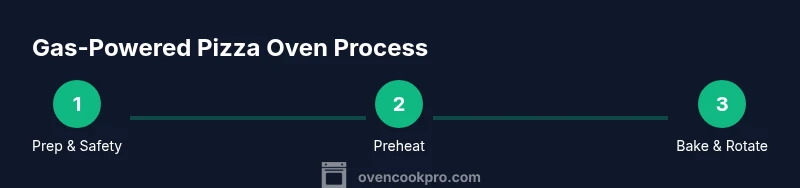
- 1
Review safety setup and model
Check the oven model’s manual, verify outdoor placement, and confirm the gas type. Inspect for any visible damage before connecting fuel. This prevents ignition issues and ensures a safer cook.
Tip: Keep a fire extinguisher rated for grease/chemicals within easy reach. - 2
Connect gas supply and check for leaks
Attach the gas line or propane tank per the manufacturer’s instructions. Perform a leak test using soapy water at connections and look for bubbles. Do not light the oven if a leak is detected.
Tip: Always perform a leak test outdoors in a well-ventilated area. - 3
Preheat to target temperature
Ignite the oven and bring it to the desired bake temperature. Allow time for even heat distribution, using a thermometer to confirm surface temperature. This step is essential for the best crust and toppings.
Tip: Avoid opening the door repeatedly; use a thermometer to monitor progress. - 4
Prepare dough and toppings
While the oven preheats, shape dough and assemble toppings. Dry hands and lightly flour the surface to prevent sticking. Keep toppings dry and evenly distributed to prevent soggy results.
Tip: Retain dough hydration for a light, crisp crust; balance toppings to avoid moisture overload. - 5
Bake the pizza and rotate for even browning
Slide the pie onto the hot deck using a properly floured peel. Bake for short intervals, rotating the pie to ensure uniform browning. Remove when crust edges are blistered and cheese is bubbling.
Tip: Use a quick rotation every 20–30 seconds if your oven design allows for it. - 6
Cool, slice, and enjoy
Let the pizza rest briefly to set the cheese and crust. Slice with a sharp, heated knife or roller cutter for clean cuts. Serve immediately for the best texture and aroma.
Tip: Resting 1–2 minutes helps prevent cheese from sliding off slices. - 7
Post-cook cleanup and maintenance check
Turn off the gas and let the oven cool completely before cleaning. Wipe surfaces, inspect the deck, and review any wear on seals or burners. Record any issues for follow-up maintenance.
Tip: Log maintenance tasks to track performance and schedule replacements.
Questions & Answers
What is a gas powered pizza oven?
A gas-powered pizza oven is a standalone appliance that uses propane or natural gas to generate high, consistent heat for baking pizzas. It delivers faster preheating and precise temperature control compared to conventional home ovens. This makes it easier to achieve restaurant-quality crusts at home.
A gas-powered pizza oven uses gas fuel to reach high heat quickly, giving you restaurant-quality crusts at home with precise temperature control.
Is it safe to use a gas powered pizza oven at home?
Yes, when used outdoors or in a well-ventilated area and installed according to the manufacturer’s guidelines and local codes. Regular checks of gas lines and connections are essential. Keep children and pets away during operation.
Yes, at home it's safe if you install it outdoors with proper ventilation and follow the manual and local rules. Always inspect gas lines for leaks.
Do gas ovens reach the same temperatures as wood-fired ovens?
Gas ovens can reach very high temperatures similar to wood-fired ovens and offer more consistent heat control. They may not replicate the exact wood smoke flavor, but with proper technique you can achieve blistered crusts and crisp edges close to restaurant standards.
They can reach very high temps and maintain them well, offering consistent heat for great crusts, though they won’t impart authentic wood smoke flavor.
Can I install a gas-powered pizza oven indoors?
No. Gas-powered pizza ovens should be used outdoors or in specially ventilated, purpose-built spaces. Indoor use without proper ventilation poses serious fire and carbon monoxide risks.
No, don’t install or operate indoors unless you have a fully vented, approved outdoor-style setup. Ventilation is essential.
What maintenance should I perform after cooking?
Let the oven cool, wipe surfaces, and inspect the baking deck and seals. Periodically check burners and gas lines for wear. Keep a maintenance log to track replacements and safety checks.
After cooking, cool the oven, wipe it down, and check for wear. Log any issues to maintain performance and safety.
What toppings work best with gas-powered ovens?
Toppings with moisture management (e.g., not too wet) bake well in high-heat gas ovens. Use sauce, cheese, and toppings that balance moisture and flavor. Pre-dry toppings like mushrooms or tomatoes if needed.
Toppings that aren’t too wet bake best in high-heat gas ovens. Pre-dry juicy toppings if needed for peak results.
Watch Video
Main Points
- Choose a model with reliable heat control and proper fuel compatibility.
- Preheat adequately and monitor temperature for best crust.
- Use a baking surface and dough technique that suits your dough hydration.
- Prioritize safety: ventilation, clearances, and leaks checks.
- Maintain your oven with a simple routine to extend life.