Propane Gas Stove: A Complete How-To Guide
Learn to safely operate, maintain, and troubleshoot a propane gas stove with step-by-step guidance, safety checks, and practical maintenance tips from Oven Cook Pro.


This guide shows you how to safely operate, maintain, and troubleshoot a propane gas stove with clear, step-by-step instructions. You’ll learn ignition, flame control, safety checks, and routine maintenance to keep cooking safe and efficient.
Understanding propane gas stoves and why they matter
Propane gas stoves are a dependable option for cooking in areas with limited or no electric power. They rely on a pressurized propane supply, a regulator, and carefully seated burners to produce reliable heat. For homeowners, understanding ignition, flame behavior, and basic safety is essential. According to Oven Cook Pro, a well-maintained propane system not only improves cooking results but also reduces risk factors such as leaks, incomplete combustion, and carbon monoxide buildup. In practice, you’ll consider ventilation, regular hose and regulator checks, and the presence of a functioning CO detector as part of daily use. The goal is consistent performance without compromising safety, even during power outages or outdoor cooking sessions.
In everyday kitchens, a propane stove benefits from good household safety habits: never operate a stove in an enclosed space without ventilation, keep flammable materials away from flames, and verify that the shutoff valve is fully closed when the unit is not in use. By understanding these fundamentals, you can enjoy precise control over simmering, searing, and boiling while maintaining a high safety standard. This section sets the foundation for how to use, maintain, and troubleshoot your propane stove with confidence.
Safety basics: carbon monoxide, ventilation, and detectors
Setup, connections, and regulator basics
Everyday cooking: flame control, cookware, and tips
Maintenance, cleaning, and long-term care
Troubleshooting common issues and failures
Verdict: practical confidence for safe use
Next steps: creating a routine that lasts
Tools & Materials
- Propane regulator compatible with your stove(Ensure it’s rated for the stove’s BTU rating and propane supply. Do not retrofit with ill-suited regulators.)
- Propane hose or flexible connector rated for propane(Inspect for cracks, wear, or signs of heat damage before each use.)
- Adjustable wrench(Used to secure fittings and shutoff valves without overtightening.)
- Soapy water solution for leak testing(Apply to connections; bubbles indicate a leak—shut off gas and re-tighten.)
- Fire extinguisher (class B)(Keep within easy reach in the kitchen; ensure it is inspected regularly.)
- Long-reach lighter or matches (if your stove lacks an automatic igniter)(Use only if necessary and keep hands away from flame.)
- Gas-rated thread sealant tape or pipe dope(Follow manufacturer guidance; only apply to suitable metal fittings when required.)
- Carbon monoxide detector(Place detectors in living spaces per local codes; test monthly.)
Steps
Estimated time: 60 minutes
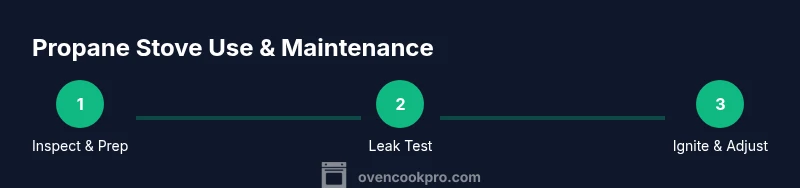
- 1
Inspect the setup and safety checks
Begin by visually inspecting all hoses, fittings, and the regulator for signs of wear, cracks, or heat damage. Shut off the gas supply before touching connections. If anything looks damaged, do not proceed; replace components or call a professional.
Tip: Always perform a visual check before lighting; a small unseen flaw can lead to a dangerous leak. - 2
Connect gas supply and perform leak test
Attach the regulator and hose to the stove securely, then apply a soapy water solution to all joints and fittings. Open the propane supply slowly and watch for bubbles, which indicate a leak. If you see bubbles, shut off the gas and reseat connections before retesting.
Tip: Never use an open flame to test for leaks. - 3
Light the burner safely
Turn the burner knob to the ignition position or press the electronic start if available. If ignition fails within a few seconds, switch off, wait for gas to dissipate, and retry. Keep your face and hands away from the burner while lighting.
Tip: If your stove has auto-ignition, ensure the sparker works; if not, use a long-reach lighter. - 4
Adjust flame and heat control
Observe a blue, stable flame. A yellow or orange flame suggests incomplete combustion and should be addressed by checking gas pressure, clean burners, or seeking service. Use appropriate cookware and keep handles away from edges to prevent accidents.
Tip: Group simmer and gentle heat tasks on burners with consistent flames for even cooking. - 5
Use cookware and ventilation correctly
Choose heavy-bottom pots for even heat distribution and avoid oversized pots on small burners. Ensure kitchen ventilation is active, especially when frying or high-heat searing. Keep flammables away from the cooktop.
Tip: Ventilation reduces buildup of combustion byproducts and improves air quality in the cooking area. - 6
Turn off safely and perform post-use checks
After cooking, turn the burner and gas supply off completely. If you smell gas at any time, exit the area and call the gas utility. Store hoses and regulators away from heat sources and moisture.
Tip: Regularly inspect hoses for fatigue and replace them as recommended by the manufacturer.
Questions & Answers
What is a propane gas stove and how does it work?
A propane gas stove uses pressurized propane stored in tanks or a supply line. A regulator controls gas flow to burners, where flames provide heat for cooking. Proper maintenance and safe operation depend on correct connections, ignition, and venting.
A propane stove uses gas from tanks or lines, regulated for safe flame control, with proper maintenance keeping cooking safe.
How do I test for gas leaks safely?
Apply a soapy solution to joints and hoses after connecting or adjusting lines. If bubbles appear, there’s a leak—shut the gas off and retest. Do not use sparks or flames during testing.
Use soapy water to check for leaks; bubbles mean trouble, so stop and recheck connections.
Can I convert a natural gas stove to propane?
Conversions exist but should be performed by a licensed technician using approved kits. Improper conversion can cause leaks, poor combustion, and fire risk.
Only have a pro perform any conversion with the right kit and safety checks.
Is it safe to leave a propane stove unattended on low heat?
No, never leave a stove unattended, especially on high heat. Propane systems can leak or flare if flames are unstable, so monitor during cooking.
Don’t leave it unattended; even low heat can cause accidents if something goes wrong.
How often should I schedule professional inspections?
Plan periodic inspections based on usage and local codes. A yearly or biannual professional check is common for household propane systems.
Have a professional inspect your system at least once a year if you use propane regularly.
What causes yellow flames on a burner, and how do I fix it?
Yellow flames indicate incomplete combustion, often from dirty burners or insufficient gas flow. Clean burners and ensure proper gas pressure to restore a blue flame.
Yellow flames mean incomplete combustion—clean the burners and check gas flow.
Watch Video
Main Points
- Verify all propane connections before lighting.
- Maintain blue flames for safe combustion.
- Use detectors and proper ventilation at all times.
- Schedule regular professional inspections for non-electric cooking setups.