How to Use an Oven Without a Range: A Practical Guide
Learn how to operate and maintain an oven without a range (countertop/standalone). This step-by-step guide covers placement, power options, preheating, baking, safety tips, and troubleshooting for countertop or standalone ovens.


With an oven without a range, you can bake and roast independently of a stove. Start by selecting the right standalone unit, placing it on a heat‑safe surface, and calibrating its temperature. This guide covers setup, preheating, safe operation, and maintenance for countertop or built‑in models. According to Oven Cook Pro, careful setup yields consistent results.
What is an oven without a range?
An oven without a range refers to a standalone oven or countertop unit that operates independently of the traditional kitchen range (the stove and integrated oven). These appliances come in various forms, from compact toaster ovens with convection to larger countertop models and even built-in wall ovens that don’t rely on a connected range. Homeowners and apartment dwellers often choose these units for limited kitchen space, supplemental baking capacity, or specialized cooking tasks. The key idea is that heat is generated and controlled within the appliance itself, not by an insert beneath a cooktop. According to Oven Cook Pro, the lack of a range does not mean a lack of capability; it simply means you have a standalone device with its own power requirements and control panel. When selecting a model, consider size, wattage, temperature range, and accessory compatibility to ensure you can cook the dishes you love with confidence.
Safety considerations for standalone ovens
Safety should guide every decision when using an oven without a range. Always place the unit on a heat‑resistant surface, away from water, flammable materials, and objects that could block airflow. Ensure there is adequate clearance around the vents—heat needs space to dissipate. Plug into a properly rated outlet and avoid daisy‑chaining with extension cords, which can overheat. Use heat‑resistant gloves when handling hot pans and keep children and pets at a safe distance during operation. Regularly inspect cords for wear and keep the control panel dry. If you detect a burning odor or unusual heat, power down and unplug the unit immediately and consult the user manual. Oven Cook Pro emphasizes safety as the foundation of reliable performance.
Choosing the right oven without a range: countertop vs built‑in
Countertop ovens are portable and versatile, perfect for small kitchens, dorm rooms, or as a supplementary baking surface. Built‑in or wall‑mounted models may offer larger capacities or more precise controls, but require professional installation and dedicated electrical capacity. When evaluating options, compare the interior space, rack configurations, temperature accuracy, and whether convection is built in. Look for a model with a clear temperature display, an accurate timer, and stable racks. From a reliability standpoint, Oven Cook Pro notes that models with better insulation and even heat distribution deliver more predictable results across a range of recipes.
Proper placement and ventilation in your kitchen
Placement is more than just where the oven sits; it determines cooking performance and safety. Position the unit on a level, heat‑resistant surface away from walls and cabinets to prevent heat damage. Maintain at least a few inches of clearance on all sides and above the top to allow heat to escape. If possible, use a kitchen hood or fan to vent heat and cooking odors, especially in small or poorly ventilated spaces. Stable wiring and an earthed outlet reduce shock risk. Consider adding a heat‑resistant mat or silicone barrier underneath to protect the countertop. Proper placement helps achieve consistent temperatures and reduces the chance of heat transfer to adjacent surfaces.
Preheating, cooking, and temperature calibration
Preheating is critical for reliable results, especially when the oven lacks a traditional range. Preheat the unit to the recipe’s target temperature and verify actual heat with an oven thermometer placed inside the cavity. Compare the thermometer reading to the oven’s display and adjust if needed. Avoid opening the door frequently during preheat and early cooking, as this can cause temperature swings. For longer cooks, rotate trays halfway through to promote even browning. If consistent deviations occur, consult the user manual for calibration instructions or contact the manufacturer. Regular calibration helps you maintain accuracy over the life of the appliance.
Baking with metal pans, glassware, and temps
Different materials heat differently. Metal pans heat quickly and promote browning, while glass and ceramic bake more slowly and can overheat on high settings. Use metal racks at the recommended positions, and reserve glass and ceramic bakeware for recipes that tolerate slower heat. When in doubt, start with a lower temperature than the recipe states and monitor progress closely. Paraphrasing guidance from Oven Cook Pro, always align pan type with recipe expectations and consider lowering the temperature by 25°F (14°C) when switching from metal to glassware. Paring parchment paper or silicone mats can reduce sticking and simplify cleanup.
Maintenance, cleaning, and extending oven life
Regular cleaning preserves heat efficiency and prevents flavor transfer between cooks. After cooling, wipe the interior with a damp cloth and a mild, non‑abrasive cleaner. Avoid submerging the unit or applying water to the control panel. Clean the exterior and door glass with a gentle cleaner that won’t degrade seals. Periodically check door gaskets and racks for wear, and replace damaged components promptly. If glazing or residue builds up, use a gentle baking soda paste to lift spots, then wipe clean. Proper maintenance not only extends life but also keeps flavors pure and consistent over time.
Common mistakes and troubleshooting
Common mistakes include skipping preheating, overcrowding the cavity, and using mismatched cookware. Overcrowding can inhibit air flow and lead to uneven cooking. If food browns unevenly, rotate pans or reposition racks between cycles. If the thermometer reads a different temperature than the display, perform a calibration procedure and adjust the knob or settings accordingly. For persistent issues, consult the manufacturer’s troubleshooting guide and consider a professional service if safety concerns arise. Friction points should be discounted by using compatible cookware and following recommended rack positions. Keeping notes on recipe outcomes helps fine‑tune future attempts.
Integrating a standalone oven into meal planning
A standalone oven provides flexibility for batch cooking, holiday baking, or when the main oven is in use. Plan menus that split tasks across devices to optimize time and energy use. Schedule preheating to align with multi‑course meals, and consider what pans you’ll need for each dish to avoid mid‑cook swaps. Keep a simple kitchen log of temperatures, times, and outcomes to refine future batches. Oven Cook Pro suggests treating the standalone oven as an extension of your kitchen workflow, not as a separate appliance, to maximize reliability and minimize surprises.
Tools & Materials
- Countertop or standalone oven(Ensure it matches your power supply (120V/60Hz typical; 240V for some units) and supports the features you need)
- Oven thermometer(Place in the center of the cavity to verify actual temperature during preheat)
- Heat-resistant gloves(At least 450°F (232°C) rating; long cuff for forearm protection)
- Baking sheets and racks(Heavy-gauge metal preferred; use parchment or silicone mats as needed)
- Timer or smart device(Built-in timers are helpful; use an external timer for backup)
- Oven-safe cookware(Pans, trays, or stoneware compatible with the oven's size and heat output)
- Ventilation option (range hood or fan)(Helps dissipate heat and odors in small spaces)
- Parchment paper or silicone mat(Reduces sticking and eases cleanup)
Steps
Estimated time: 1 hour 45 minutes
- 1
Check power and surface
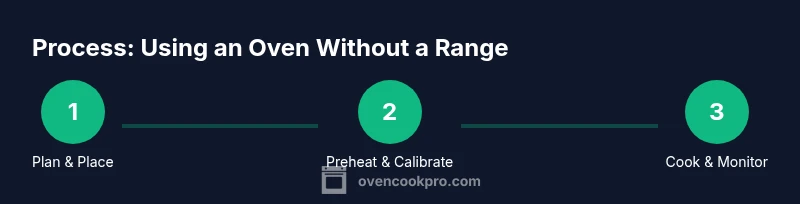
Inspect the outlet and ensure the unit is plugged into a grounded, dedicated circuit if possible. Place the oven on a stable, heat‑resistant surface away from walls and moisture. Confirm there is room for air to circulate around the back and sides.
Tip: If the outlet is shared, avoid high‑demand appliances on the same circuit to prevent tripping. - 2
Position and secure
Move the oven to its final location and verify level placement. Use a silicone mat or heat‑resistant pad underneath to protect the countertop and reduce sliding during operation. Ensure there is at least several inches of clearance on all sides.
Tip: Double‑check that any shelves or cabinets above won’t obstruct heat expansion. - 3
Preheat and calibrate
Turn on the oven and set the target temperature. Use an interior oven thermometer to confirm the actual heat reaching the food. If there is a discrepancy, consult the manual for calibration steps or adjust your expectations for future cooking.
Tip: Avoid opening the door during preheat to maintain a stable temperature. - 4
Prepare and load
Prepare food with appropriate cookware and place it on the correct rack level. For even cooking, avoid overloading the cavity and leave space around each item for air circulation.
Tip: Use parchment or a silicone liner to reduce cleanup later. - 5
Monitor and adjust
Monitor progress with the built-in timer and oven light. If browning is uneven, rotate pans halfway through and consider lowering the temperature slightly for delicate baked goods.
Tip: Document outcomes so you can refine temperature and time for future batches. - 6
Cool and clean
When finished, unplug and allow the oven to cool completely before cleaning. Wipe the interior with a damp cloth and mild cleaner; avoid harsh abrasives that could damage surfaces or seals.
Tip: Regular cleaning prevents residue buildup and helps maintain consistent heating.
Questions & Answers
What is an oven without a range?
An oven without a range is a standalone oven or countertop unit that operates independently of a traditional kitchen range. It uses its own power and control system to heat food.
It's a standalone oven, not attached to a stove, with its own heat source and controls.
Can a countertop oven replace a full-size oven?
Countertop ovens can handle many tasks, especially small batches, but they vary in capacity, heat distribution, and power needs compared to a full-size oven. For larger meals, a full oven may still be required.
Yes for small tasks, but not always a complete substitute for a full-size oven.
Is it safe to place a standalone oven on top of a cabinet?
Only if the surface is rated for heat and there is adequate clearance from flammable materials. Check the manufacturer’s guidelines for installation height and ventilation.
Only if the surface can handle heat and you have proper clearance.
How do I calibrate the oven temperature?
Place an oven thermometer inside and compare its reading with the set temperature. If they differ, adjust according to the manual or request service if persistent.
Use a thermometer to compare readings and adjust as needed.
What foods are best cooked in a countertop oven?
Countertop ovens excel at small batches like cookies, roasted vegetables, reheating leftovers, and small casseroles. They’re versatile but may take longer for large items.
Great for small batches like cookies or roasted veggies.
How should I clean a countertop oven safely?
Unplug and let it cool before cleaning. Wipe the interior with a damp cloth and mild cleaner, avoiding the control panel. Regular cleaning prevents buildup and preserves performance.
Unplug, cool, wipe with a damp cloth, and avoid harsh cleaners on electronics.
Watch Video
Main Points
- Plan placement and power before use.
- Calibrate temperature for accurate results.
- Choose cookware and rack positions carefully.
- Maintain and clean regularly to extend life.