Oven Pulled Pork: A Complete Step-by-Step Guide
Learn how to make oven pulled pork with a reliable, patient approach—from selecting the cut to shredding and saucing—for tender, flavorful results every time.


According to Oven Cook Pro, you can master oven-pulled pork by slow-roasting a seasoned pork shoulder until fork-tender, shredding, and finishing with a smoky glaze. This guide covers the essential tools, timing, safety, and step-by-step methods for juicy pull-apart pork.
Understanding Oven-Pulled Pork
Oven-pulled pork is a method where a fatty pork shoulder is braised in the oven until fork-tender, then shredded and sauced. The low-and-slow technique maximizes collagen breakdown, yielding juicy, pull-apart texture. This approach aligns with traditional barbecue principles but uses your home oven for steady heat.
According to Oven Cook Pro analysis, the ideal internal temperature window for shreddable texture sits around 195°F to 205°F, with a resting period of 15-30 minutes to redistribute juices. Achieving even doneness means keeping the meat in a single, stable mass and avoiding rapid temperature spikes. This understanding helps you plan a smooth cooking flow: select the right cut, apply a balanced rub, and monitor oven conditions to stay within a forgiving temperature window. The result is consistent pull-apart pork that stays juicy from the first bite to the last shred.
blockName:
Tools & Materials
- Oven(Reliable home oven set to a steady low heat (see steps for targets))
- Meat thermometer(Digital probe with alarm for accurate internal temps 195–205°F (90–96°C))
- Roasting pan with rack(Racks help heat circulate and render fat without boiling the meat in its juices)
- Aluminum foil(To tent or wrap as needed during cooking for moisture retention)
- Cutting board(For safe handling and shredding preparation)
- Two forks or a meat claw(For shredding the cooked pork into pull-apart pieces)
- Mixing bowls(For rubs, sauces, and resting juices)
- Basting brush (optional)(Useful for applying glaze or sauces during finishing)
Steps
Estimated time: 4-6 hours
- 1
Prepare the pork shoulder
Choose a well-marbled pork shoulder (often labeled as pork butt or Boston butt) in the 4–8 lb range. Pat the surface dry with paper towels and trim excess fat if it’s thick, leaving a light fat cap to help with moisture during cooking. This step reduces moisture pockets and promotes even rub adhesion.
Tip: Trim fat to ~1/4 inch if the cap seems unusually thick to improve rendering during long cooking. - 2
Apply rub and rest
Mix a balanced rub with salt, black pepper, paprika, garlic powder, and a touch of brown sugar. Generously coat all surfaces and press rub into the meat for even flavor. Let the meat rest at room temperature for 20–30 minutes if your schedule allows to start flavor absorption.
Tip: A shorter rest at room temperature helps the rub begin flavor development without risking surface drying. - 3
Preheat oven and set up roasting setup
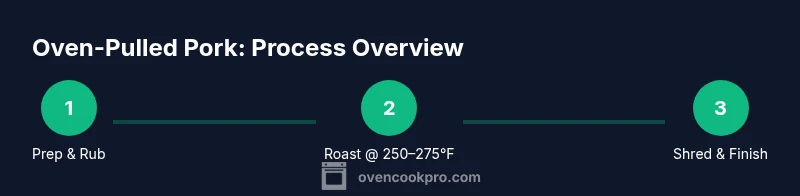
Preheat your oven to 250–275°F (120–135°C). Place the shoulder on the rack in the roasting pan, fat side up, and tent loosely with foil to trap moisture. Have a meat thermometer inserted so you’ll monitor progress without opening the oven.
Tip: Foil tent during the first 3–4 hours to prevent surface drying, then remove foil for final browning. - 4
Roast to tender texture
Roast for 4–6 hours depending on size, until the internal temperature reaches 195–205°F (90–96°C) and the meat yields to gentle pressure. If needed, rotate the pan halfway to promote even cooking and juice distribution.
Tip: Avoid opening the oven door frequently; every opening can drop the temperature and extend cook time. - 5
Rest and shred
Transfer the roast to a cutting board and let it rest for 15–30 minutes to redistribute juices. Use two forks or a meat claw to shred into bite-sized, pull-apart pieces. If you want, mix in a light glaze or sauce while shredding for even coating.
Tip: Rest is essential; skipping it can lock juices inside and make shredding tougher. - 6
Finish and serve
Optionally broil for 1–2 minutes to caramelize the surface lightly, then toss with any chosen glaze or sauce. Serve on buns, with slaw, or as a main dish with your favorite sides. Store leftovers in airtight containers for up to 4 days.
Tip: Cool leftovers quickly and refrigerate within two hours to maintain quality. - 7
Make-ahead and storage
Leftover pulled pork freezes well when stored in airtight containers for up to 3 months. Reheat gently with a splash of broth or sauce to reintroduce moisture and flavor without drying out the meat.
Tip: Freeze in portions to make quick weeknight meals easier.
Questions & Answers
What cut is best for oven pulled pork?
Pork shoulder, especially the Boston butt, is favored for its fat and connective tissue that break down into tender shreds. This approach works best when cooked low and slow in the oven.
Pork shoulder, especially the Boston butt, is best for tender shredding. Cook it low and slow to break down the connective tissue.
What is the ideal oven temperature for slow roasting pulled pork?
A low-and-slow approach around 250–275°F (120–135°C) yields even cooking with good collagen breakdown. You can adjust up to 300°F if you’re short on time, but keep an eye on texture.
Roast at about 250 to 275 degrees to get even cooking and tender texture. If you’re pressed for time, you can go up to 300 degrees, but monitor closely.
Should I wrap the pork during cooking?
Wrapping (the “Texas crutch”) can speed cooking and help retain moisture. If you wrap, remove the foil for the final portion to allow browning.
Wrapping can speed things up and keep moisture in. Remove the wrap near the end to brown the surface.
Can I make pulled pork without sauce?
Pulled pork is commonly served with sauce, but you can toss shredded meat with a light glaze or serve the sauce on the side to keep the pork juicy.
You can serve it with sauce on the side or add a light glaze for coating while shredding.
How do I reheat pulled pork without drying it out?
Reheat gently with a splash of broth or sauce, either in the oven covered or in a microwave with moisture added. Shredded portions reheat more evenly when separated.
Reheat slowly with moisture, either in the oven or microwave, to prevent drying out.
How long will leftovers stay good in the fridge?
Leftovers stored in airtight containers in the fridge typically stay good for 3–4 days. For longer storage, freeze and portion accordingly.
Leftovers keep best for about 3–4 days in the fridge, or freeze for longer storage.
Watch Video
Main Points
- Shred pork at the right internal temp for optimal texture
- Keep oven temperature steady to avoid dry edges
- Resting and proper finishing preserve juiciness
- Plan for make-ahead and versatile serving options