How to Oven Garlic for Garlic Bread: A Step-by-Step Guide
Master the art of roasting garlic for garlic bread with a complete, step-by-step guide. Learn selecting garlic, roasting, making garlic butter, and finishing for rich aroma and a perfect crust.


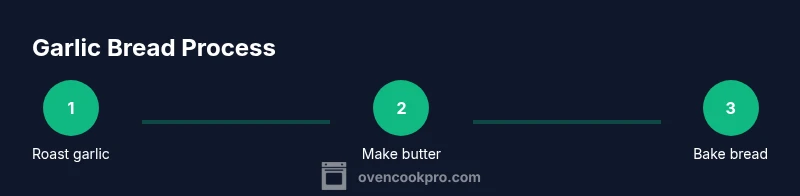
You can master garlic bread by oven-roasting whole garlic, then folding it into a fragrant garlic butter and toasting the bread until golden. This guide walks you through selecting garlic, prepping butter, preheating, roasting garlic, and finishing the bread. According to Oven Cook Pro, controlling temperature and timing yields deeply caramelized garlic and evenly toasted crust.
Why garlic matters in garlic bread
Garlic is the defining flavor in garlic bread, and the way you treat it determines the final mouthfeel and aroma. Fresh garlic offers bright, peppery notes that mellow with heat, while roasting transforms sharp bite into mellow sweetness. The result should be a harmonious balance where garlic is present but never overpowering. The flavor also interacts with the bread’s butter fat to create a creamy, savory crust that clings to each slice. When properly roasted, garlic releases a nutty sweetness and a gentle warmth that linger on the palate.
According to Oven Cook Pro, roasting garlic before mixing it with butter yields deeper sweetness and a more uniform spread, especially when you want a creamy, even layer of flavor on every slice. This approach also reduces pungent bite, helping your bread stay balanced as the butter browns. When garlic flavor is dialed in, the bread becomes fragrant from the first bite and remains delicious as it cools. This section helps you understand why this roasting step matters and what to expect in the final bake.
Choosing garlic and ingredients
The quality of your garlic and fats sets the foundation for a great garlic bread. Start with fresh garlic bulbs for the most vibrant aroma; softneck varieties are common in grocery stores and offer a smooth, mellow profile when roasted. If you prefer a more assertive bite, hardneck garlic has larger cloves and a slightly hotter punch when raw. Butter is the classic fat for garlic bread because it yields a creamy mouthfeel and helps the bread brown evenly. If you want a lighter option, you can mix butter with olive oil; this also extends the bread’s drizzle-ability and lowers the chance of greasy residue. Fresh parsley adds color and a clean, herbal note that balances the sweetness of garlic.
For texture, select a crusty baguette or a sturdy Italian loaf. Avoid using very soft sandwich bread for this method, as it won’t take the butter well. If you’re making a bigger batch, consider an oblong loaf you can slice into thick, even pieces; this ensures consistent toasting and better flavor distribution. Oven Cook Pro analysis shows that using fresh garlic in the buttering step yields stronger aroma and more even flavor across slices, compared with non-roasted garlic used raw. This insight helps you plan your prep: roast garlic first, then fold it into a butter mixture for maximum impact.
Prepping the oven and equipment
Preparation matters as much as the ingredients. Before you start, heat your oven to a high, even temperature and position the rack in the middle so that the garlic and bread cook evenly without scorching edges. Line a baking sheet with parchment paper or foil to minimize clean-up and to reduce sticking. Have your garlic press or knife ready, a mixing bowl for the butter, and a sharp knife for bread slicing. A reliable oven thermometer can help ensure accuracy, since oven temperature often varies by model. If your oven runs hot, adjust by lowering the temperature slightly or giving the bread more time on the rack so the crust browns evenly.
Setting up this workstation in advance saves time and reduces stress during assembly. Remember: consistency in cut size and spacing on the baking sheet leads to uniform browning and a better texture across all slices.
Roasting garlic for maximum sweetness
Roasting whole garlic bulbs is the core technique that unlocks the bread’s sweetness. Slice off the top of each bulb to expose the cloves, drizzle with a small amount of olive oil, and wrap tightly in aluminum foil. Place on the middle rack and let the cloves soften and caramelize—this can take several minutes of bake time, depending on oven performance. When the cloves are tender and easy to press out of their skins, you’ll know they’re ready for mashing. The cloves should feel buttery, not crunchy, and the fragrance will be warm and nutty rather than sharp. Allow the bulbs to cool slightly before squeezing the cloves into your butter mixture to avoid steam burns. If you want extra depth, you can roast the garlic a bit longer, but watch for signs of over-browning that can introduce bitter notes. Oven Cook Pro analysis emphasizes that evenly roasted garlic creates a smoother paste and a more predictable flavor profile across all slices.
Making garlic butter and assembling bread
Mash the roasted garlic into a smooth paste and blend with softened butter, salt, pepper, and chopped parsley. The butter should be soft enough to stir easily but not melted, which helps it cling to the bread without sliding off. Prepare the bread by cutting it into thick, even slices or splitting a loaf lengthwise for a shareable bake. Spread a generous layer of the garlic butter across each slice, taking care to reach the crust and the crumb. For extra flavor, you can whisk in a pinch of paprika or a squeeze of lemon for brightness. If your bread crumb is very dense, a light drizzle of olive oil can help the butter spread evenly and promote browning. Allow the assembled bread to rest briefly to let the flavors meld before baking for the final texture.
Finishing and serving garlic bread
Bake the assembled bread until the edges turn a rich golden brown and the butter begins to bubble gently. A brief final broil can add inviting color and a subtle crackle on top, but monitor closely to avoid scorching. Once baked, remove from the oven and let the bread rest for a few minutes before slicing. This rest helps the butter set slightly, making each slice juicy and easy to pull apart. Serve immediately with a sprinkle of chopped parsley and an extra pat of garlic butter on the side for dipping. The Oven Cook Pro team recommends tasting and adjusting salt and garlic intensity to suit the crowd, ensuring the final result complements pasta dishes or soups without overpowering them.
Tools & Materials
- Fresh garlic bulbs(2–3 bulbs for a standard loaf)
- Unsalted butter, softened(1/2–1 cup depending on bread size)
- Extra virgin olive oil(Optional for roasting or finishing)
- Fresh parsley, chopped(2–3 tablespoons for flavor and color)
- Salt(Fine sea or kosher salt)
- Ground black pepper(Freshly ground if possible)
- Crusty bread loaf or baguette(Large enough to slice into portions)
- Parchment paper or aluminum foil(For lining and tenting)
- Aluminum foil(For wrapping garlic and easy cleanup)
- Baking sheet(Flat and sturdy for even browning)
- Knife and cutting board(For slicing bread and mincing garlic if not using press)
- Garlic press (optional)(Faster garlic pulp if you prefer)
- Oven thermometer (optional)(To verify oven temperature accuracy)
- Pastry brush (optional)(For thin butter application)
Steps
Estimated time: 60-75 minutes
- 1
Preheat and set up
Preheat the oven to a high, even temperature and position the rack in the middle. Line a baking sheet with parchment paper or foil. Gather garlic, butter, bread, and aromatics so everything is within reach.
Tip: Having all components ready prevents delays and ensures even browning. - 2
Prepare garlic for roasting
Peel the garlic or leave some skin on if you prefer a stronger aroma; trim the top to expose the cloves. Drizzle a touch of olive oil if you like, and wrap loosely in foil.
Tip: A properly prepared head releases cloves easily when pressed later. - 3
Roast the garlic
Place the wrapped garlic on the baking sheet and roast until cloves are soft and caramelized, usually when you can press them out with little effort. Let cool slightly before handling.
Tip: Roasting should be gentle to avoid burnt bitterness. - 4
Make garlic butter
Mash the warm roasted garlic into softened butter. Stir in salt, pepper, and chopped parsley until the mixture is smooth and spreadable.
Tip: Creamy butter blends best when the butter is at room temperature. - 5
Prepare the bread
Slice the bread into thick, even portions or split a loaf lengthwise. Brush or spread a thin coat of the garlic butter over every surface, including the crust.
Tip: Even coverage ensures consistent flavor in every bite. - 6
Bake the bread
Bake on the lined sheet until the edges are golden and the butter is bubbling. If you want extra color, finish with a brief broil, watching closely to prevent burning.
Tip: Keep a close eye during the final minutes to avoid scorching. - 7
Rest and slice
Remove from the oven and rest for a few minutes before slicing. This helps the butter set so slices pull apart easily.
Tip: Resting enhances texture and prevents melted butter from running off the slices. - 8
Serve and store
Serve hot with extra garlic butter on the side. Leftovers can be stored in the fridge for a couple of days and reheated gently.
Tip: Reheat in the oven briefly to re-crisp the crust.
Questions & Answers
Can I use store-bought minced garlic instead of roasting fresh garlic?
You can, but roasting fresh garlic yields richer sweetness and a smoother paste. Minced garlic will work in a pinch, but the depth of flavor will be less pronounced. If using minced garlic, sauté briefly in butter to soften its bite before mixing with the bread butter.
You can use minced garlic, but roasting fresh garlic gives a richer flavor. If you must use minced garlic, sauté it lightly in butter to soften its bite.
Can I make this ahead of time?
Yes. Roast the garlic in advance and store the roasted cloves in the refrigerator. You can prepare the garlic butter ahead and refrigerate it until you’re ready to bake, then assemble and bake just before serving for best texture and aroma.
Yes. Roast the garlic ahead of time and have the butter ready. Assemble and bake when you’re ready to serve.
What bread type works best for garlic bread?
Crusty baguette or a sturdy Italian loaf works best because they brown evenly and hold the butter without becoming soggy. Avoid very soft sandwich bread, which can crumble under the butter and heat.
Crusty baguette or a sturdy Italian loaf. Avoid soft sandwich bread for the best texture.
Can I substitute butter with oil?
Butter provides a creamy mouthfeel and rich flavor. You can mix with olive oil for a lighter finish or to extend the spread, but expect a lighter taste and crisper edges.
Butter gives richness; you can mix with oil for a lighter finish, but the flavor will be milder.
Is broiling necessary for color?
Broiling at the end is optional but helps develop a deeper color and extra crispness on top. Watch closely to prevent burning.
Broiling at the end is optional but adds color. Watch closely to avoid burning.
How should I store leftovers?
Leftovers store well in the fridge for a couple of days if kept in an airtight container. Reheat gently in the oven to restore crust without drying the bread.
Store leftovers in the fridge and reheat gently to keep the crust.
Do I really need roasted garlic, or can I skip it?
Roasted garlic delivers a sweeter, more complex flavor and creamier texture. You can skip roasting for a sharper bite, but the result will be a different flavor profile.
Roasted garlic gives a sweeter, deeper flavor. Skipping roasting changes the taste.
Watch Video
Main Points
- Roast garlic before mixing for deeper sweetness
- Use crusty bread to hold butter and flavor
- Spread evenly; avoid clumps to prevent soggy slices
- Finish with brief broil for a golden top