Dutch Oven for Sourdough Bread: A Step-by-Step Guide
Master sourdough with a Dutch oven. This expert guide covers pot selection, preheating, steam, scoring, and troubleshooting for bakery-quality crust using proven Oven Cook Pro methods.


By following this guide, you will bake bakery-quality sourdough in a dutch oven, with crusty crust and open crumb. You’ll learn how to choose the right pot, gauge hydration, time the bake, score for oven spring, and manage steam for a crisp crust. This quick overview prepares you for the step-by-step instructions that follow, including practical tips and common fixes.
Why the Dutch Oven Is a Sourdough Baker's Best Friend
Steam is the secret to a blistered, bakery-style crust, and a heavy cast-iron Dutch oven delivers it reliably. For sourdough, the pot acts as a mini steam chamber that traps moisture and redistributes heat, allowing the bread to expand fully before the crust hardens. You can achieve a deep, crackly crust and a soft, open crumb without professional equipment. A dutch oven for sourdough bread brings that steam game into your kitchen with predictable results.
The principle is simple: an enclosed, preheated vessel creates steady steam and high heat all around the loaf. According to Oven Cook Pro, the key to consistent oven spring is steam management in the first minutes of bake. Using a dutch oven for sourdough bread concentrates heat and keeps the loaf in contact with hot metal, improving crust formation and height. A well-fitting lid minimizes steam loss, so the crust sets only after the loaf has risen to its maximum. If you skip the pot or use a dry oven, you’ll likely see a dense crumb and a prematurely hard crust.
Beyond steam, the cast iron distributes heat evenly, reducing hot spots that can scorch the crust. This makes the technique forgiving for home bakers who don’t have a pro convection oven. And because you often bake just one loaf at a time, a single dutch oven simplifies your routine while delivering consistent results across bake days.
Choosing the Right Dutch Oven for Sourdough Bread
Selecting the right Dutch oven is as important as your dough formulation. A 4- to 6-quart pot is ideal for a standard 1‑pound to 1.5‑pound loaf, giving enough space for expansion while keeping heat-intensive cooking manageable. Decide between enameled and bare cast iron: enamelled pots resist rust and are easier to clean, but bare cast iron with a well-seasoned interior can yield superior nonstick properties and heat retention once properly seasoned.
Key features to check:
- Tight-fitting lid with a solid seal to trap steam.
- Durable handles for safe transfer from counter to oven.
- Even lid fit to minimize steam escape.
- Suitable oven-safe materials (no plastic parts near high heat).
If you bake frequently, consider having a second pot with a slightly larger capacity for taller loaves or a second batch. A well-chosen pot supports consistent crust development and oven spring across many bakes, which is especially helpful for sourdough where crumb structure matters as much as crust texture.
The Ideal Dough Prep for Dutch Oven Baking
Dough prep is the backbone of predictable results when using a Dutch oven. Start with reliable hydration—many bakers like 70% hydration for a sourdough that holds shape yet expands well in the oven. Use a firm bulk fermentation to optimize gas retention and crumb structure. Gentle folds during bulk fermentation help develop gluten without deflating the dough, which is crucial when you plan to bake in a confined pot.
Shape the dough with an emphasis on surface tension so it can hold a taut boule or batard during transfer. Transfer should be done gently onto parchment or a floured surface to prevent sticking. The goal is a loaf that can slide neatly into the hot pot without collapsing. Remember: the pot’s interior becomes the bread’s first heat chamber, so the dough’s surface should be polished to encourage an even rise.
Preheating, Hydration, and Steam Management
Preheating is a non-negotiable step. Heat your oven and Dutch oven together to the target temperature for at least 20–30 minutes before bake time. Hydration affects how the dough stretches and how the crust forms; a dough that’s too dry will resist expansion, while one that’s too wet may spread. Typical hydration for sourdough with good oven spring is around 70–75%, but adjust based on flour type and your environment.
Steam is the magic that unlocks oven spring. When the dough goes into the hot pot, the trapped steam keeps the surface flexible long enough for the interior gases to stretch. If you don’t have a lid that seals well, you can place a tight aluminum lid or use a metal cover to keep the steam inside. A parchment sling helps you slide the loaf into the pot cleanly and reduces friction that can mar the surface.
Step-By-Step Approach: Shaping, Proofing, Scoring
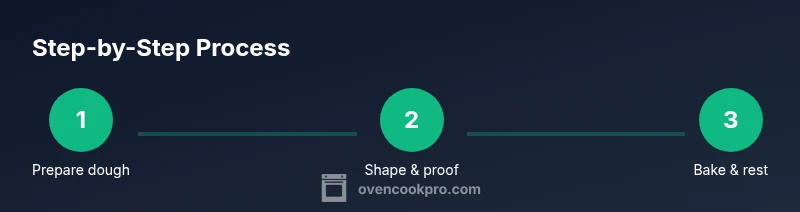
This section summarizes a practical workflow you can follow in a typical home kitchen. Start with a well-floured surface and a lightly oiled bowl. Shape into a tight round or oblong loaf to maximize surface tension. Proof until the dough passes the poke test (it offers slight resistance but springs back). Score with a sharp blade to direct expansion and promote an attractive oven spring. The key is timing: underproofed dough won’t expand properly; overproofed dough can collapse when heat hits.
When ready, gently lift the loaf with a parchment sling and place it into the hot Dutch oven. Replace the lid and bake according to your recipe. After 15–20 minutes, you can uncover the loaf to develop a deep crust color and continue baking until internal temperature is reached (approximately 200–210°F / 93–99°C).
Baking It: The Moment of Truth in the Oven
The bake is where your planning becomes crust. Start with the covered bake to trap steam and allow the loaf to rise fully. After 15–20 minutes, uncover to let the crust colorize and develop a crisp finish. Throughout the bake, resist the urge to peek; opening the oven vent prematurely releases steam and can hamper oven spring. Depending on loaf size and oven heat, total bake time typically ranges from 25 to 40 minutes after uncovering. Use a thermometer to verify internal doneness rather than relying on time alone.
Cooling is essential: allow the loaf to rest on a rack for at least an hour before slicing to finish crust stabilization and crumb development.
Troubleshooting Common Problems
Even with careful prep, issues happen. A dense crumb often points to underproofing or insufficient fermentation; extend bulk fermentation or adjust hydration slightly. A pale or soft crust may indicate insufficient heat or steam; ensure the pot and lid are hot before introduction. A cracked or split crust can result from scoring errors or overly aggressive handling; practice cleaner cuts and smoother surface tension during shaping. If the loaf spreads, consider increasing dough strength through additional folds or a longer rest before final shaping.
Remember, small adjustments can dramatically affect crust formation and crumb structure. Keep notes for each bake to refine your routine and achieve consistent results over time.
Care, Maintenance, and Longevity
Maintenance of your Dutch oven extends its life and performance. For enamelled pots, wash with warm, soapy water and dry completely; avoid metal scrubbers that could scratch the enamel. Bare cast iron needs seasoning and regular oiling to maintain its nonstick surface and rust resistance. After use, wipe clean and store with the lid ajar or with a paper towel to absorb moisture. Regularly inspect the lid fit and handles; a loose lid or cracked handle can affect steam retention and safety. With proper care, a single Dutch oven can serve you for many sourdough seasons.
Tools & Materials
- Dutch oven (4-6 qt, cast iron)(Choose both a pot and a tight-fitting lid; consider enamelled vs bare depending on preference)
- Parchment paper sling(For easy loaf transfer into the pot)
- Digital kitchen scale(Accurate hydration and dough weight)
- Bench scraper(Shaping and portioning dough)
- Banetton or proofing basket(Support loaf during final proof)
- Flour for dusting(Prevent sticking during shaping)
- Sharp lame or kitchen blade(Scoring marks for controlled expansion)
- Oven mitts / heat-resistant gloves(Safe handling when pot is hot)
- Cooling rack(Air circulation during final rest)
- Thermometer (optional)(Check internal loaf temperature if desired)
Steps
Estimated time: Total time: about 2 hours 20 minutes
- 1
Prepare materials and dough plan
Measure ingredients and prepare the workspace. Preheat your oven and Dutch oven to the target temperature. Have parchment and a sling ready for safe transfer.
Tip: Organize all items within arm’s reach to minimize disruptions. - 2
Autolyse and combine ingredients
Mix flour and water and let rest for 20–40 minutes to hydrate. Then add salt and starter and mix until integrated.
Tip: Autolyse improves gluten development and dough extensibility. - 3
Bulk fermentation with folds
Let the dough rise at room temperature, performing a set of gentle folds every 30–45 minutes to build strength without deflating.
Tip: Folds create a stronger dough without overworking it. - 4
Shape and final proof
Shape into a tight boule or batard with surface tension. Place in a well-floured proofing basket and proof until ready to bake.
Tip: Edge-to-edge surface tension helps crust formation. - 5
Score and prepare for bake
Score the loaf with clean, deliberate cuts to guide expansion. Keep the loaf cold and ready to transfer.
Tip: A sharp blade yields cleaner, more precise incisions. - 6
Preheat Dutch oven and prepare steam
Preheat oven and pot for 20–30 minutes at high heat to ensure the pot is hot and steaming from the moment the dough enters.
Tip: A fully heated pot is essential for immediate oven spring. - 7
Bake covered, then uncover
Bake with the lid on for initial steam, then remove to develop color and crust. Monitor until loaf reaches 200–210°F (93–99°C) internally.
Tip: Avoid opening the oven early to keep steam intact. - 8
Cool and assess
Cool on a rack for at least an hour before slicing to finish setting the crumb. Note the crust color and crumb openness for future tweaks.
Tip: Cooling is as important as baking for texture.
Questions & Answers
What size Dutch oven is best for sourdough bread?
Most bakers use a 4-6 quart Dutch oven to bake a single loaf. Choose a size that fits your typical loaf shape and provides room for expansion without crowding the dough.
A 4 to 6 quart Dutch oven is typically ideal for standard sourdough loaves, giving enough space for rising without crowding.
Do I need parchment paper when using a Dutch oven?
Parchment paper helps with dough transfer and minimizes sticking, especially if your dough is wet. You can bake directly on the pot’s surface if it’s well seasoned and dry.
Parchment makes it easier to transfer the dough and reduces sticking, especially with higher hydration doughs.
Enamelled vs bare cast iron, which is better?
Enamelled pots are easier to clean and don’t require seasoning. Bare cast iron can offer superior heat retention once properly seasoned, but needs more maintenance.
Enamel reduces maintenance while bare cast iron offers great heat retention if seasoned well.
Why is my crust not crispy even with a Dutch oven?
Crust issues usually come from insufficient preheating, inadequate steam, or late scoring. Ensure the pot is hot, keep steam during the initial bake, and score cleanly.
If the crust isn’t crisp, check the pot heat, steam retention, and scoring quality.
Can I bake without a lid in the first phase?
Baking with the lid on for the first 15–20 minutes simulates steam-in-a-pot. If you skip this, you’ll likely compromise oven spring and crust color.
Keeping the lid on early helps the loaf rise and form a crust.
How do I know when the loaf is done?
Aim for an internal temperature around 200–210°F (93–99°C) and a deep, even color. If you don’t have a thermometer, tap the bottom—a hollow sound indicates doneness.
Use internal temperature or the hollow sound test to judge doneness.
How should I care for my Dutch oven after baking?
Let it cool, wash as needed (enamelled with mild soap; bare cast iron with water and no soap), and dry thoroughly. Re-season bare cast iron periodically to maintain nonstick properties.
Clean gently and dry completely; re-season bare cast iron as needed.
Watch Video
Main Points
- Choose a well-sealed Dutch oven for best steam retention
- Hydration and fermentation are critical for crumb and structure
- Preheat thoroughly and bake with the lid on, then off for color
- Shape tightly and score confidently for oven spring
- Care for your pot to extend its life