Do You Need to Preheat a Dutch Oven for Sourdough?
Discover whether preheating a Dutch oven improves sourdough crust and rise, plus practical temps, timing, and techniques for reliable, bakery-style loaves at home with Oven Cook Pro.


Do you need to preheat dutch oven for sourdough? In most cases, yes. Preheating a cast-iron Dutch oven to about 450-500°F helps trap steam and kickstart oven spring, producing a blistered crust and taller loaves. If you skip preheating, bread may still bake, but crust development and rise are typically less optimal.
do you need to preheat dutch oven for sourdough
Preheating a Dutch oven is a common practice among home bakers aiming for a blistered crust and strong oven spring. The steam trapped inside the preheated vessel helps keep the dough surface active, which promotes even expansion during the bake. For many sourdough recipes, this step makes a noticeable difference in texture and rise. According to Oven Cook Pro, preheating is the preferred method for most home bakers, particularly when using a traditional cast-iron Dutch oven. However, there are valid approaches that don’t require preheating, and you can tailor your method to your oven and schedule.
Temperature and timing guidelines for preheating
To maximize crust and oven spring, aim for a preheat temperature between 450°F and 500°F (230-260°C). Preheat the Dutch oven with its lid inside the main oven for 20-30 minutes before loading the dough. If your oven runs hot or cold, adjust within this range; for very high-hydration dough you may favor 475-500°F. Remember that the stone or pan you use will impact actual surface temperature, so trust the oven thermometer more than the dial.
Preheating methods: cast iron vs ceramic, and cold-start options
Cast-iron Dutch ovens are the most forgiving when preheated, offering strong heat retention and a reliable steam seal. Ceramic or enameled pots can also work, but preheating may be slower and less efficient. A cold-start method—placing dough directly into a cold or room-temperature pot—can still bake bread, but crust development generally lags and loaf rise can be uneven. The choice of vessel shapes how quickly moisture escapes and where the heat concentrates. Always avoid sudden temperature changes to prevent cracking.
Tools and materials for best results
At minimum you need a sturdy Dutch oven (4-6 qt is a good starting size), an oven thermometer to verify temperature, parchment paper or a silicone mat for easy transfer, and a cooling rack for post-bake handling. Have oven mitts or silicone gloves ready, and a sharp blade for scoring. Optional items include a digital scale, bench scraper, and a spray bottle for misting the dough if you want a stronger surface shine.
High-level step-by-step overview (without repeating the full steps)
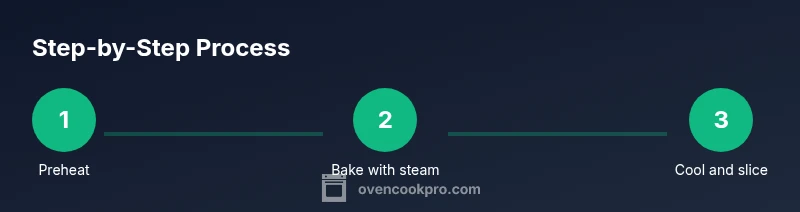
- Preheat: Set your oven to 450-500°F and place the empty Dutch oven inside to heat for 20-30 minutes. This ensures steam generation when the dough is loaded.
- Shaping and scoring: Shape the dough and score it to guide expansion, then transfer it to parchment.
- Bake with lid on: Slide the dough into the preheated pot and bake with the lid on for about 20-25 minutes; the steam trapped inside creates a glossy crust.
- Finish: Remove the lid and continue baking 15-25 minutes until the crust is deeply caramelized and crisp.
- Cooling: Let the loaf rest on a rack for at least 20-30 minutes to finish the crumb.
Common mistakes and how to fix them
One common mistake is not preheating long enough; always give the pot at least 20 minutes to reach temperature. Another is removing the bread too soon, which collapses the loaf. Using parchment that isn’t well supported can cause dough to spread; ensure parchment sits flat and transfers easily. If the crust seems pale, the oven may be running cool—verify the thermometer. Excess moisture on the dough also harms crust; ensure proper hydration and dry surface.
Care and maintenance of your Dutch oven after baking
After baking, let the pot cool completely before washing. Wipe away flour and any residue with a dry towel, then wash by hand with mild soap only if your pot is enamelled; if you use seasoned cast iron, avoid soaking. Dry thoroughly and apply a light coat of oil to maintain seasoning. Store with the lid slightly ajar to prevent moisture buildup. Regular maintenance reduces sticking and improves heat distribution over time.
Real-world scenarios and troubleshooting
If you consistently see pale crusts or uneven oven spring, reassess preheat duration and temperature. Ensure your dough has proper hydration and correct scoring to control expansion. In smaller home ovens or with very large loaves, you may need to extend the initial bake time or adjust the lid-off phase to avoid scorching. Practice with a few loaves of different hydration to understand how your oven behaves and adjust accordingly.
Tools & Materials
- Dutch oven (cast iron, 4-6 qt)(A standard size for home baking; ensures even heat and steam retention)
- Oven thermometer(Verify actual oven temperature vs. dial setting)
- Parchment paper(For easy transfer and to prevent sticking)
- Flour for dusting(Light dusting helps prevent sticking and controls surface texture)
- Bench scraper or sharp blade(Useful for shaping and scoring the dough)
- Silicone spatula(Helpful for transferring dough and cleaning surfaces)
- Oven mitts or silicone gloves(Protect hands from hot metal and steam)
- Cooling rack(Air-cool the loaf evenly after baking)
Steps
Estimated time: Total time: 60-75 minutes
- 1
Preheat the oven and Dutch oven
Set the oven to 450-500°F (230-260°C) and place the empty Dutch oven inside. Allow 20-30 minutes for the pot to absorb and stabilize at the target temperature, which helps create a burst of steam when the dough goes in.
Tip: Use a thermometer to confirm the pot’s interior reaches target temperature before loading dough. - 2
Prepare and score the dough
While the oven heats, shape the dough into a tight boule or batard and score the surface with a sharp blade. A clean, confident cut directs expansion and improves crust formation.
Tip: Dust the surface lightly with flour to prevent sticking and to see scoring clearly. - 3
Transfer to parchment and load
Place the scored dough on parchment, then transfer it to the preheated Dutch oven using the parchment as a sling. Keep the lid ready for immediate coverage after loading.
Tip: Work quickly and keep the dough centered to maximize oven spring. - 4
Bake with lid on for initial steam
Bake the covered loaf for 20-25 minutes. The lid traps steam, helping set the crust and encourage a strong first rise.
Tip: Avoid lifting the lid during this phase to maintain consistent steam. - 5
Finish crust and color
Remove the lid and bake 15-25 more minutes until the crust is deeply caramelized and crisp. Rotate if your oven has hot spots for even browning.
Tip: If the crust colors too quickly, reduce heat slightly or shorten this phase. - 6
Cool before slicing
Cool the loaf on a rack for at least 20-30 minutes to finish crumb development and prevent gummy interiors.
Tip: Patience pays off; a hot loaf can collapse if cut too soon.
Questions & Answers
Do I have to preheat the Dutch oven every time I bake sourdough?
Preheating is strongly recommended for most sourdough loaves to maximize crust and rise. If you’re short on time or using certain vessels, you can bake with a cold pot, but expect crust and oven spring to be reduced.
Yes. Preheating is generally recommended to maximize crust and oven spring, though you can bake with a cold pot if needed, with slightly different results.
What temperature should I preheat to for sourdough?
Aim for 450-500°F (230-260°C). Adjust within this range based on your oven’s behavior and the dough's hydration. The goal is a hot, steady surface that produces steam for a blistered crust.
Typically 450-500 degrees. Adjust for your oven to maintain a steady, hot surface for steam.
Can I bake sourdough in a cold Dutch oven?
You can, but crust development and oven spring may be reduced. A heated pot creates more steam and a faster, more aggressive crust.
You can use a cold pot, but the crust and rise won’t be as strong as with preheating.
What if my oven cannot reach 450-500°F?
Bake at the highest safe temperature your oven allows, then extend the total bake time slightly and monitor crust color closely to prevent scorching.
If you can’t reach high heat, use your oven’s max and watch the crust carefully for browning.
Is preheating necessary for different dough hydrations?
Preheating helps consistently regardless of hydration, but higher hydration doughs especially benefit from the steam and strong start that a preheated pot provides.
Yes—preheating helps with all doughs, but high-hydration doughs gain more from the steam.
Watch Video
Main Points
- Preheat the Dutch oven to 450-500°F for best crust and oven spring
- Load with parchment for easy transfer and even steam
- Cover during the first bake to trap steam, then finish uncovered
- Cool thoroughly before slicing for optimal crumb