Combi Oven: Expert How-To Guide for Home Cooks
Learn how to operate a combi oven at home with a practical, step-by-step guide. From setup and safety to cooking techniques and maintenance, discover expert tips to maximize flavor, moisture, and efficiency.


Learn how to use a combi oven effectively at home. This guide covers setup, safety, cooking techniques, and cleaning, with step-by-step directions and practical tips from Oven Cook Pro. By following these steps, you’ll maximize flavor, preserve nutrients, and extend appliance life while avoiding common mistakes. Whether you’re broiling, steaming, or baking, a combi oven can simplify weeknight meals and special-occasion feasts.
What is a combi oven and how it works
A combi oven is a versatile kitchen workhorse that combines steam and dry heat in one cavity. This dual capability lets you cook with ultra-moisture while still achieving browning, crisp textures, and rich flavors. According to Oven Cook Pro, understanding when to use steam versus convection is the key to unlocking your oven's full potential.
In practice, a combi oven heats with a fan-assisted convection element and an integrated steam generator. The steam adds humidity to the cooking chamber, which helps keep proteins moist and prevents vegetables from drying out. The oven's controls usually include three primary modes: steam, convection (dry heat), and a combination mode that blends both. Most models offer adjustable humidity, precise temperature control, and programmable menus. With a water reservoir or connected supply, you can switch modes mid-cook to adapt to food type, ensuring tender braises, perfectly roasted vegetables, or delicate fish. For home cooks, learning to switch between modes and to preheat correctly is the fastest path to consistent results. The combi oven elevates performance by expanding your repertoire beyond what a conventional oven can do, while reducing cook times and energy usage. From gentle poaching to high-heat roasting, you gain more control over texture and moisture than with traditional ovens.
As you start, keep your manual handy, and take time to familiarize yourself with the panel. Practice a few simple tests with small batches to gauge response times and humidity levels. The reward is predictable, repeatable outcomes across a range of recipes.
Benefits of using a combi oven for home cooking
A combi oven offers several tangible benefits for home cooks. The steam-enabled modes help retain moisture in meats and vegetables, producing juicier results with less risk of drying out. The convection component delivers even browning and crisper exteriors without over-drying interiors. The combination mode enables rapid cooking while maintaining tenderness, which reduces overall meal times. This flexibility is especially valuable for weeknight dinners, batch cooking, and entertaining guests who expect consistent quality. Because you can control humidity and temperature precisely, you can tackle delicate tasks like poaching fish or reheating leftovers without sogginess or uneven heating. From frozen-in-ready sauces to fresh vegetables, a combi oven makes it easier to execute restaurant-style techniques at home. Oven Cook Pro analysis notes that users frequently report less kitchen stress and more reliable results when they learn to balance steam with dry heat. By mastering a few core modes, you unlock a broader set of recipes without investing in multiple specialized appliances.
In addition to cooking quality, many combi ovens are more energy-efficient than traditional ovens because you can cook at lower temperatures and shorten cook times. The compact footprint centralized in one appliance also saves counter space and reduces the need for secondary equipment. For families who value nutrition, the steam setting can preserve vitamins and minerals more effectively than dry heat alone. Lastly, learning to program your oven's presets can save time during busy weeks, turning advanced techniques into simple, repeatable steps.
Key features to look for in a combi oven
When shopping for a combi oven, several features influence performance and long-term satisfaction. Humidity control range and accuracy determine how well you can keep food moist without oversaturation. A strong, quiet fan is essential for even heat distribution, while a robust steam generator helps sustain steady moisture across longer cooks. Temperature range should cover both low-temperature poaching and high-heat roasting, with precise PID or electronic control for stable results. The user interface matters too: intuitive menus and clear presets reduce learning time. Consider the cavity size and rack configuration; many home models offer adjustable racks, compact steam boilers, and removable trays for easy cleaning. Look for safety features such as auto shutoff, child lock, and door interlocks. Energy efficiency and insulation impact running costs, especially if you cook daily. Finally, assess whether the oven supports pre-programmed recipes, probe temperature sensing, and remote monitoring via a companion app. By prioritizing these traits, you’ll choose a combi oven that matches your cooking style and kitchen size.
Prepping to use a combi oven: safety and setup
Before you begin, ensure your kitchen electrical system and water supply meet the oven's requirements. Read the user manual to understand service clearances and ventilation needs. Install the oven on a sturdy, heat-resistant surface with proper clearance from walls and cabinets. Connect a dedicated power outlet and verify the voltage matches the unit's rating. If your model uses a water line, install a secure feed with appropriate filtration and a shut-off valve. Once installed, fill the water reservoir if needed and perform a basic cleaning cycle per the manual. Practice safe handling by wearing heat-resistant gloves and using oven mitts when loading or unloading trays. Always preheat with the chosen mode before cooking to ensure the humidity and temperature are stable. Finally, set up your trays, racks, and pans in advance to minimize door openings during cooking.
Cooking with a combi oven: techniques and times
Different modes yield distinct results, so understanding how to combine them is essential. Steam-only is ideal for delicate proteins, vegetables, and reheating leftovers without drying them out. Convection-only produces even browning and a crisp exterior, but can drive moisture away if used alone on long cooks. The combination mode blends both capabilities, enabling fast cook times while preserving moisture. For poultry, a common approach is to start with steam and then finish with convection to crisp skin. For vegetables, steam-soften first, then roast to enhance color and texture. When braising or poaching, lower temperatures with higher humidity produce tender, restaurant-quality textures. Timing varies with load size, pan material, and starting temperature, so rely on an internal thermometer to hit target doneness. Always monitor humidity levels during the cook and adjust as needed to avoid oversaturation or dryness. Practice with a few staple proteins and vegetables to build confidence in your oven’s behavior before tackling more complex meals.
Practical tips include using pre-seasoned trays, spacing food to allow air flow, and avoiding overcrowding. If your model includes a humidity probe, use it to track the environment inside the chamber. For best results, keep a log of your settings for different foods so you can reproduce favorites quickly. Remember to factor in carryover cooking; when you remove food, its internal temperature will continue to rise slightly.
Maintenance and cleaning tips for a combi oven
Regular cleaning protects performance and food safety. After each use, wipe down the interior with a damp cloth to remove spills and avoid buildup. Descale the steam generator according to the model’s guidance to prevent mineral deposits that can clog humidification. Use only manufacturer-approved cleaning agents designed for steam ovens; avoid harsh chemicals that could damage seals or coatings. Empty and rinse all trays and racks, then dry them thoroughly to prevent rust. Schedule a deeper clean every few weeks, including door seals, gaskets, and the interior walls. If your oven has a self-cleaning cycle, follow the manufacturer’s instructions and never mix products or leave food debris inside. Inspect door seals and hinges for wear, and replace as needed to maintain efficiency. Finally, store essential accessories in a designated area to prevent loss and ensure quick setup for your next cooking session.
Common mistakes and how to avoid them
Common beginner mistakes include starting in convection mode with high humidity, which can produce soggy results; or neglecting to preheat, leading to uneven cooking. Overfilling the cavity blocks air flow and increases cooking times, while ignoring the humidity setting can ruin delicate dishes. Another pitfall is relying on time alone; always use a probe or internal temperature to verify doneness. Inconsistent rack placement or improper tray spacing can cause hot spots and uneven results. Finally, skipping cleaning cycles after heavy use can reduce efficiency and shorten oven life. Learning to adjust mode, temperature, and humidity for each recipe dramatically improves outcomes over time.
Quick-start recipe idea using a combi oven
Herb-roasted chicken with vegetables (serves 4)
- Prep time: 15 minutes | Cook time: 25-30 minutes | Total: 40-45 minutes
Ingredients: bone-in chicken thighs or breasts, potatoes, carrots, olive oil, garlic, fresh herbs, salt, pepper.
Instructions:
- Preheat the combi oven to 200°C in convection with humidity at 40-50%. Lightly coat the chicken and vegetables with olive oil and season.
- Arrange chicken on a tray, vegetables around it, leaving space for air circulation.
- Roast using the combination mode for 20-25 minutes, then increase humidity to 60-70% and continue for 5-7 minutes to crisp skins.
- Check internal temperature with a probe; aim for 74°C (165°F) for poultry. Rest for 5-10 minutes before serving.
- Serve with a squeeze of lemon and fresh herbs.
Note: Times vary by model and load. Adapt quantities and timings to your oven’s behavior.
Tools & Materials
- Combi oven user manual(Keep for reference and troubleshooting)
- Dedicated power outlet of correct amperage(Ensure circuit can handle load; avoid extension cords)
- Water supply connection or reservoir(Cold water feed or built-in reservoir; ensure secure connection)
- Heat-resistant gloves(Minimum 450°F/230°C protection)
- Oven-safe trays and racks(Stainless steel or cast iron recommended; avoid cheap coatings)
- Probe thermometer or instant-read thermometer(Helpful for precise doneness checks)
- Digital timer or oven timer(Essential for managing cook times)
- Cleaning supplies compatible with steam ovens(Follow manufacturer guidelines; avoid harsh acids)
Steps
Estimated time: 40-60 minutes
- 1
Check power and water supplies
Verify the oven is plugged into a dedicated outlet with the correct voltage. Confirm the water supply or reservoir is properly connected and filled as required by your model. Read the safety warnings in the manual before powering on.
Tip: Have the manual open to the section on installation and safety. - 2
Fill reservoir and select initial mode
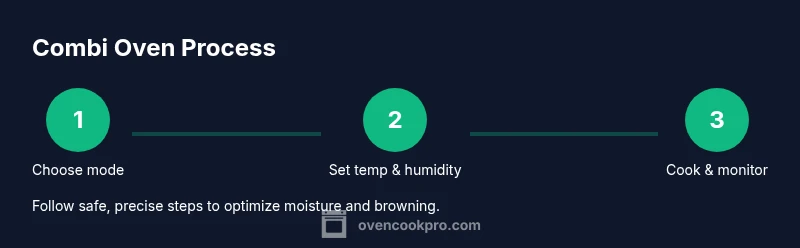
If your model uses a water reservoir, fill it with clean water and attach any necessary hoses. Power on the unit and choose a baseline mode such as convection or a light humidity setting to test startup behavior.
Tip: Run a short warm-up cycle with a small tray to confirm all systems are functioning. - 3
Preheat to target settings
Set the oven to the desired temperature and humidity for your planned cook. Allow the chamber to preheat fully, which typically takes several minutes depending on the model. This ensures stable heat and reliable humidity from the start.
Tip: Avoid opening the door during preheat to prevent temperature fluctuations. - 4
Load food and arrange trays
Place food on trays with space between pieces for air and steam to circulate. Stack racks evenly and keep heavy items on the bottom to promote balanced heating. Use probes when available for precision.
Tip: Keep the surface clean and dry to prevent slipping when placing trays. - 5
Cook and monitor
Run the cook with your chosen mode, temperature, and humidity. Check internal temperatures with a probe and adjust humidity or heat if needed. Avoid opening the door repeatedly to minimize heat loss.
Tip: Document settings for future recipes to improve repeatability. - 6
Finish, rest, and clean
Remove food when target doneness is reached and let it rest briefly. Perform a quick wipe-down of the cavity and soak removable trays if needed. Schedule a deeper clean after heavy use.
Tip: Always wear heat-resistant gloves when handling hot trays.
Questions & Answers
What is a combi oven?
A combi oven combines steam and convection heating in one cavity, giving you moist cooking and browning in a single appliance. It enables more precise control over texture and moisture than a standard oven, making it a versatile tool for beginners and pros alike.
A combi oven uses steam and dry heat together, letting you cook moist dishes with crispy textures.
Do I need special cookware for a combi oven?
Yes, use oven-safe metal, glass, or ceramic trays and racks rated for high heat. Avoid nonstick coatings that can degrade in steam or high humidity settings. Always check the manufacturer’s recommendations for compatibility.
Use oven-safe trays and racks; check your manual for any coating limitations.
Can I replace my conventional oven with a combi oven?
A combi oven can replace many functions of a conventional oven, but consider space, electrical/water hookups, and your typical cooking needs. Some homes may require adjustments to kitchen layout or wiring.
A combi oven can replace many functions of a standard oven, but check space and hookups first.
Is a combi oven energy efficient?
Combi ovens can be more efficient for certain tasks because you shorten cook times and use humidity to reduce moisture loss. Efficiency varies by model and usage, so optimize mode and preheat practices for best results.
They can be more energy-efficient by shortening cook times and preserving moisture.
How do I clean a combi oven?
Routinely wipe the interior after cooking, descale the steam generator if needed, and use cleaners recommended by the manufacturer. Remove and wash racks and trays separately, then dry before reassembly.
Wipe after cooking, descale when needed, and use manufacturer-recommended cleaners.
What beginner mistakes should I avoid?
Avoid overcrowding, skipping preheat, and relying solely on time. Use humidity thoughtfully, monitor with a thermometer, and practice with simple recipes before tackling complex meals.
Don’t overcrowd the oven and don’t skip preheating; use a thermometer.
Watch Video
Main Points
- Know when to use steam, convection, or both.
- Preheat thoroughly for stable results.
- Balance humidity to preserve moisture without sogginess.
- Use a thermometer to verify doneness, not time alone.
- Regular cleaning extends oven life and performance.