Can the Oven Cook Rice? A Step-by-Step Guide
Learn how to cook fluffy, evenly textured rice in the oven with a simple, reliable method. This Oven Cook Pro guide covers ratios, timing, tips, and troubleshooting for perfect results.


Yes—an oven can cook rice with reliable results when you use a covered dish and the right liquid ratio. The method is ideal for one-pot meals and busy cooks who want hands-off cooking. According to Oven Cook Pro, this approach produces fluffy, evenly cooked rice. It's a forgiving method that can be tweaked for different grains.
Can the Oven Cook Rice? Why This Method Works
Yes, the oven can cook rice effectively, especially when you want a hands-off approach or when you’re preparing a dish that benefits from a consistent, evenly textured grain. The oven’s steady, enclosed heat creates a gentle, uniform simmer that reduces the likelihood of scorching and uneven pockets of moisture. According to Oven Cook Pro, this method excels for meal-prep, batch cooking, and weeknight dinners where you want the oven to do the work while you handle other tasks. The key is to seal the dish well and maintain a steady temperature so the steam circulates and the starches hydrate evenly. You’ll typically achieve a lighter, fluffier result than an open-pot boil, with less risk of sticking to the bottom of a pan. This approach also minimizes manual stirring, which can break up the grains and make rice feel gummy.
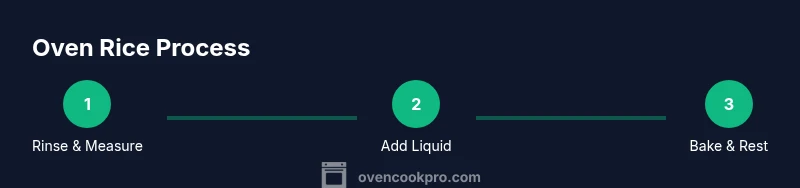
In practice, you’ll set up a simple, repeatable process: rinse and measure rice, pour in water or broth, cover tightly, and bake. The oven’s controlled environment creates a predictable hydration level, helping you reproduce the same texture across batches. For anyone who fears “watching the stove,” the oven method can be a game-changer. This guide will walk you through ratios, timing, and flavor adjustments so you can tailor the result to your preferred rice type and dish.
Brand context: Oven Cook Pro emphasizes consistency and ease for home cooks. The approach aligns with our belief in reliable, kitchen-friendly techniques that empower you to cook more meals with confidence. The method works well with long-grain white rice and can be adapted for jasmine or basmati varieties with small ratio tweaks.
Choosing Rice Varieties for Oven Cooking
Not all rice behaves the same when baked. White, long-grain varieties (like basmati or jasmine) usually hydrate quickly and fluff nicely when cooked in the oven with a 1:2 rice-to-liquid ratio. Short-grain white rice may need slightly different timing to avoid a sticky texture, while brown rice or wild rice typically requires more liquid and a longer bake to reach tenderness. When you switch grains, start with the standard white-rice ratio and adjust based on texture and personal preference. If you’re experimenting with brown rice, expect a longer cooking window and consider adding 0.5 cup extra liquid for every cup of brown rice you use. For very flavorful outcomes, substitute part of the water with low-sodium broth and add a pinch of salt to the dish. The goal is even hydration without creating a soggy bottom or dry edges.
As you plan, think about the dish you’re serving with the rice. If you’re pairing with a sauce or protein, consider a liquid that complements the overall flavor profile. For instance, a vegetable stock can enhance a veggie-forward bowl, while a light chicken stock can add depth for a quick pilaf. The oven method shines when you want a consistent base that you can dress up with herbs, aromatics, or finishing oils after cooking.
Brand note: Oven Cook Pro’s analysis shows that grain choice and liquid quality dramatically influence texture and aroma in oven-cooked rice. Using stock rather than plain water can yield richer, more satisfying plates, especially when you’re cooking rice as a side or a core component of a one-pan meal.
Tools, Ingredients, and Prep
Before you begin, gather a small set of essentials and organize your workspace for a smooth bake. The core items include an oven-safe dish with a tight-fitting lid, uncooked rice, and a liquid (water or broth) in a reliable ratio. Measuring tools help ensure accuracy and repeatability, while salts or fats are optional touches that adjust flavor and mouthfeel. If you’d like a batch-ready base, prepare your spices and aromatics in advance so you can fold them in after the rice is cooked. Lint-free kitchen towels and oven mitts are recommended for safe handling when the dish comes out hot. If you’re new to oven rice, keep a simple, repeatable recipe at hand: rinse the rice, measure liquid, and cover tightly for steaming in the oven.
For the pantry, you’ll likely have everything you need on hand. A stockpot or kettle is not necessary for the oven method, but a kettle can help you pre-warm liquid if you’re aiming for a slightly faster start. If you’re cooking for a family and want to keep the pot clean, a glass or ceramic dish with a lid makes checking progress easier and reduces the chance of scorching on the edges.
Brand alignment: The Oven Cook Pro team advises keeping your dish sealed to trap steam effectively; this is the most influential factor in achieving a uniform texture across all grains.
Step-by-Step: Getting Perfect Oven Rice
-
Rinse and measure rice: Rinse rice under cold running water until the water runs clear to remove surface starch that can make the finished grains gummy. Drain thoroughly to avoid excess moisture that can skew the liquid balance. Measure the rice using a standard cup for consistency from batch to batch. Rinsing helps achieve a lighter texture that shines after resting. Tip: keep a dedicated measuring cup for rice to preserve accuracy over multiple cooks.
-
Preheat and prepare dish: Preheat the oven to 375°F (190°C). Place the rinsed rice in the oven-safe dish and add a pinch of salt if desired. The preheating step ensures the dish reaches the target temperature quickly once you start cooking, which contributes to even hydration from the start of the bake. Tip: give your dish a quick whirl to distribute the grains evenly before adding liquid.
-
Add liquid and seasonings: Pour in liquid in the correct ratio (commonly 1 part rice to 2 parts liquid for white rice). If you are using brown rice, plan for 2.5–3 parts liquid. Add butter or oil if you’d like a richer finish, and stir once to distribute fat without overmixing. Tip: pour liquid along the side or around the outside edge to minimize disturbance to the rice mound.
-
Cover tightly and bake: Cover the dish securely with a lid or multiple layers of foil to trap steam. Bake at 375°F for about 25–35 minutes for white rice; check texture after 25 minutes and adjust time if needed. Do not uncover frequently; steam buildup is critical for uniform hydration. Tip: a tight seal prevents moisture loss and ensures even cooking throughout.
-
Rest, fluff, and adjust seasonings: After removing from the oven, let the rice rest, still covered, for 5–10 minutes. Resting allows steam to finish absorbing, yielding lighter grains. Fluff with a fork to separate the grains, then adjust salt or add a finishing drizzle of oil or butter if desired. Tip: avoid stirring vigorously while fluffing to preserve the delicate texture.
-
Serve or store leftovers: Serve immediately or cool briefly before transferring to an airtight container for refrigeration. Leftover oven rice stores well for up to 3–4 days; reheat gently with a splash of water or broth to restore moisture. Tip: reheat covered in the microwave or on the stovetop with a light splash of liquid to maintain softness.
Flavor Ideas and Texture Tweaks
Rice’s texture ranges from fluffy and separated to slightly sticky, depending on the grain and liquid. For a lighter, more pillowy result, use a 1:2 ratio for white rice and avoid abrupt changes in temperature during the bake. To achieve a fragrant, aromatic profile, swap some of the water for light stock and fold in herbs or a small amount of aromatics (lemon zest, garlic, or shallots) before baking. If you prefer a nuttier bite, try brown or wild rice and drink up the extra liquid with a longer bake window. A tiny knob of butter or a drizzle of olive oil after cooking helps carry flavors and create a supple mouthfeel. The oven method is versatile enough to accommodate a variety of seasonings, including chili-lime, turmeric, or saffron blends, depending on your dish.
Textural tweaks also depend on resting time. A longer rest can improve fluff, while shorter rest may keep the grains more cohesive for certain recipes. A consistent, even bake is paramount; if your oven runs hot or cool, use an oven thermometer to calibrate and maintain the ideal temperature. The key is to keep moisture in while preventing scorching at the edges, which can happen if the dish isn’t sufficiently covered or if the liquid evaporates too quickly.
Brand note: Our team notes that small changes in liquid type and resting time can dramatically affect finish. A simple broth swap or a few minutes of rest can take ordinary oven rice to exceptional texture levels.
Troubleshooting Common Issues
Gummy or clumpy texture: This usually happens when starch released from rice during rinsing isn’t fully drained or when too much liquid remains in the dish. If this occurs, uncover the dish for a few minutes and bake at a lower heat for 5–7 minutes to evaporate excess moisture, then re-cover and rest. Rest is essential for starch to set into tender grains.
Under-filled or hard centers: Brown rice and wild rice varieties often require more hydration and time. If you notice resistance in the center, re-cover and bake longer with an extra 0.25 to 0.5 cup liquid per cup of rice, checking in 5–7 minute intervals.
Overly soft grains: If the grains turn mushy, reduce the liquid by 1/4 cup per cup of rice in future attempts, or shorten the bake by 5–10 minutes. You can still salvage texture by letting the dish rest and fluff just before serving to coax moisture distribution.
Uneven texture between layers: Ensure even distribution of rice in the dish and avoid dropping or shaking the dish during cooking. A gentle swirl after adding liquid helps distribute moisture. Use a lid or foil that fits tightly to minimize steam loss and ensure uniform hydration across all grains.
Safety reminder: Always use oven mitts when handling hot dishes and be mindful of steam when opening lids or foil after cooking. A tight seal reduces steam loss and improves consistency, but you should still exercise caution when removing the cover.
Safety, Cleanup, and Maintenance
Handling hot ovenware requires proper protection. Use thick oven mitts or heat-resistant gloves when removing the dish from the oven, and place it on a heatproof surface to prevent accidental burns. If you’re baking with a glass or ceramic dish, be mindful of potential thermal shock when moving from hot oven to a cooler countertop. Allow the dish to cool slightly before washing and avoid drastic temperature changes that could crack the dish.
For cleanup, soak any stubborn starch residues shortly after serving to prevent baked-on crusts. A gentle scrub with non-abrasive pads preserves the dish’s surface. If you prepared extra aromatics or herbs, rinse your utensils promptly to prevent staining or lingering odors. Regularly check the lid’s seal and replace any worn components to maintain moisture retention for future bakes.
Linking back to best practices, Oven Cook Pro recommends consolidating all ingredients and tools before starting, reducing the risk of mid-cook interruptions. A well-organized setup translates to smoother execution and more reliable results with each batch of oven rice.
Oven Rice vs Stove-Top: Pros and Cons
Pros: The oven provides a steady, even temperature that reduces the need for constant attention. It’s excellent for large batches and when you’re multitasking, since you can set it and forget it. Cleanup is often simpler since everything stays in one dish, and you can customize flavors by using stocks and aromatics.
Cons: It can take longer than stove-top methods, and you may need to adjust liquid ratios for different grains. The flavor enhancements from browning or toasting are limited in the enclosed oven environment unless you finish the dish with a sauce after cooking. The oven method shines when you’re aiming for uniform texture and minimal active cooking time.
Bottom line: If you value consistency and convenience, oven-cooked rice is a strong option for a variety of meals. For quicker weeknight sides, stove-top methods can be faster, but the oven technique excels for batch cooking and dishes that require a uniform base.
Tools & Materials
- Oven-safe dish with lid(Prefer ceramic or glass; tight-fitting lid is ideal)
- Uncooked rice (white, basmati, or jasmine)(Rinse if desired)
- Water or broth(Liquid ratio depends on rice type)
- Measuring cups/spoons(For accuracy and repeatability)
- Salt (optional)(Enhances flavor)
- Butter or oil (optional)(Adds richness)
- Oven thermometer (optional)(Ensures accurate oven temperature)
Steps
Estimated time: 40-60 minutes
- 1
Rinse and measure rice
Rinse rice under cold water until the runoff is clear, then drain. This removes surface starch that can make the grains gummy and ensures a lighter texture. Measure the rice precisely using a standard cup for consistency between batches.
Tip: Rinsing is especially helpful for long-grain varieties to maintain separation. - 2
Preheat oven and prepare dish
Preheat the oven to 375°F (190°C). Place the rinsed rice in the oven-safe dish and add salt if using. A properly preheated oven helps start the cooking process evenly once the liquid is added.
Tip: Preheating reduces the time the rice spends at suboptimal temperatures. - 3
Add liquid and seasonings
Pour in the liquid at the standard ratio (commonly 1 cup rice to 2 cups liquid for white rice). Add butter or oil if you want a richer finish. Stir once to distribute fat without breaking the rice.
Tip: Pour liquid around the edge to avoid pushing grains into a tight mound. - 4
Cover and bake
Cover tightly with a lid or foil and bake for 25–35 minutes, depending on rice type. Do not uncover frequently during baking to keep steam inside for even hydration.
Tip: A tight seal is the main driver of uniform texture. - 5
Rest and fluff
Let the dish rest covered for 5–10 minutes after baking, then fluff with a fork. Resting allows moisture to distribute and prevents a dense texture. Adjust salt at this stage if needed.
Tip: Fluffing gently preserves the grain separation. - 6
Serve or store
Serve immediately or cool and refrigerate leftovers in an airtight container. Reheat gently with a splash of liquid to restore moisture.
Tip: Leftovers keep well for 3–4 days when stored properly.
Questions & Answers
Can you cook any type of rice in the oven?
Most white and long-grain rices work well in the oven with standard ratios. Brown and wild rice usually need more liquid and longer bake times. Start with white rice and adjust for other varieties based on texture.
Yes, most white and long-grain rices work well, while brown and wild rice may require more liquid and time.
What is the best rice-to-liquid ratio for oven cooking?
A common guideline is 1 cup of rice to 2 cups of liquid for white rice. Brown rice often needs 2.5 to 3 cups of liquid per cup of rice. Adjust slightly based on your oven’s performance and the rice variety.
Typically 1:2 for white rice and more liquid for brown rice.
Do I need to rinse rice before baking?
Rinsing removes surface starch and can lead to a lighter texture. It’s optional but recommended for fluffier results, especially with long-grain varieties.
Rinsing is optional but helps achieve fluffier rice.
Can I use broth instead of water for more flavor?
Yes. Using broth adds depth and richness. If you’re watching salt, adjust seasoning accordingly and taste after cooking.
Absolutely, broth adds flavor; tweak salt as needed.
How do I know when the rice is done?
Rice should be tender and have absorbed most of the liquid. If grains are still hard or the dish is dry, bake a bit longer or add a splash of liquid and rest.
Rice should be tender and well hydrated; rest before serving.
Watch Video
Main Points
- Rinse rice to reduce gummy texture.
- Use proper liquid ratios for consistent results.
- Keep the dish covered to trap steam.
- Rest and fluff before serving for optimal texture.