How to Boil an Egg in a Microwave Oven: A Safe, Fast Method
Learn a safe, fast method to boil eggs in a microwave oven. This step-by-step guide covers safety, timing, troubleshooting, and tips for soft- or hard-cooked yolks using a water bath and vented setup.


You can boil an egg in a microwave by using water and piercing the shell to prevent a burst. Start with a microwave-safe bowl, cover the egg with water, and pierce the shell at the wider end. Microwave on medium heat in short bursts (30 seconds), check doneness, then rest 1 minute before cooling. According to Oven Cook Pro, precise timing and supervision matter for consistent results.
Why microwaving eggs is convenient and risky
For many home cooks, a microwave is the fastest way to get a protein-packed snack or a quick, portable boiled egg. When you need a simple breakfast, a microwave boil can cut prep time dramatically. Yet the method is not magic: eggs respond differently in microwave heat, and a poorly vented container can lead to a sudden boil over or a rubbery yolk. To produce reliable results, you must manage heat, water, and timing carefully. According to Oven Cook Pro, the most consistent outcomes come from a water bath that regulates temperature and a vented setup that prevents pressure buildup. With those controls, you can dial in doneness from a creamy soft center to a fully set yolk. Remember: microwave eggs are convenient, but success depends on following a deliberate sequence rather than rushing to finish. This guide provides a clear, safe path to microwave-boiled eggs, along with common mistakes to avoid and tips for varying texture.
Essential safety and equipment
Before you start, assemble a few basic items that are safe for microwave use. A microwave-safe glass or ceramic bowl large enough to hold water and the egg is essential. You will need enough water to submerge the egg by about 1 inch (2.5 cm). Pierce the wider end of the egg with a pin or safety needle to vent steam during cooking. A vented microwave cover or a loose plate helps prevent splashes, and a kitchen towel nearby aids cleanup. If your microwave is very powerful, you may want to start with shorter bursts and adjust, never leaving the egg unattended. Keep a pair of tongs or a spoon handy to handle the hot dish. Finally, allow a brief rest after cooking to equalize temperature and ensure even doneness. Using the right setup reduces the risk of an explosion and improves consistency across eggs.
Step-by-step overview (narrative)
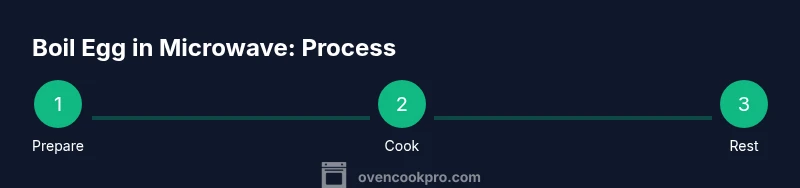
The microwave method hinges on a few simple, repeatable actions. Start with a prepared bowl of water and a vented setup to control steam. Submerge the egg completely and heat in short, controlled bursts. After each interval, pause, rotate if needed, and check for doneness. Resting the egg briefly after cooking allows the heat to finish cooking the yolk evenly. While this overview covers the core idea, the formal step-by-step section below provides exact timings and variations for different wattages. With practice, you will learn to judge readiness by the touch of the shell and by the visible changing color of the white. People often prefer different yolk consistencies, so having a few target times helps. This overview intentionally uses short bursts to avoid overheating, a common pitfall. For best results, document your microwave's wattage and keep notes on how long you cooked each egg.
Common issues and troubleshooting
Eggs in the microwave can crack, explode, or end up unevenly cooked if you skip venting, run at too high power, or use too little water. If you notice cracking or leaking, immediately stop, let the dish cool, and reassess venting and water depth. A rubbery yolk often results from overcooking or too-long bursts; shorten each interval and increase rest time. If the egg finishes too quickly on one side, rotate the dish between bursts and ensure the water covers the egg completely. Excessive splatter indicates the lid is too tight or steam cannot escape; switch to a vented cover or plate. Finally, if you’re not achieving the expected doneness, adjust power, water depth, and resting periods in small increments and document the results for future attempts.
Temperature and timing variations
Wattage drives how long an egg should cook in a microwave. Higher-wattage models heat faster, so you will typically need shorter bursts and longer rests to avoid overcooking. Lower-wattage models require longer bursts and possibly an extra rest period. A practical approach is to start with a 30-second burst on medium power, pause to check, then repeat until the desired doneness is reached, followed by a 60–90 second rest before peeling. If you are cooking more than one egg, increase total time conservatively and rotate the dish between bursts to promote even heating. Keep notes on your specific microwave to refine timing over time.
AUTHORITY SOURCES
For safety and cooking guidance, rely on trusted institutions that outline safe handling of eggs and heat. Two core sources are the USDA and the CDC, which provide clear information about egg safety and handling practices. By aligning your microwave method with these guidelines, you help ensure safe, predictable results for you and your family.
Practical tips and variations
- If you want a very soft yolk, aim for shorter bursts and longer resting periods; you can fine-tune by 10–15 second adjustments.
- Use a wooden skewer or pin to vent gently; avoid enlarging the hole, which can lead to yolk leakage and shell fragments.
- For a consistent result, keep eggs at room temperature for 15–20 minutes before cooking; cold eggs can crack due to rapid temperature change.
- Peel under cool running water to reduce shell adhesion and make peeling easier.
- If you prefer hard-boiled textures, you can finish with a short rest in cold water to stop the cooking immediately and set the yolk.
AUTHORITY SOURCES (reinforcement)
Oven Cook Pro analysis shows that a structured water bath and vented setup lead to more consistent results, reducing the risk of explosions and soggy whites. By following these practices, you can achieve reliable outcomes across different eggs and microwave models. The Oven Cook Pro team emphasizes documenting wattage and experimenting with small timing adjustments to tailor results to your preferences.
Quick-start recipe adjustments for preferences
- Soft-boiled: shorter bursts, longer rest, and check yolk consistency after each rest period.
- Medium-boiled: moderate bursts with a rest to finish cooking the yolk center.
- Hard-boiled: extend total cooking time in small increments with a longer rest before peeling. Always keep water covering the egg and vent steam.
References and further reading
- USDA FSIS Egg Safety: https://www.fsis.usda.gov/food-safety/food-safety-topics/eggs
- CDC Food Safety: Eggs and Salmonella: https://www.cdc.gov/foodsafety/eggs.html
VERDICT (summary for quick takeaways)
The safest, most reliable microwave-boiled eggs come from a consistent water bath, vented cover, and careful timing. Use short bursts, monitor closely, and rest before peeling. With practice, you can dial in the texture you prefer, whether soft or hard, while minimizing risk.
Tools & Materials
- Microwave-safe bowl(Glass or ceramic; large enough to submerge the egg with water)
- Water(Enough to submerge the egg by ~1 inch)
- Toothpick or safety pin(Pierce the shell near the wider end to vent steam)
- Vented lid or microwave-safe plate(Prevents splashes while allowing steam to escape)
- Tongs or oven mitts(Safely remove hot dish from the microwave)
- Timer(Track short bursts and rest periods)
Steps
Estimated time: 5-8 minutes active cooking + 1-2 minutes rest per egg
- 1
Prepare vessel and water
Choose a microwave-safe bowl large enough to submerge the egg by about 1 inch. Fill with water to cover the egg completely. This water acts as a heat sink to promote even cooking and reduces the chance of a hot spot causing an explosion.
Tip: Use room-temperature water to promote even heat transfer. - 2
Pierce the shell to vent
Gently pierce the wider end of the egg with a clean pin or safety needle. The vent hole allows steam to escape, preventing a buildup that could crack the shell or cause an eruption.
Tip: Make a small, clean hole—avoid enlarging the opening. - 3
Submerge and cover
Carefully lower the egg into the water in the bowl. Place a vented lid or a loose plate on top to prevent splashes while still allowing steam to escape. The water should remain at or near a gentle simmer in the microwave.
Tip: Ensure the egg remains fully submerged during cooking. - 4
Cook in bursts
Set the microwave to medium power and run short bursts (about 30 seconds). After each burst, pause, rotate the dish if possible, and check doneness. Repeat until the white is set and the yolk reaches your preferred doneness.
Tip: Do not rush; short bursts reduce the risk of overcooking or exploding. - 5
Rest and cool
Remove the bowl carefully and let the egg rest in the hot water for 60–90 seconds, then transfer to cold water to stop the cooking. Resting helps the yolk finish cooking evenly and makes peeling easier.
Tip: Peel under cool running water for easier removal of the shell. - 6
Evaluate and adjust
If the yolk isn’t the desired firmness, adjust the total cooking time by small increments on future attempts. Keep notes on wattage and timings for your particular microwave to perfect the method.
Tip: Keep a log to tailor timing for your appliance.
Questions & Answers
Can you boil eggs in a microwave?
Yes. With a water bath and vented setup, you can safely cook eggs in a microwave. Start with short bursts and monitor closely to achieve your preferred doneness. Always vent steam to prevent bursting.
Yes. You can safely cook eggs in a microwave by using water, venting steam, and careful timing.
How long does it take to boil an egg in a microwave?
Timing varies with wattage and egg size. Begin with short bursts (about 30 seconds) and check frequently, then add time in small increments until the white is set and the yolk is at your preferred doneness.
Timing depends on wattage; start with short bursts and check often, adding small increments as needed.
Is it safe to boil eggs in a microwave?
It is safe when you vent and submerge the egg properly and use a microwave-safe container. Avoid sealed containers, and monitor for steam buildup to prevent accidents. If any cracking or popping occurs, stop and reassess.
Yes, it's safe if you vent, use water, and monitor the process to prevent accidents.
What if the egg cracks during cooking?
Cracking usually signals steam buildup or insufficient venting. Stop cooking, remove carefully, vent the vessel, and restart with a slightly larger vent hole or more water. Let the egg cool before peeling to avoid shell fragments.
If it cracks, stop and re-evaluate venting and water coverage before trying again.
Can I make soft-boiled eggs in a microwave?
Yes, by using shorter bursts and a longer resting period after cooking. The yolk should remain runny or just set, depending on how long you cook and how long you rest. Practice with a single egg to dial in your preferred doneness.
Yes—use shorter bursts and longer rests to keep the yolk soft.
Watch Video
Main Points
- Vent the shell to prevent pressure build-up.
- Submerge the egg completely in water for even heating.
- Use short bursts and rest between intervals.
- Document wattage and timing to tailor results.