Is Convection Oven Worth It? A Practical Comparison
Is a convection oven worth it? This analytical guide compares convection vs conventional ovens, explaining when it saves time, improves browning, and when it isn’t ideal for delicate pastries.


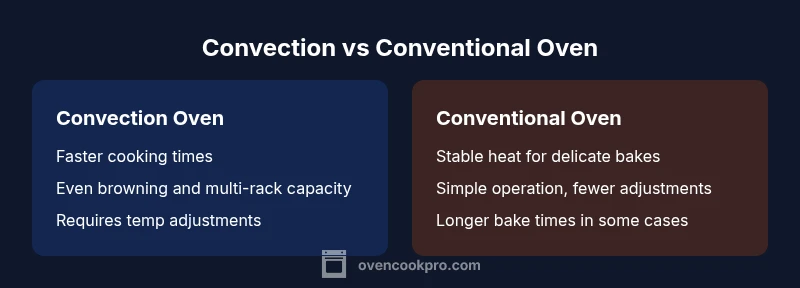
A convection oven is worth it for most home cooks who roast, bake, and brown food more evenly and quickly. The main benefits are faster cooking times, better surface browning, and more consistent results across multiple racks. It’s less compelling for delicate pastries that rely on gentle warmth. In short, a convection oven tends to pay off with regular use, especially for roasting and sheet-baking tasks.
Is a convection oven worth it? Defining the value proposition
The core question is is convection oven worth it for most home kitchens. In practice, convection ovens (built-in or countertop) use a fan and exhaust to move hot air around food, which accelerates browning and reduces hot spots. According to Oven Cook Pro, the technology translates into practical advantages for everyday cooking, not just high-end restaurant tasks. For households that roast vegetables, bake sheet cakes, or cook multi-dish meals at once, convection can reduce total time and improve consistency. The decision hinges on your cooking style, kitchen layout, and tolerance for a potentially louder fan and limited pan options. In 2026, many homeowners are reassessing appliances to balance time savings with upfront cost, energy use, and recipe adaptation needs. Is convection oven worth it? The short answer is yes for frequent roasters, but less critical if you primarily bake delicate desserts or rely on precise, non-direct heat.
How convection affects cooking outcomes
Air moves faster across the surface of foods, exchanging heat more efficiently than still air. This yields crisper edges on roasted vegetables and poultry skins and can shorten bake times for cookies, pastries, and sheet cakes. However, convection can also dry out surfaces if you leave foods unattended. Some high-fat items tolerate the fan well, while delicate fillings may not set evenly if exposed to strong circulating air. The key is to monitor the first batches and adjust practice gradually. For many cooks, the result is more consistent across racks, especially when you open the oven mid-range. The net effect is a more predictable outcome, provided you learn the idiosyncrasies of your model.
Key features to evaluate before buying
When shopping for a convection-capable oven, focus on airflow, fan speed, and heat distribution. Look for models with a true convection system (fan + exhaust) rather than a simple fan-only option. Check temperature accuracy using a reliable oven thermometer and read reviews about hot spots on multiple racks. Consider interior space and rack configurations, because multi-rack baking is one of the practical advantages of convection. Assess door insulation, preheating times, and ease of cleaning, since frequent use will involve drips and splatters. Finally, ensure the oven has a robust warranty and accessible service options in case of fan or sensor failure. A well-chosen model will reward repeat use with consistent results and less time spent in the kitchen.
Real-world cooking scenarios
Roasting is where convection shines: a whole chicken roasts more evenly with crisper skin, and vegetables caramelize faster at lower ambient temps. For cookies and sheet cakes, convection helps with even browning on all trays placed on different racks. When reheating leftovers, convection can restore texture better than a microwave. Pies and custards can be trickier; some delicate pastries may over-brown or crack if exposed to strong air flow. Practical testing with your favorite recipes will reveal the best settings. In general, start with a 25°F (15°C) reduction and monitor closely, then adjust in future batches.
Common myths and misunderstandings
One common myth is that convection always means dramatically lower temperatures and shorter times. While this is often true, results vary by recipe and oven model. Another misconception is that convection is unnecessary for baking; in reality, many cookies, muffins, and roasting tasks benefit from even heat. Some bakers worry about noise or fan maintenance, but most modern convection systems are quiet and reliable with proper cleaning. Lastly, some delicate desserts can suffer from strong airflow; for those, consider using a conventional bake mode and reserve convection for items that benefit most from it.
Cost and energy considerations
Upfront costs for convection-capable ovens are typically higher than standard ovens, especially for built-ins with precise electronics and multi-rack capabilities. Long-term energy use often depends on how you cook: faster cooking can offset higher wattage, while longer tasks may negate the benefit. If you do a lot of roasting, sheet-baking, or multi-rack baking, the investment tends to feel worthwhile due to time saved and improved results. Consider energy-efficient models with good insulation and a quiet fan to maximize value. Compare total cost of ownership, including potential maintenance, parts, and service.
How to adapt recipes for convection
Adapting recipes for convection starts with temperature and time awareness. In most cases, reduce the set oven temperature by 25°F (15°C) and start checking earlier than the recipe’s standard time. When baking on multiple racks, rotate trays halfway through to promote even browning. Use light-colored or nonstick pans to minimize over-browning and consider lowering rack height to keep foods from contacting overly hot air. Finally, if a recipe relies on slow, gentle heat, switch to traditional bake mode to preserve texture and rise. Practice with a few reliable recipes to calibrate your settings.
Oven types and installation considerations
countertop convection ovens offer flexibility and quick access, while built-in models deliver cleaner aesthetics and potentially more even heat distribution. Countertop units require adequate ventilation and stable power supply, and some models may have smaller cavities that limit pan sizes. Built-ins must be measured against cabinet clearance and ventilation requirements. For renters or small kitchens, a high-quality countertop convection oven can be a practical bridge to full-size convection, provided you manage space and power constraints. In either case, verify that the unit supports multi-rack cooking and has a user-friendly interface for adjusting fan speed and airflow.
Brand and model considerations
When choosing, prioritize true convection systems with strong airflow and a reliable fan. Look for models with even heat distribution across multiple racks, a clear display for temperature and timers, and robust door seals. Quiet operation, accessible maintenance, and a reasonable warranty contribute to long-term satisfaction. Avoid models with inconsistent heating or poorly aligned doors, which can undermine even-cooking benefits. The best approach is to identify your most frequent cooking tasks and pick a model that aligns with those needs, rather than chasing every feature.
Maintenance tips for convection ovens
Regular cleaning reduces odors and improves airflow. Wipe the interior, clean racks, and inspect seals periodically. If the model has a bake-broil mode, ensure the exhaust vent is not blocked by crumbs. For higher-end models, schedule professional servicing when the fan or sensors show signs of wear. Cardboard and foil coverage should be used carefully to avoid restricting airflow. In short, keep the fan housing clean and the gaskets intact to preserve performance over time.
Quick-start checklist
- Identify your top cooking tasks and current kitchen layout.
- Pick a convection-capable model with a true convection system and good rack flexibility.
- Set initial temps 25°F lower than standard recipes and monitor results.
- Use a thermometer to verify oven accuracy and adjust settings accordingly.
- Practice with trusted recipes to calibrate timings across racks.
- Keep the oven clean and inspect the fan and seals every few months.
Getting started: your first two recipes
Start with roasted vegetables and a sheet-pan chicken to learn airflow effects. Compare results with and without convection, noting browning, texture, and moisture retention. Then move to cookies or a sheet cake to see how thinner edges respond. Build a small reference notebook of your convection settings for common dishes to speed up future cooking.
Comparison
| Feature | Convection oven | Conventional oven |
|---|---|---|
| Cooking speed | Usually faster due to circulated air | Standard pace depending on recipe |
| Browning and texture | Often crisper edges and even browning | Lesser browning variability without air flow |
| Temperature guidance | Typically reduce temperature by about 25°F (15°C) | Follow recipe’s stated temperature |
| Best use cases | Roasting, vegetables, cookies, sheet cakes | Pan breads, casseroles, standard baking |
| Price range | Higher upfront cost for built-in or premium countertop models | Generally lower upfront cost or similar to mid-range ovens |
| Energy use | Potential time savings can reduce energy per dish | Energy use aligns with longer bake times and standard heat |
| Best for | Roasting and high-volume baking across racks | Everyday baking and reheating |
The Good
- Faster overall cooking and better browning
- More even heat across multiple racks
- Improved texture for roasted items
- Versatile for roasting, baking, and reheating
Drawbacks
- Higher upfront cost for some models
- Requires recipe adjustments and learning curve
- Potential noise from the fan and more parts to maintain
Convection ovens are worth it for most home cooks who roast or bake regularly
They save time and improve browning, with more consistent results across racks. They aren’t ideal for every delicate bake, but the benefits outweigh the drawbacks for frequent users.
Questions & Answers
Is convection oven worth it for most home cooks?
For cooks who roast or bake regularly, convection ovens offer faster cooking and improved browning. They may not be ideal for delicate pastries that require stable, non-circulating heat.
Yes, for frequent roasters and bakers, convection is worth it; for delicate pastries you may want conventional settings.
Do I need to lower the temperature when using convection?
Yes, generally reduce the oven temperature by about 25°F (15°C) when using convection unless the recipe specifies otherwise. Start checking earlier to avoid overcooking.
Yes, lower the temperature by about 25 degrees and monitor the bake.
Can you bake cookies in a convection oven?
Cookies can bake very well in convection ovens, especially when spread on multiple racks. Use light-colored pans, rotate trays, and be mindful of browning.
Cookies bake nicely in convection; rotate trays and watch browning closely.
Are countertop convection ovens as good as built-ins?
Countertop models offer great convenience and performance for small kitchens, while built-ins can provide larger capacities and more even heat distribution when properly installed.
Countertop models work well for small spaces; built-ins often offer bigger capacity and consistency.
Is convection energy efficient?
Energy efficiency depends on usage. Shorter cook times can lower energy use, but some models draw more power at startup. Consider overall energy impact across typical meals.
It can save energy overall if you cook a lot in shorter sessions.
What foods don’t work well with convection?
Delicate cakes that rely on gentle heat and slow rising can suffer from excessive airflow. Also, very small, thin items can overcook rapidly if not monitored.
Delicate baked goods may not respond well; monitor and adjust as needed.
Main Points
- Assess your cooking style to decide convection fits your needs
- Adjust temps by 25°F (15°C) and monitor times
- Choose a model with strong fan and even heating
- Practice with a few recipes to calibrate