Tri Tip Oven Roasting: A Complete Step-by-Step Guide
Learn how to roast a tri-tip in the oven for juicy, evenly cooked meat. This guide covers selection, seasoning, searing, roasting temps, resting, and slicing, with practical tips from Oven Cook Pro to ensure tenderness and flavor.


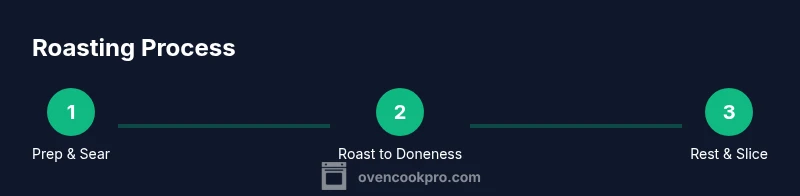
Step-by-step: You will learn to roast a tri tip in the oven to juicy, evenly cooked meat. You’ll thaw and trim, season boldly, sear, roast at high then finish at moderate heat, rest properly, and slice against the grain for maximum tenderness. Essential tools: pan, thermometer, and foil. This guide covers timing, doneness targets, and safety tips to avoid overcooking.
Choosing the Right Tri Tip for Oven Roasting
Selecting a high-quality tri-tip roast is the foundation of a successful oven roast. Look for a boneless tri-tip with generous marbling and a fairly uniform thickness; this helps the meat cook evenly without drying on the edges. The weight depends on how many servings you need: 1.5 to 2.5 pounds typically serves 4 to 6. If the roast is uneven in thickness, consider a quick trim to even it out. According to Oven Cook Pro, marbling is a better predictor of juiciness than size alone. If you can choose between two roasts, pick the one with brighter red color and a slightly springy feel when pressed. For home cooks, a well-marbled piece is a reliable bet for tender slices after resting.
Tools and Materials You'll Want on Hand
Before you start, gather essential tools and ingredients to keep the process smooth and predictable. A roasting pan with a rack helps air circulate around the meat for even browning. An instant-read thermometer (or a probe with an alarm) is your best friend for precision. Have a clean cutting board and a sharp carving knife ready for clean slicing. Kosher salt, coarse black pepper, and optional garlic or herb rubs form a simple, effective seasoning. Keep aluminum foil handy to tent the roast during rest. If you want a crisper crust, a cast-iron skillet can be used for the initial sear, then transfer to the oven. For flavor variety, consider rosemary, thyme, or garlic as optional aromatics.
Preparing the Tri Tip: Thawing, Trimming, and Seasoning
Begin with a thawed roast for even cooking. Pat the surface dry to promote browning, then trim away any thick fat cap if it feels heavy; leaving a thin fat cap can help flavor but too much can cause uneven browning. A light dry brine of kosher salt (about 1 teaspoon per pound) resting 40–60 minutes enhances surface texture. Apply a simple rub of salt, black pepper, and optional garlic powder or dried herbs. For extra depth, rub in a small amount of olive oil to help the seasonings adhere. If you have time, letting the seasoned roast rest uncovered in the fridge for 1–2 hours (or overnight) improves crust formation. Plate the roast on a rack over a sheet pan to catch drippings for easy cleanup. According to Oven Cook Pro, starting with a well-seasoned exterior creates a flavorful crust that seals in juices.
Searing the Tri Tip: How and Why
Searing creates a flavorful crust that enhances texture and visual appeal. Heat a heavy skillet or cast-iron pan with a thin film of high-smoke-point oil until shimmering. Sear the roast on all sides for 1–2 minutes per side until a deep brown crust forms. If you skipped pan searing, you can also achieve browning under a hot broiler for a few minutes after placing the roast in the oven. The goal is to develop Maillard reaction without cooking the interior too much. Patience during searing yields a crust that improves tenderness and flavor when sliced.
Roasting in the Oven: Temperature, Timing, and Doneness
Preheat the oven to a hot starting temperature around 425°F to sear the exterior quickly. After the initial sear, reduce the oven temperature to 350°F and continue roasting. The exact time depends on roast size and desired doneness, but a common target is 10–15 minutes per pound for medium-rare, followed by checking with an instant-read thermometer. For doneness guidance: 125–130°F for rare, 130–135°F for medium-rare, 135–145°F for medium. Remember that carryover cooking will raise the internal temperature by about 5–10 degrees during resting. Start checking early to avoid overcooking. Juices and texture improve with the roast resting in a warm, tented foil blanket.
Resting, Slicing, and Serving
Resting is critical to reabsorb juices that move toward the center during cooking. Tent the roast loosely with foil and let it rest for 10–15 minutes. This pause allows the interior to reabsorb moisture and finish to its final set point. Slice against the grain into 1/4-inch to 1/2-inch thick pieces for tenderness. If the roast feels a bit firm when rested, give it an extra 5 minutes of resting time. Serve with simple sides that complement the beef’s beefy flavor, such as roasted potatoes, green beans, or a bright chimichurri.
Variations and Advanced Techniques
If you crave extra flavor, brush with a light glaze of balsamic or a soy-ginger mixture during the last 5 minutes of roasting. A dry-brine (salt only) overnight can intensify crust and seasoning saturation. For a deeper crust, finish the roast under high heat or briefly broil after reaching the target internal temperature. If you prefer a smoky note, a short stint in a smoker or grill can impart a subtle barbecue character. You can also experiment with different herb rubs like rosemary and thyme to tailor the aroma to your menu.
Troubleshooting Common Issues
If the outside is over-browning before the center reaches target doneness, reduce oven temperature sooner and use the thermometer more aggressively. If the meat turns out dry, consider a longer rest and a slightly higher fat cap or a shorter overall cook time. Uneven cooking can be due to an irregular roast shape; in that case, rotate the pan or slice the roast while it rests to even out portions. Salt or rub too aggressively can make the surface taste saline; use salt judiciously early on and finish with a light sprinkle.
Quick-Start Plan for Weeknight Cooking
For a fast, dependable weeknight meal, keep a well-trimmed tri-tip on hand. Thaw overnight, pat dry, and apply a simple rub. Sear for a rich crust, then roast at 350°F until the thermometer reads your target. Rest, slice against the grain, and plate with your favorite sides. With practice, you’ll dial in timing that matches your oven and roast size for consistently perfect results.
Tools & Materials
- tri-tip roast (boneless), 1.5-2.5 lb(Choose an even thickness for uniform cooking; look for good marbling.)
- roasting pan with rack(Allows air to circulate and elevations for even browning.)
- instant-read meat thermometer(Insert into thickest part, away from bones; aim for doneness target.)
- aluminum foil(Tent roast during resting to retain heat without steaming.)
- kitchen tongs(Handles hot meat and turns during searing.)
- kosher salt(Category: coarse; use about 1 teaspoon per pound for dry brine.)
- black pepper, coarse(Freshly ground if possible for aroma.)
- optional aromatics (garlic, rosemary, thyme)(Adds depth; use sparingly to avoid overpowering beef.)
Steps
Estimated time: 60-75 minutes total, including resting
- 1
Select and prep the roast
Choose a well-marbled roast and pat dry. Trim excess fat, if needed, and apply a light dry brine to improve crust and juiciness. Let sit at room temperature for 20-30 minutes to reduce temperature shock when it hits the pan.
Tip: Even thickness ensures consistent cook; if parts are thicker, trim to uniform depth. - 2
Season boldly
Season generously with kosher salt and pepper; add optional garlic or herb rub if desired. Oil helps the rub stick and promotes crust formation.
Tip: Season ahead if possible; a 30–60 minute rest improves surface flavor. - 3
Sear the roast
Heat a heavy skillet with a small amount of oil until shimmering. Sear all sides until a deep brown crust forms, about 1–2 minutes per side. Transfer to a rack on a sheet pan or continue in the oven if no rack is available.
Tip: Don’t crowd; work in batches if needed for even browning. - 4
Roast at target temperature
Place in a preheated 350°F oven after searing; roast until the thermometer hits your target doneness. Start checking early to avoid overshoot; carryover heat will finish cooking during rest.
Tip: Use a thermometer early and often; this prevents overcooking. - 5
Rest the meat
Remove from oven, tent with foil, and rest 10–15 minutes. Resting lets juices redistribute for sliceable tenderness.
Tip: Rest longer if the roast is thicker or if you’re serving with hot sides. - 6
Slice against the grain
Identify the grain direction on the roast and cut perpendicular to it in thin slices. This minimizes chewiness and maximizes tenderness.
Tip: Use a sharp, long blade and steady pressure for clean cuts.
Questions & Answers
What is the best oven temperature for roasting tri-tip?
Begin with a high-heat sear at about 425°F, then finish roasting at 350°F for even doneness. Use a thermometer to target your preferred doneness and avoid overcooking.
Start with a hot sear at 425 degrees, then finish at 350. Use a thermometer to hit your preferred doneness.
How do I know when tri-tip is done?
Use an instant-read thermometer. Aim for about 135–140°F for medium-rare, 140–145°F for medium, and expect a 5–10 degree rise during resting.
Check with a thermometer; target around 135 to 145 degrees depending on your preferred doneness, with rest increasing temperature slightly.
Should I rest the meat after cooking?
Yes. Rest the roast for 10–15 minutes under tented foil to let juices redistribute and finish cooking gently.
Absolutely. Rest for 10 to 15 minutes to let juices reabsorb.
Can I marinate tri-tip before roasting?
Marinating is optional. A simple dry rub or light marinade adds flavor; avoid overly acidic marinades that could toughen the meat if left too long.
Marinate if you like, but a dry rub also works great and keeps things simple.
Is it better to roast on a rack or directly in a pan?
Using a rack allows fat to drip away and air to circulate, promoting even browning; a pan alone works but may soften the crust.
A rack helps you get even browning and juiciness.
Can I cook tri-tip from frozen?
It’s best to thaw completely for uniform cooking. Frozen meat can cook unevenly and extend the time needed.
Thaw it first for best results; cooking from frozen tends to be uneven.
Watch Video
Main Points
- Choose a well-marbled tri tip for juiciness.
- Sear first, then roast to desired doneness with a thermometer.
- Rest is essential for juiciness and easy slicing.
- Slice against the grain for maximum tenderness.
- Season boldly and personalize with aromatics for depth.