Oven Roasted Brussels Sprouts: A Crisp, Flavor-Packed Guide
Learn to roast Brussels sprouts in the oven for crispy edges and tender interiors. This 12-section how-to covers prep, timing, flavors, troubleshooting, and tasty variations—perfect for busy home cooks seeking kitchen confidence.


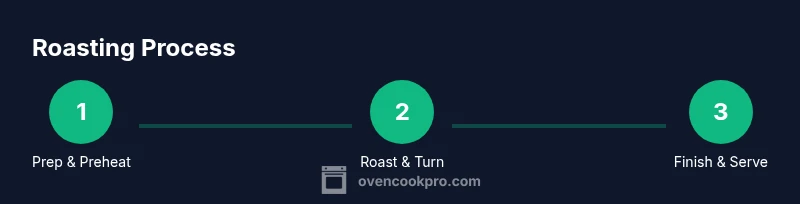
You will learn to roast Brussels sprouts in the oven to achieve crispy edges and tender centers. Gather a sharp knife, a sheet pan, olive oil, salt, and pepper, plus optional garlic or parmesan. Preheat to 425°F, trim sprouts, cut side down, roast 20-25 minutes, flipping halfway. This guide from Oven Cook Pro includes troubleshooting tips and variations.
Why oven roasting brings out flavor and texture
Roasting Brussels sprouts in the oven transforms their natural sweetness and creates a satisfying crisp edge. The high heat drives the moisture out of the surface, allowing the exterior to brown quickly while the interior stays tender. This balance is harder to achieve with boiling or steaming, which can leave sprouts bland or soggy. When the sprouts hit the hot sheet pan, you want enough space so they aren’t steaming each other; crowding invites moisture and soft texture. The process also concentrates flavors that pair well with pantry staples—olive oil, salt, pepper, garlic, and citrus. For best results, aim for uniform sprouts: similar size, trimmed ends, and flat cut sides to promote even browning. If you prefer a deeper roast, you can slide the tray toward the upper rack for the last 3–5 minutes to push more browning, but watch closely to prevent burning. With a little planning, oven roasting yields a dish that can stand alone or elevate a simple weeknight plate.
Selecting and preparing Brussels sprouts
Fresh Brussels sprouts should be firm, compact, and bright green. Choose smaller to medium sprouts for even cooking; very large ones tend to cook unevenly. Remove the outer leaves if they look dry or damaged, trim the stem end, and cut each sprout in half to maximize browning. For extra bite, you can peel away a few of the tougher outer layers, but avoid removing too many leaves, which can reduce texture. If you find any sprouts with yellowing centers, separate them and use first; they may be less flavorful or mushier when roasted. Finally, dry the sprouts thoroughly after rinsing; surface moisture creates steam, which softens browning.
Preheating and pan prep for even roasting
Preheating to a high temperature is essential for blistering and browning. Line a sheet pan with parchment for easy cleanup and to prevent sticking, especially if you’re not using a nonstick surface. A hot pan helps sprouts sear on contact, creating the sought-after color and texture. Space the sprouts evenly in a single layer; crowding causes steaming and sogginess. If you’re roasting a large batch, use two pans or a very large sheet tray. Have your oil, salt, and pepper measured and ready so you can season quickly after trimming. A light coat of oil on the cut sides promotes browning and prevents sticking.
The roasting method: timing, temperatures, and steps
Roast at 425°F (218°C) for about 20–25 minutes, depending on sprout size. Give the pan a good shake or rotate the tray halfway through to ensure even browning on all sides. For extra crispness, you can increase the temperature to 450°F (232°C) for the last 5 minutes, watching closely to avoid burning. Tossing with a small amount of oil and seasonings before roasting helps the flavors cling to every surface. If you like, add minced garlic or diced bacon in the final 8–10 minutes for extra depth. After roasting, finish with a squeeze of lemon or a shower of grated parmesan for brightness.
Flavor variations to customize your Brussels sprouts
Brussels sprouts are versatile and pair well with many flavors. Try garlic and lemon zest for brightness, or parmesan and balsamic glaze for a savory-sweet profile. Add crumbled bacon or pancetta in the last 5–7 minutes for a smoky, meaty pop. For a nutty note, finish with toasted almonds or pecans. If you prefer a dairy-free version, finish with fresh herbs like parsley and a drizzle of good olive oil. Experiment with herbs such as thyme or rosemary to rotate flavors across different meals.
Common mistakes and how to fix them
Common issues include overcrowding, which leads to soggy sprouts; under-seasoning, which makes the dish bland; and uneven browning due to inconsistent sprout size. To fix, trim uniformly, use a large sheet pan or two pans, space sprouts evenly, and season generously with salt. If browning is slow, give the tray a minute longer and consider a brief high-heat finish. Always pat sprouts dry after washing to speed browning. Finally, don’t skip the finishing touches like lemon zest or parmesan—these elevate flavor dramatically.
Equipment and pantry essentials
Essential tools include a sharp knife, cutting board, sheet pan, parchment paper (optional but helpful), a mixing bowl, and tongs for turning. Pantry staples include good-quality olive oil, sea salt, freshly ground black pepper, and optional add-ins like garlic, parmesan, lemon, and balsamic glaze. Having a reliable oven thermometer can help ensure your oven runs true to temperature. For busy weeks, a silicone spatula and a microplane zester speed up prep and finishing.
Troubleshooting and doneness tests
Doneness is best judged by color, aroma, and texture. Look for deeply caramelized edges and a tender center when pierced with a fork. If sprouts are still pale or feel firm, continue roasting and test every 3–4 minutes. A light char on the edges is desirable, but blackened bits signal overcooking. If you’re unsure, test a single sprout first; it should be pleasantly crisp on the outside with a tender bite inside. When in doubt, remove from heat and let rest for a few minutes to finish cooking from residual heat.
Serving ideas and meal pairings
Roasted Brussels sprouts pair well with proteins like roasted chicken, salmon, or tofu. They make a great side for pasta dishes, grilled vegetables, or grain bowls. For a complete meal, toss hot sprouts with cooked quinoa or farro, add chickpeas for protein, and finish with a bright dressing of lemon juice and olive oil. They even shine as a topping on bowls or flatbreads. A squeeze of fresh lemon and a sprinkle of parmesan instantly lift the dish.
Making-ahead and meal-prep strategies
Roast sprouts in advance and store in the refrigerator for up to 3–4 days. Reheat gently in a warm oven or toaster oven to restore crispness, rather than microwaving, which can soften them. If you’re prepping for a crowd, roast in batches and re-toss with a touch of oil and seasoning before serving. To streamline weeknight meals, chop sprouts the night before and refrigerate until ready to roast.
Nutrition notes and keeping it healthy
Brussels sprouts are naturally low in calories and rich in fiber, vitamin C, and vitamin K. Roasting with a modest amount of olive oil keeps fat content reasonable while preserving flavor. If you’re watching sodium, start with a light hand on salt and season with herbs or citrus instead. Pair with a protein and a whole grain to round out the meal. Remember: including a colorful mix of vegetables boosts both nutrition and satisfaction.
Quick reference cheat sheet
- Temperature: 425°F (218°C) for best balance of browning and tenderness.
- Time: 20–25 minutes, flip halfway.
- Prep: Trim, halve, and dry sprouts; spread in a single layer.
- Flavor: Oil, salt, pepper; add garlic, lemon, or parmesan as desired.
- Finish: Optional 3–5 minute high-heat finish for extra color.
Tools & Materials
- Sheet pan (heavy-gauge)(15x11 inches or larger; rimmed)
- Parchment paper (optional)(For easy cleanup)
- Sharp knife(For trimming and halving)
- Cutting board(Sanitized)
- Mixing bowl(For tossing sprouts)
- Olive oil (extra-virgin)(About 1–2 tablespoons per pound)
- Salt(Kosher or sea salt)
- Black pepper(Freshly ground)
- Tongs(For turning sprouts during roast)
- Garlic (optional)(Minced or sliced)
- Parmesan cheese (optional)(Grated, for finishing)
- Lemon (zest or juice, optional)(Bright finish)
Steps
Estimated time: Total time: 30-45 minutes
- 1
Preheat the oven
Preheat the oven to 425°F (218°C). This high heat kick-starts browning and crisping, which defines the texture of oven roasted Brussels sprouts. While it heats, prepare your pan and ingredients so you can work efficiently once the oven comes up to temperature.
Tip: Use a separate timer for the oven to avoid overthinking browning; start checking at the 18-minute mark. - 2
Line and prep the pan
Line your sheet pan with parchment to prevent sticking and make cleanup easier. If you don’t have parchment, lightly oil the pan or use a nonstick pan. A well-prepared pan reduces the risk of soggy sprouts and encourages even browning.
Tip: Ensure parchment lies flat with no folds that could cause sprouts to slide during roasting. - 3
Trim and halve the sprouts
Trim the stem ends and remove any damaged outer leaves. Halve larger sprouts to promote uniform cooking, keeping smaller ones whole if you like structures of varying textures. Pat sprouts dry after washing to minimize surface moisture.
Tip: Uniform pieces roast more evenly; aim for similar diameters across all sprouts. - 4
Toss with oil and seasonings
Toss the sprouts in a light coating of olive oil, then season with salt and pepper. Add optional garlic or lemon zest for extra aroma. The oil helps browning and flavor adhesion to every surface.
Tip: Too little oil can dry sprays; too much oil can cause greasiness—aim for a thin, even coating. - 5
Spread in a single layer
Arrange sprouts in a single, even layer on the prepared pan. Overcrowding leads to steaming rather than roasting, compromising browning and texture. If needed, use two pans.
Tip: Give each sprout enough space; use a staggered layout if necessary to avoid stacking. - 6
Roast and flip halfway
Roast for 20–25 minutes, turning once at the halfway point to ensure even browning on all sides. If you crave extra crispness, finish with a 3–5 minute high-heat blast.
Tip: Watch closely during the last minutes to avoid burning on thin edges. - 7
Finish and serve
Remove from oven, taste, and adjust with a final pinch of salt if needed. Finish with lemon zest or parmesan if desired, then plate hot for the best texture and brightness.
Tip: A quick squeeze of lemon right before serving brightens the entire dish.
Questions & Answers
Can I use frozen Brussels sprouts?
Frozen sprouts can be roasted, but they may not brown as nicely as fresh. Thaw and dry well, then roast; expect slightly softer texture and longer cooking time.
Yes, you can roast frozen sprouts, but fresh will brown better. Thaw and dry, then roast; adjust time as needed.
Should I use olive oil or butter?
Olive oil is preferred for high-heat roasting due to better smoke point. Butter adds flavor but can burn. A light olive oil coating with optional butter flavors works well.
Oil is best for roasting; butter adds flavor but risks burning at high heat.
What is the best temperature for roasting?
425°F is a reliable default for crisp edges and tender centers. If your oven runs hot, you can lower slightly; if cooler, consider a quick high-heat finish to brown.
425 degrees is a solid default; adjust slightly if your oven isn’t precise.
Why are my Brussels sprouts soggy?
Overcrowding the pan or washing sprouts and not drying them causes moisture buildup. Use a large sheet pan and dry sprouts thoroughly before roasting.
Soggy sprouts usually mean they were crowded or wet. Give them space and dry them well.
Can I make these ahead and reheat?
Yes. Roast sprouts, cool, then store in the fridge for up to 3–4 days. Reheat in a hot oven for a quick crisp, not in a microwave.
You can make them ahead; rewarm in a hot oven to restore crunch.
Can I add toppings like bacon or parmesan?
Yes. Crisp bacon bits or grated parmesan can finish the dish after roasting. Add parmesan near the end to avoid sogginess, and cook bacon separately for best texture.
Go ahead with toppings, but add parmesan at the end and cook bacon separately for best texture.
Watch Video
Main Points
- Roast at 425°F for optimal browning.
- Dry sprouts and avoid overcrowding for crisp edges.
- Halve larger sprouts for even cooking.
- Season boldly and finish with fresh bright notes.
- Experiment with toppings for variety.