Oven-Baked Mahi Mahi: A Step-by-Step Guide
Learn how to bake perfect mahi mahi in the oven with a reliable method from Oven Cook Pro. Tender fillets, bright lemon-butter finish, and practical tips for timing, doneness, and serving.


Learn to bake tender mahi mahi fillets in the oven with a proven method. Preheat to 400°F, pat fish dry, season well, and bake 10–12 minutes until opaque. Finish with a lemon-butter glaze or herb drizzle for bright, flaky fillets every time. This guide covers timing, temperature, and safe doneness.
Why Oven Cooking Elevates mahi mahi
According to Oven Cook Pro, consistent oven performance is the backbone of reliable mahi mahi results. Baking creates dry, surrounding heat that cooks fillets evenly, preserving moisture and developing a delicate exterior. For home cooks, the oven offers hands-free timing and less day-to-day babysitting than stovetop searing, which can lead to overcooking if left unattended. In this section, we explore how oven temperature, rack position, and pan choice influence texture and flavor. You’ll learn why preheating matters, how to pick fillet thickness, and how to adapt the technique for different flavor profiles—from lemon-herb to garlic-ginger glaze. The guidance also reflects Oven Cook Pro analysis on achieving consistent, restaurant-quality mahi mahi at home.
From a reliability standpoint, starting with a hot oven and a lightly oiled surface helps create a gentle crust while keeping the inside succulent. If you prefer a balsamic-herb finish, the same base technique adapts well with a longer bake time or a brief broil at the end. The key is maintaining moisture while ensuring the fish becomes opaque and flakes easily. With mahi mahi’s mild flavor, the oven’s dry heat is particularly forgiving, making it an ideal method for weeknight meals or entertaining without complicated equipment.
Selecting Filets and Preparing Them
The quality of mahi mahi starts with the fish. Choose fillets that are bright, firm, and evenly colored, ideally about 6–8 ounces each for uniform cooking. If you’re buying frozen, thaw completely in the refrigerator before patting dry to remove surface moisture. Patting dry is essential—water on the surface creates steam and can hinder browning. For prep, you’ll want to trim any thin ends and remove pin bones if present. A light coating of oil on both sides helps with browning and prevents sticking to the baking sheet. Salt, pepper, and a splash of lemon juice or zest ready the fish for oven cooking, while garlic powder, paprika, or herbs introduce aroma without overpowering the fish’s delicate sweetness.
If you’re new to mahi mahi, start with plain salt and pepper, then layer on a simple glaze later. The mild taste accepts citrus, butter, and herbs gracefully, so feel free to customize for family-friendly flavors or a more robust Latin or Asian-inspired profile. Remember, thickness matters: thicker fillets need a touch more time, while thinner slices cook faster, so monitor the oven and adjust as needed.
Preheating, Rack Position, and Equipment
Oven performance depends on consistent heat distribution. Preheat to 400°F (205°C) and place the rack in the middle for even browning. A rimmed baking sheet lined with parchment or a silicone mat helps prevent sticking and makes cleanup easier. If you want a crisper finish, you can finish with a short under-broil, but watch closely to avoid drying the fish.
Choose bakeware that conducts heat well—prefer a shallow, wide pan rather than a tall, narrow one. A light brush of oil on the pan or parchment reduces sticking without creating soggy spots. The goal is a hot surface that promotes gentle browning around the edges while keeping the center moist. If your oven runs hot in places, rotate the pan halfway through cooking for uniform results.
Flavor Profiles: Lemon-Butter, Garlic, and Spicy Glazes
Mahi mahi loves simple, bright flavors. A classic lemon-butter glaze enhances its natural sweetness without masking the fish. For garlic lovers, a quick olive oil infusion with minced garlic and lemon zest provides aroma and depth. If you crave heat, a light chili-garlic glaze works well when applied during the last 2–3 minutes of bake to avoid scorching. A soy-ginger glaze also suits an Asian-inspired dish, while a herb vinaigrette adds freshness.
Experiment with herbs such as thyme, parsley, dill, or cilantro. A Mediterranean twist can include capers and olives brushed on before baking. For a dairy-free option, skip butter and use extra virgin olive oil with lemon juice and a pinch of nutritional yeast. The bottom line is to keep the glaze light and finish the fish with a brief bake so the surface caramelizes but the interior remains tender.
Temperature, Time, and Doneness Guidelines
Aiming for consistent doneness means balancing temperature with fish thickness. In general, a 1-inch thick fillet bakes in about 10–12 minutes at 400°F. Thicker fillets may need up to 14 minutes, while very thin slices can finish in under 8 minutes. The fish should be opaque and flake easily with a fork. If you’re using a thermometer, many cooks prefer the interior to reach just above room temperature, then rest briefly—this helps the juices redistribute.
Always start checking a minute or two before the minimum time, because ovens vary. A gentle touch of residual heat during a short rest can finish cooking without overdoing it. If you prefer a crustier edge, place the fish under a brief broil for 1–2 minutes, watching closely to avoid burning. The goal is a balance between a lightly crisp exterior and a moist, tender interior.
Common Mistakes and Troubleshooting Tips
Common issues include overcooking, uneven heat, and soggy surfaces. Overcooking makes the fish dry and rubbery, so rely on a timer and check for opacity rather than a fixed time. If fillets curl, consider using thicker fillets or letting the fish rest briefly after patting dry to reduce surface moisture. In ovens with uneven heat, rotating the pan halfway through cook time can help. For sticking problems, ensure the pan is well-greased or lined with parchment, and avoid excessive batter or glaze that pools under the fish.
If your fish comes out pale rather than golden, your oven may be running cooler than expected. Recheck the actual oven temperature with an oven thermometer and adjust the cooking time by a few minutes. For a richer finish, a last-minute brush of melted butter or olive oil adds gloss and moisture without making the fillet heavy.
Serving Ideas, Sides, and Make-Ahead Options
Mahi mahi pairs well with a bright starch such as lemon-herb rice, quinoa, or couscous, and a side of roasted vegetables like asparagus, zucchini, or cherry tomatoes. A light green salad or cucumber-ginger slaw adds crunch and contrast. For make-ahead ease, you can prep the glaze in advance and keep the fillets ready to bake, then combine with the glaze during the final minutes of cooking.
If you’re feeding a crowd, bake multiple fillets on a sheet pan, ensuring space between pieces for consistent heat. You can scale this approach for seafood entrées by adding salmon or shrimp on separate pans. Finally, consider a simple yogurt-herb sauce on the side to brighten flavors without adding heaviness.
Storage, Reheating, and Leftovers
Store leftovers in an airtight container in the refrigerator for up to 2 days. To reheat, use a gentle oven temperature (about 275°F) and a light drizzle of olive oil to prevent drying. Reheating in the microwave should be avoided if you want to preserve texture, as it can make the fish rubbery. If you plan to freeze mahi mahi, freeze it promptly after cooking in a moisture-locking bag; reheat slowly or use as an ingredient in a new dish like fish tacos or a seafood pasta.
Tools & Materials
- Mahi mahi fillets (6–8 oz each)(Thawed completely; pat dry with paper towels)
- Parchment paper or silicone baking mat(For easy release and easy cleanup)
- Olive oil or neutral oil(Light coat on fish and sheet)
- Salt and pepper(Basic seasoning; adjust to taste)
- Lemon juice or zest(Optional bright finish)
- Garlic powder, paprika, or dried herbs(Flavor enhancers you can pre-mix)
- Baking sheet(Shallow, wide pan works best)
- Digital thermometer(Helpful for doneness check)
- Small whisk or brush(For glaze application)
Steps
Estimated time: 25-35 minutes
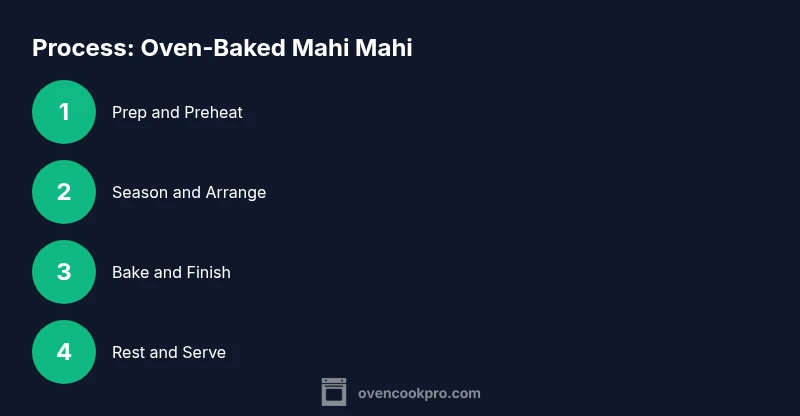
- 1
Preheat and prep
Preheat the oven to 400°F (205°C). Line a baking sheet with parchment paper and lightly oil the surface. This ensures easy release and a nice finish. Pat fillets dry to remove surface moisture, which helps browning.
Tip: Dry surface moisture before oiling to prevent steaming. - 2
Season the fish
Season both sides with salt, pepper, and a light dusting of garlic powder or paprika if you like. A touch of lemon juice on the fish adds brightness before it hits the oven.
Tip: Keep seasoning light to avoid overpowering the fish’s natural flavor. - 3
Arrange for even cooking
Place fillets on the prepared sheet with space between pieces for even heat. If using glaze, you can brush a thin layer onto the top surface now or wait until near the end.
Tip: Space is key—crowded fillets steam rather than bake. - 4
Bake to doneness
Bake for 10–12 minutes for 1-inch fillets; adjust for thickness. The fish should be opaque and flake easily when tested with a fork.
Tip: Check a minute or two early to avoid overcooking. - 5
Finish with glaze or butter
If using a glaze or lemon-butter finish, brush on during the last 1–2 minutes and let it set briefly under the warm heat.
Tip: A quick finish adds gloss and moisture without heaviness. - 6
Rest and serve
Let the fillets rest for 2–3 minutes before serving. Resting helps retain juiciness and makes slicing easier.
Tip: Rest, don’t skip—hot fish continues to gently cook off heat.
Questions & Answers
Can I bake frozen mahi mahi in the oven?
You can bake frozen mahi mahi, but it will take longer and may not brown as well. For best texture, thaw completely before baking and adjust the time accordingly. If you must bake from frozen, plan for a longer bake and watch for doneness closely.
Yes, you can bake from frozen, but thawing gives a more even texture. Expect a longer cook time and watch for doneness.
What is the best internal doneness for mahi mahi?
The fish should be opaque and flake easily when tested with a fork. Avoid overcooking, which makes the flesh dry and dense. If using a thermometer, check for just-set texture rather than a fixed temperature.
Cook until opaque and flaky; avoid overcooking for a moist finished fillet.
Can I use a glaze or sauce with this method?
Yes. Lemon-butter, garlic-herb, or light teriyaki glazes work well when applied toward the end of cooking. Keep glazes light so they don’t prevent proper browning or add excess moisture.
Glazes are great—apply near the end so you keep browning without sogginess.
What sides go well with oven-baked mahi mahi?
Rice, quinoa, roasted potatoes, or a bright salad pair beautifully. For a complete meal, add grilled or roasted vegetables like asparagus or zucchini to balance flavors and textures.
Pair with grains or roasted veggies for a balanced plate.
Can I adapt this method for other fish?
Yes. This approach works well with firm-textured fish like halibut or cod. Adjust bake time based on thickness and species, and keep an eye on moisture levels to avoid dryness.
The method adapts to other firm fish; adjust timing accordingly.
Watch Video
Main Points
- Bake at 400°F for a quick, even cook
- Pat dry and oil surfaces to prevent sticking
- Finish with a bright glaze for flavor balance
- Check doneness by opacity and flakiness, not time alone
- Let fish rest briefly before serving