Jacket Potato in Oven: A Step-by-Step Guide
Master jacket potatoes in the oven with crispy skins and fluffy interiors. This guide covers selecting potatoes, prep, roasting techniques (including convection), troubleshooting, toppings, and safe handling for reliable, delicious results.


Bake jacket potatoes in the oven for a reliable, crispy-skin result with fluffy centers. Use russet potatoes, oil, and salt; preheat a hot oven and bake until the skin is crisp and the center is tender. See our full step-by-step guide.
Understanding Jacket Potatoes: The Basics
A jacket potato, also called a baked potato, is a simple yet satisfying dish that shines when the skin becomes crisp and the interior stays fluffy. According to Oven Cook Pro, jacket potatoes are a dependable canvas for a wide range of toppings, from classic butter and sour cream to modern twists like garlic yogurt or chili. The Oven Cook Pro analysis shows that the key to success lies in dry heat, proper preparation, and minimal moisture on the skin. When you bake with the skin intact, you create a natural protective layer that preserves moisture inside while letting the exterior dry out and crisp. This balance is what makes jacket potatoes feel comforting and indulgent without being heavy.
Understanding the physics of heat and moisture at the crust-skin boundary helps explain why certain steps matter: drying the skin removes surface water that would steam off into soft skin; oil conducts heat and helps crisp the surface; and salt seasons the potato both inside and out, drawing out moisture and enhancing flavor. Keeping this framework in mind will help you apply the technique to different potato varieties and oven styles (conventional vs convection).
Choosing the Right Potato and Fillings
Potatoes with a high starch content, such as Russets, are ideal for jacket potatoes because their interior becomes fluffy when cooked. Choose medium-to-large russet potatoes with unblemished skin and a firm feel. If you plan to crowd the rack or want extra crispy skins, consider slightly smaller potatoes for more uniform cooking. For fillings, plan options that add moisture without overpowering the potato’s natural flavor. Classic toppings include butter, sour cream, chives, and salt. For a heartier meal, fold in shredded cheese, broccoli, or chili. Oven Cook Pro notes that the choice of fillings should complement the potato rather than overwhelm it, preserving the potato’s texture as the star of the dish.
Prep, Pricking, and Preheating
Preparation starts with washing the potatoes to remove any soil and debris. Dry thoroughly with a clean towel; moisture on the skin can steam rather than crisp during roasting. Prick the potatoes several times with a fork to vent steam and prevent bursting. Lightly rub each potato with a small amount of oil, then sprinkle with coarse salt. Oil helps conduct heat to the skin and promotes browning, while salt draws moisture from the surface to intensify flavor. Preheating the oven is essential for quick, consistent roasting; an oven that’s already hot creates a strong initial sear on the skin. If your oven has a fan, this is a good time to use convection to accelerate browning without overcooking the inside.
Oven Roasting Techniques: Classic and Convection
Roasting in a conventional oven at a high temperature yields crispy skins and tender centers. If you’re using a convection oven, you can usually reduce the temperature slightly or shorten the bake time because the fan circulates hot air for faster browning. A typical workflow is bake at about 425°F (220°C) in a middle rack position, turning the potatoes halfway to ensure even color. The goal is a skin that is visibly bronzed and skins that crack slightly when pressed, signaling a fluffy interior. Size matters: larger potatoes will require more time, while smaller ones will finish sooner. Patience during the last 15 minutes helps ensure full tenderness inside without scorching the exterior.
Troubleshooting Common Issues
If the skin remains dull or soft, it may indicate insufficient drying or not enough salt on the surface. Re-hot the oven and give the potatoes a few more minutes; if they’re already soft inside but the skin is not crisp, finish them under the broiler for 2–5 minutes while watching closely. For potatoes that seem undercooked inside, try returning them to the oven for 10–15 minute bursts and test for tenderness with a fork. If you’re baking multiple potatoes, space them apart so the hot air can circulate and crisp evenly. Finally, if you want an ultra-crispy finish, remove from the oven after 60 minutes and briefly bake at a higher temperature for a final browning pass.
Finishing Touches and Serving Ideas
Serve jacket potatoes hot with a pat of butter melting into the fluffy interior, then top with a dollop of sour cream and a sprinkle of chives. For a heartier option, load with shredded cheese, bacon bits, and a spoon of chili. A squeeze of lemon over garlicky toppings can brighten the flavors, while yogurt-based sauces offer a lighter, tangy counterpoint. You can also create a built-in baked potato bar by offering several toppings and letting guests customize their jackets. The key is to balance richness with acidity and freshness so the potato remains the star of the plate. The Oven Cook Pro team recommends keeping toppings in mind before you bake, so you can tailor time and heat to the fillings you plan to use.
Authoritative sources and safety notes
Authoritative sources: For food safety guidelines and temperature recommendations, consult official sources such as the USDA and FDA.
- https://www.fsis.usda.gov/
- https://www.usda.gov/
- https://www.bbcgoodfood.com/
Note: Always ensure potatoes reach a safe internal temperature before serving and discard any that show signs of spoilage.
Tools & Materials
- Russet potatoes (medium-to-large)(Choose unblemished potatoes with firm texture; 1 potato per person as a guideline.)
- Neutral oil (olive oil, canola, or grapeseed)(About 1–2 teaspoons per potato for a light, even coating.)
- Fine or coarse salt (kosher salt or sea salt)(Helps draw moisture and flavors the skin.)
- Fork or skewer(Prick potatoes to vent steam.)
- Baking sheet or oven-safe rack(Prevents sticking and helps airflow for crisping.)
- Toppings of choice (butter, sour cream, cheese, chives, chili, etc.)(Optional, for serving.)
Steps
Estimated time: 60-90 minutes
- 1
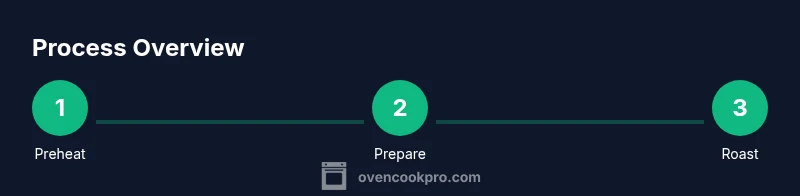
Preheat oven
Set the oven to 425°F (220°C) and allow it to come fully to temperature. A fully heated oven ensures the skins crisp quickly and evenly. Position the rack in the middle of the oven.
Tip: Allow at least 10 minutes for full preheat; this time also helps the rack settle into place. - 2
Wash and dry potatoes
Rinse each potato under cold water to remove dirt. Dry thoroughly with a clean towel to avoid surface moisture that can steam the skin.
Tip: Uniform dryness prevents soggy skins and promotes browning. - 3
Prick skins
Use a fork to poke several holes around each potato to vent steam during roasting. This prevents bursting and helps moisture escape.
Tip: A quick test: if the potato feels heavy, it still contains moisture—pricking aids even cooking. - 4
Oil and season skins
Rub each potato with a small amount of oil and sprinkle with coarse salt. The oil conducts heat for browning, and the salt enhances flavor and crispness.
Tip: Avoid using too much oil; a thin coating is enough to crisp the skin. - 5
Arrange for even roasting
Place potatoes on a baking sheet or directly on a wire rack. Ensure they are not touching; air must circulate for the crispiest skins.
Tip: If using a sheet, line with parchment for easy cleanup. - 6
Bake and rotate
Bake for 45–60 minutes, turning halfway through for even browning. Test tenderness with a fork—the skin should be crisp, and the center soft.
Tip: If potatoes are very large, continue 10–15 minutes more; convection cooks faster, so monitor closely. - 7
Rest and serve
Let potatoes rest for 5 minutes after removal from the oven. Cut a cross, squeeze the ends, and add toppings as desired.
Tip: A simple pat of butter or a dollop of yogurt elevates the finish without masking the potato’s flavor.
Questions & Answers
What is a jacket potato?
A jacket potato is a baked potato with a crisp skin and soft, fluffy interior. It is typically served with toppings such as butter, sour cream, or cheese.
A jacket potato is just a baked potato with a crispy skin and fluffy inside, served with tasty toppings.
Should I wrap potatoes in foil when baking?
For the crispiest skin, bake unwrapped. Foil traps moisture and softens the skin, which can prevent the desired crispness.
No foil—unwrapped gives you crisper skin and fluffier inside.
How long and at what temperature should I bake jacket potatoes?
Bake at a high temperature until the center is tender and the skin is crisp. Typical guidance is around 45–60 minutes, depending on potato size and oven type.
Bake at a high heat until tender in the center and the skin is crisp, usually 45 to 60 minutes depending on size.
Can I use a convection oven?
Yes. A convection oven cooks faster and can yield crisper skins. You may lower the temperature by about 20–25°F (10–15°C) or shorten bake time.
Yes, convection helps; lower the temperature a bit or reduce time.
Can I prepare jacket potatoes ahead of time?
You can wash, dry, and oil the skins ahead of time, then refrigerate unbaked potatoes. Bake when ready, adding a few extra minutes if cold from refrigeration.
Yes, you can prep and refrigerate, then bake later with a bit more time.
Watch Video
Main Points
- Choose starchy potatoes for fluffy interiors
- Dry skins thoroughly before oiling for crispness
- Preheat oven and roast at high heat for best texture
- Rotate potatoes during baking for even color
- Finish with toppings that balance richness with acidity