Flounder in Oven: Step-by-Step Cooking Guide
Learn how to bake flounder in oven for flaky, tender fillets. This step-by-step guide covers selection, prep, seasoning, timing, and safety to help home cooks achieve delicious results with minimal effort.


You will reliably bake flounder in oven to flaky, tender fillets using simple pantry ingredients. You’ll need a fish, oil or butter, lemon, salt, pepper, and parchment-lined sheet pan. This guide offers a clear, step-by-step method, plus timing and safety notes to prevent overcooking. Expect moist flesh with delicate sweetness when you bake flounder in oven according to the Oven Cook Pro method.
Why flounder in oven is a reliable method
Flounder in oven is a reliable, forgiving way to cook this delicate white fish. The steady, dry heat of baking helps preserve moisture and produce an even, flaky texture without the need for constant attention. For home cooks, this approach reduces variability that can come with pan-searing or sautéing, especially when thickness varies between fillets. According to Oven Cook Pro, this method works best when the oven is fully preheated and the fillets are evenly sized. The Oven Cook Pro team found that oven-baking is particularly forgiving for mid-sized fillets and thinner portions, making flounder in oven a repeatable technique you can rely on week after week. When you bake flounder in oven, you’ll usually see clean edges, minimal browning around the margins, and very little cleanup required. This section explains why this method works and how you can optimize it for best results, including how thickness, pan choice, and seasoning influence outcomes. In 2026, this method remains a cornerstone for dependable home cooking of flounder in oven.
Selecting and preparing flounder for the oven
The key to a great flounder in oven starts with choosing the right fish and preparing it properly. Look for firm, white flesh with a clean, ocean-like aroma. If you’re buying fillets, check for even thickness so they cook uniformly. Fresh fillets are ideal, but thawed frozen fillets also work well if thawed completely and patted dry. Patting the fillets dry is essential; moisture on the surface can hinder browning and even cooking. After drying, brush lightly with olive oil or melted butter to help the seasonings adhere and to seal in moisture. Season simply with salt and pepper, and add a little lemon juice or zest if you like a bright finish. For extra flavor, you can include a whisper of garlic or herbs such as dill, parsley, or chives, but avoid overpowering the delicate fish. The goal is to prepare the flounder in a way that highlights its natural sweetness and keeps the meat tender. Once prepped, set the fillets on a parchment-lined sheet and proceed to the pan preparation. When you bake flounder in the oven, the fish cooks evenly from edge to center, producing reliable results even with modest kitchen equipment. This careful selection and prep set the stage for consistently excellent results when you bake flounder in the oven.
Prepping the pan and seasonings
A parchment-lined, rimmed baking sheet is ideal for flounder in oven because it prevents sticking and makes cleanup a breeze. Lightly oil the parchment or use a nonstick coating to ensure an easy release. Place the fillets with space between them so hot air can circulate and crisp the edges. Seasoning should be straightforward: a light coat of olive oil or a knob of melted butter, a pinch of salt, and freshly ground black pepper. A squeeze of lemon over the fillets after baking brightens the flavor without cooking off the citrus oils. If you enjoy extra aroma, add finely chopped garlic or fresh herbs such as dill or parsley, but avoid heavy mixtures that mask the fish. For thicker fillets, you can rotate the tray halfway through to promote even browning. This setup keeps the flounder in oven cooking predictable and consistent, giving you a tender interior and a tasteful, slightly crisp exterior. Remember: the simpler the seasoning, the more the delicate flavor of the fish can shine in the finished dish.
The oven technique: temperature, timing, and doneness
The temperature you choose depends on your oven and the fillet thickness, but a common range for flounder in oven is 375-425°F (190-218°C). A typical 1-inch fillet bakes in roughly 8-12 minutes; thicker portions may need a few extra minutes. Start checking for doneness around the 8-minute mark by testing the flesh with a fork: it should be opaque and flake easily. If the center remains translucent, give it another 1-3 minutes and recheck. Avoid overcooking, which dries delicate flounder and results in a crumbly texture. For a deeper color and crisper edges, you can finish with a 30-60 second flirt with broil, but watch closely so you don’t scorch. The key to success is consistent heat and proper spacing so the fish cooks evenly from edge to center. If you prefer, you can remove the pan from the oven a minute or two before the expected doneness and let residual heat finish the cooking. The Oven Cook Pro team emphasizes that preheating to the target temperature and using a timer helps you achieve reliable, repeatable results when you bake flounder in oven.
Troubleshooting and common errors
Common mistakes when baking flounder in oven include overcooking, crowding the pan, and using too much oil, which can lead to greasy fillets. If the fish looks opaque on the outside but remains translucent in the center, it’s likely undercooked; remove it from heat and let rest briefly, but do not continue cooking off heat as residual heat will continue to carry the doneness forward. Crowding the pan traps steam and creates a soggy texture; give each fillet space and consider baking in two batches if you have many fillets. For crisp edges, ensure a parchment barrier and an even, light coating of oil; too much oil can pool and steam the surface rather than sear. If fillets stick, double-check that the parchment is nonstick and that you’ve pat dried the fish well. A final tip: finish with a light squeeze of lemon after cooking to brighten the dish without washing away the delicate aroma. Also, always verify your oven temperature with a thermometer to prevent unexpected undercooking or browning. With these adjustments, your flounder in oven will reliably come out moist, flaky, and flavorful.
Authority sources and further learning
Here are trusted resources to deepen your understanding of oven cooking fish and safe handling:
- FDA: Safe cooking temperatures for seafood and general food safety guidelines. https://www.fda.gov/food-safety
- FSIS: Cooking times and temperatures for fish and best practices. https://www.fsis.usda.gov
- Oregon State University Extension: Home cooking tips for fish, including baking and flavor pairings. https://extension.oregonstate.edu
Tools & Materials
- Fresh flounder fillets (6-8 oz each)(Choose uniform thickness for even cooking)
- Olive oil or melted butter(Light coating to help browning and moisture retention)
- Lemon (sliced or wedges)(Brightens flavor; add after baking for best aroma)
- Salt and freshly ground black pepper(Season generously but evenly for balance)
- Parchment paper(Prevents sticking and eases cleanup)
- Rimmed baking sheet(Prevents juices from running off the pan)
- Garlic or fresh herbs (optional)(Use in small amounts to avoid overpowering the fish)
- Kitchen thermometer (optional)(Helps verify doneness if desired)
Steps
Estimated time: 30-45 minutes
- 1
Prepare fish and equipment
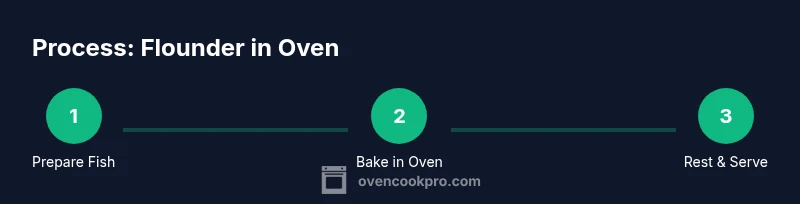
Rinse and thoroughly pat dry the fillets. Preheat the oven to 375-425°F and line a rimmed baking sheet with parchment. Lightly oil the parchment to ensure easy release. This ensures even moisture retention and a clean bake.
Tip: Dry fillets completely to prevent steaming and soggy edges. - 2
Position and season fillets
Place fillets on the parchment with space between pieces. Brush lightly with oil or melted butter, then season with salt and pepper. If using, add a small lemon slice or a whisper of garlic for aroma.
Tip: Keep seasoning light to let the fish shine. - 3
Set oven and bake
Slide the pan into the preheated oven. Bake for about 8-12 minutes for 1-inch fillets; thicker pieces may need a few extra minutes. Check doneness by the flesh turning opaque and flaking easily.
Tip: Use a timer to avoid guesswork and protect the delicate meat. - 4
Test for doneness
Gently test with a fork; it should flake and separate into clean layers. If not fully opaque, give it another 1-2 minutes and re-check. Avoid overcooking to maintain moisture.
Tip: Residual heat continues cooking after removal; plan accordingly. - 5
Finish and serve
Remove from oven and rest 2-3 minutes. Squeeze fresh lemon over the fillets and serve with light sides like roasted potatoes or a simple green salad.
Tip: Resting helps redistribute juices for a juicier bite. - 6
Optional enhancements
If you want a bit more color, broil for 30–60 seconds at the end, watching closely to avoid burning. This step is optional and should be fast to keep delicate texture.
Tip: Stay vigilant during broil to prevent scorching.
Questions & Answers
What temperature is best for flounder in oven?
A moderate oven around 375-400°F (190-205°C) works well for most fillets. Adjust within this range based on thickness and oven performance.
Bake at a moderate 375 to 400 degrees for most fillets; adjust if thicker fillets need more time.
Should I bake with skin on or skin off?
Skin helps protect the flesh and can crisp nicely during baking. If you prefer, you can remove it after baking or bake skinless fillets for a lighter result.
You can bake with the skin on for protection and crispness, or skinless if you want a leaner finish.
Can I use frozen fillets for this method?
Yes, but thaw completely and pat dry before baking to ensure even cooking. Frozen fillets may take a minute longer but can work with proper prep.
Frozen fillets can work if thawed and patted dry before baking.
Is parchment paper necessary?
Parchment paper is highly recommended as it prevents sticking and makes cleanup easy. You can use a lightly oiled pan as an alternative.
Parchment helps prevent sticking and keeps cleanup simple.
What sides pair well with flounder baked in the oven?
Light, bright sides like lemony greens, roasted potatoes, or a crisp salad complement the delicate fish without overpowering it.
Lemony greens or roasted potatoes pair nicely with baked flounder to keep the meal balanced.
Watch Video
Main Points
- Master flounder in oven with simple ingredients
- Keep fillets evenly sized and spaced for even cooking
- Avoid overcooking; look for opaque, flaky flesh
- Finish with fresh lemon for bright, balanced flavor