Do You Need to Flip Chicken in the Oven? A Practical Guide
Discover whether you should flip chicken in the oven. Learn timing, heat, and technique for juicy, evenly cooked poultry with practical tips and safe temps.


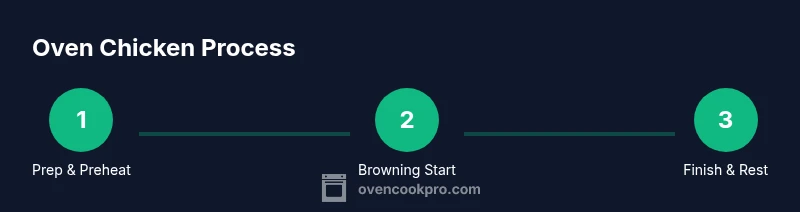
Do you need to flip chicken in the oven? Often not. For juicy, even results, start with the skin-side down to promote browning, then finish with skin-side up if you want extra crispness. The need to flip depends on cut, fat distribution, and oven style. In many recipes, flipping is optional and can be skipped for simplicity.
Why the question matters: do you need to flip chicken in the oven
Cooking chicken in the oven is a reliable way to produce juicy meat and a crisp, flavorful skin. The question do you need to flip chicken in the oven is one of the most common debates among home cooks. The simple answer: not always. The method you choose should depend on the cut, whether the skin is on, and your oven's behavior. According to Oven Cook Pro, starting with the skin-side down often yields the best browning and helps render fat, but flipping during cooking is rarely required for safety or doneness. The broader idea is to optimize heat transfer, placement, and timing rather than perform flip after flip. By understanding how these variables interact, you can decide whether to flip or not flip with confidence, achieving reliable results with less fuss. In this guide, we explore why you might flip, when it’s helpful, and how to tailor the approach to bone-in breasts, thighs, wings, or whole birds.
What flipping does for browning and cooking
Flipping chicken in the oven changes which side gets direct exposure to heat and air flow. When you cook skin-side down, you maximize browning on the skin and help render surface fat, which can improve texture and moisture. Flipping mid-cook can promote more even interior doneness, especially for evenly thick pieces. However, excessive flipping interrupts heat contact and can cool the surface, slowing the Maillard reaction that gives brown, flavorful skin. Convection ovens circulate air, which can enhance browning whether or not you flip, but the core principle remains: timing, heat, and air exposure drive texture more than routine turning. In many home-cooked scenarios, you’ll achieve excellent results without flipping at all, simply by choosing the right rack position and letting the oven’s heat do the work.
When to flip: timing by cut and oven method
The decision to flip depends on the chicken cut and your oven’s behavior. For bone-in pieces like thighs and drumsticks, you may choose to flip once halfway through to ensure the interior reaches the target doneness without drying the skin. For boneless breasts, flipping is often unnecessary if you start with skin-side down and finish with a brief resting period. In convection ovens, browning tends to occur more evenly, which reduces the need to flip. If you are cooking a whole chicken, starting skin-side down can encourage a crisp exterior, and a single turn mid-cook can help balance breast and leg doneness. If you’re short on time, rely on the oven’s airflow and a thermometer rather than frequent flipping.
Oven types and their impact on flipping
Conventional ovens rely on radiant heat from the top and bottom, so skin exposure and placement matter more for browning. Convection ovens use a fan to circulate hot air, which accelerates browning and can achieve even results with less flipping. When using convection, you may reduce cooking time slightly and still avoid flipping, provided you monitor the internal temperature. Always allow for oven temperature stability by preheating fully and giving the air a moment to circulate before placing the pan. If you find that skin browns too quickly while the interior lags, a brief tent with foil can help prevent over-browning while the center finishes.
Achieving even cooking: heat, placement, and rest
Even cooking is about heat balance, piece spacing, and resting the meat. Place chicken pieces on a rimmed baking sheet with a wire rack when possible to promote air circulation underneath. Leave space between pieces so hot air can reach surfaces all around. Pat dry to remove surface moisture that can steam the skin rather than crisp it. Start with a hot oven heat to encourage rapid browning, then adjust as needed based on color and internal temperature. After removing from the oven, let the meat rest for several minutes to redistribute juices and finish carryover cooking. These practices, not constant flipping, deliver reliably moist meat with well-developed crust.
Common mistakes and how to fix them
Overcrowding the pan leads to steaming instead of browning. Dry surfaces with paper towels before roasting, and use a rack to elevate meat. Cooking straight from cold to hot reduces browning and prolongs time to doneness. If skin isn’t browning, increase the heat slightly for the first 5–10 minutes or finish under the broiler for a short period, watching closely. Frequent flipping disrupts heat flow and can dry out meat; flip only if you notice uneven browning or thick cuts that need more interior heat. Finally, rely on a thermometer rather than time alone to determine doneness. Small adjustments based on your oven’s quirks can produce consistent results.
Food safety and temperature targets for oven-roasted chicken
Safe handling starts with clean surfaces and dry hands. The goal is to reach an internal temperature that assures doneness without overcooking. Most cooks aim for an interior temperature around 165°F (74°C) for chicken in the breast or thigh, but some prefer a slightly higher target in dense pieces. Use an instant-read thermometer inserted into the thickest part, avoiding bone contact. Let the poultry rest after removal from the oven to allow juices to redistribute. Remember to refrigerate leftovers promptly and reheat to a safe temperature before serving again.
Practical kit and tools for oven chicken
Having the right tools makes a big difference. Essentials include a rimmed baking sheet and a wire rack for airflow, silicone tongs for flipping-safe handling, a high-quality meat thermometer for accurate doneness, and a sturdy oven mitt. Extra items such as a basting brush, parchment paper for easy cleanup, and a light oil spray can simplify prep and browning. Keep a timer handy and ensure your pan is dry before loading to maximize browning. For easier cleanup, line the sheet with parchment or foil, removing the need to scrub after roasting.
Flavor variations and marinating tips
Flavor is flexible with oven roasted chicken. A simple mix of olive oil, garlic, salt, and your favorite herbs works beautifully, but you can experiment with citrus zest, paprika, cumin, or chili flakes for a regional twist. If you prefer a marinade, aim for 30–60 minutes for smaller cuts or several hours for larger pieces, then pat dry before roasting to maintain crisp skin. For extra juiciness, consider brining or brining-like solutions for a short period before roasting, which can help the meat resist drying during longer cook times. Regardless of flip decisions, finishing with a brush of melted butter or a light glaze can enhance gloss and flavor.
Tools & Materials
- Preheated oven(Set to 425°F (220°C) for crispy skin; adjust based on cut and recipe.)
- Rimmed baking sheet with wire rack(Allows air to circulate under the chicken for even browning.)
- Meat thermometer(Probe the thickest part, away from bone.)
- Tongs or spatula(For safe turning and handling.)
- Parchment paper or aluminum foil(Makes cleanup easier and prevents sticking.)
- Olive oil or cooking spray(Light coating helps browning and prevents sticking.)
- Paper towels(Pat chicken dry to maximize crispness.)
Steps
Estimated time: 30-45 minutes
- 1
Preheat oven and prep chicken
Preheat the oven to the target temperature and pat the chicken dry with paper towels. Season generously on all sides and set the pieces on a rack over a lined sheet to ensure air can circulate around every surface.
Tip: Dry skin before roasting for crispness; do not wash raw chicken. - 2
Arrange for browning, skin‑side down
Place the chicken on the rack with the skin facing down to start. This orientation helps render fat and promote browning where you want it most. If using bone-in pieces, ensure space between pieces for even heat.
Tip: Starting skin-side down speeds up browning and reduces sticking. - 3
Bake and monitor without flipping
Roast without flipping for the first portion of cooking so the skin browns and the interior heats gradually. Use a thermometer to check internal temperature rather than relying strictly on time.
Tip: Avoid opening the oven door frequently; heat loss slows browning. - 4
Halfway check and optional flip
At halfway through, assess color and doneness. If the skin is browning unevenly or the pieces are thick, flip once to promote even heat distribution.
Tip: Flipping once can balance browning without interrupting the overall process. - 5
Finish, rest, and confirm doneness
Continue cooking until the thermometer reaches the target doneness. Remove, tent lightly with foil, and let rest 5–10 minutes before serving to redistribute juices.
Tip: Resting prevents a dry bite and improves juiciness. - 6
Broil briefly for extra crispness (optional)
If you crave extra crisp skin, give the chicken a brief broil 1–2 minutes at the end, watching closely to avoid burning.
Tip: Keep a close eye; broiling is fast and can burn quickly.
Questions & Answers
Do you need to flip chicken in the oven?
Flipping is often optional. Start skin-side down to brown, then only flip if the interior needs more heat or the pieces are thick. Monitoring with a thermometer is more reliable than flipping on a fixed schedule.
Flipping is optional in many cases; use temperature checks to decide if you should flip.
What internal temperature should roasted chicken reach?
Aim for an internal temperature around 165°F (74°C) in the thickest part. Verify without touching bone for an accurate reading.
A solid thermometer reading confirms doneness, not time alone.
Is convection better for browning than flipping?
Convection can enhance browning and even cooking, reducing the need for flipping. Still, monitor doneness with a thermometer and adjust time as needed.
Convection helps browning; use it with timing in mind.
Should I rest the chicken after cooking?
Yes. Resting 5–10 minutes allows juices to redistribute, resulting in juicier meat and easier slicing.
Resting helps keep the juices inside the meat.
How can I get extra crispy skin without burning?
Finish with a brief broil or high-heat bloom for a minute or two, but watch closely to prevent scorching.
A quick broil can intensify crispness if watched carefully.
What mistakes should I avoid when roasting chicken?
Avoid overcrowding, skip washing raw chicken, and rely on a thermometer rather than time. Also, don’t skip resting time.
Avoid overcrowding and trust the thermometer for doneness.
Watch Video
Main Points
- Start with skin-side down to promote browning and moisture retention
- Flip only if needed for even browning or thick cuts
- Rely on a thermometer rather than time to determine doneness
- Allow resting time to finish carryover cooking and juiciness
- Convection helps browning; adjust heat and time accordingly