Can You Leave While the Oven Is Self-Cleaning? Safety Guidelines
Can you leave during self-cleaning? Learn safety steps, model differences, and best practices to protect your home while your oven handles tough cleaning. A practical, step-by-step guide from Oven Cook Pro.


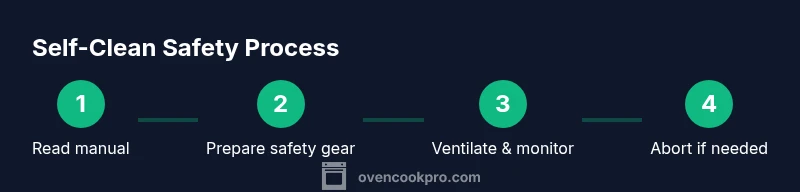
During a self-clean cycle, stay nearby in the kitchen to monitor heat, odors, and door seals. Do not leave the oven running unattended unless your manual allows remote monitoring. Prepare safety gear, such as oven mitts and a fire extinguisher, and remove racks if your model instructs you to. If you notice smoke or a strong smell, cancel and ventilate immediately.
Why safety rules matter during self-cleaning
Self-cleaning ovens use extremely high temperatures to burn away residue. This process creates intense heat, potential gas or electrical faults if a component malfunctions, and strong odors that can irritate eyes and lungs. The big question many homeowners have is: can you leave while oven is self cleaning? The safe, practical answer is: stay nearby and monitor the cycle. This isn't about fear-mongering; it's about minimizing risk while your oven does heavy lifting. According to Oven Cook Pro, a proactive approach combines model-specific guidance, proper ventilation, and a clear emergency plan. Start by reading your oven’s manual to understand whether your unit supports remote status checks or audible alerts. If you can't access those features, plan to be within earshot or visible range so you can intervene if something goes wrong. This initial step sets the tone for a safe cleaning session and reduces the chances of burnt racks or warped seals.
How self-cleaning cycles work
Self-cleaning cycles raise the oven’s interior to temperatures far beyond normal cooking. The goal is to oxidize and burn off food residues, leaving only ash that can be wiped away easily after the cycle finishes. The cycle duration varies by model and soil level, but the principle remains the same: heat, circulate, vent, and cool. During this process, the door latch locks, heat radiates from the chamber, and the surrounding cabinet area may become warmer than usual. Odors are typical but should be manageable with good ventilation. If you notice unusually strong chemical smells, popping noises, or visible smoke, those are red flags that require immediate action and possibly pausing the cycle.
Staying nearby: best practices
If your goal is to maximize safety during self-clean, proximity matters. Keep a clear path to the kitchen so you can respond quickly. Use a timer to track cycle duration and set a reminder to check periodically. Ensure the range hood or an exhaust fan is on to vent heat and odors away from living spaces. Remove clutter and avoid placing flammable items like towels or paper near the oven. Position a working smoke detector and have a fire extinguisher accessible. These measures reduce risk while you let the self-clean do its work and help you react swiftly if something goes off-spec.
When leaving is permissible (model-specific)
Some modern ovens offer remote monitoring indicators such as door status lights, app alerts, or audible signals that allow brief checks without entering the kitchen. If your appliance manual confirms safe remote observation, you may leave the immediate area for short periods. However, do not assume remote monitoring is a substitute for visual vigilance; temperature spikes and sensor glitches can still occur. Always confirm the feature with the manufacturer and follow model-specific instructions. If your home includes sensitive groups like small children or pets, err on the side of staying close, as a precaution.
Precautions before starting self-clean
Before initiating the cycle, prepare the space: remove racks if your manual instructs, clean any visible spills, and verify ventilation options. Confirm that hot surfaces and doors are clearly marked and that anyone in the household knows not to touch the oven during or after the cycle. Ensure there is a clear exit path in case you need to evacuate. Post a reminder near the oven about safety steps, including what to do if you smell gas-like odors, hear unusual noises, or see smoke. Preparation reduces panic and improves response time should an issue arise.
Step-by-step decision framework
- Check the model manual for safety features related to remote monitoring or leaving the area during self-clean. 2) Verify ventilation options—open window or turn on the vent hood—to minimize odors. 3) Ensure racks are placed as directed; remove if the manual instructs to do so. 4) Place oven-safe mitts, a fire extinguisher, and a timer within easy reach. 5) Decide whether to stay nearby or briefly step out based on your layout and comfort level. 6) If conditions change (smell, smoke, heat surge), pause or cancel and ventilate. 7) After the cycle, inspect for ash and wipe the interior with a damp cloth once cooled. Tip: always have an exit plan and never ignore warning signs that something isn’t right.
What to do if you notice smoke, odor, or unusual heat
Smoke or a strong odor should not be ignored. If you detect any of these signs, pause or cancel the cycle per your manual, ventilate the area immediately, and step away if the odor intensifies. If the odor persists after ventilation or if you see visible smoke, contact professional service. Do not continue the cycle in a compromised environment. Keeping a clear air path helps safeguard your home and reduces the chance of chimney-like buildup or flare-ups.
Post-cycle cleanup and safety checks
Once the cycle completes and the oven has cooled, remove ash with a dry cloth and wipe the interior with a damp sponge as needed. Do not use water in areas with exposed electrical components. Check the door latch and gasket for signs of wear, and address any warping or residue promptly. If you notice lingering odors after cooling, run a quick ventilation pass with the hood or an open window. Regular maintenance and gentle cleaning help minimize repeated self-clean needs and keep your oven functioning safely.
Common mistakes and how to avoid them
A common pitfall is leaving the area entirely and relying on misleading indicators to know when the cycle is complete. Another mistake is ignoring manual instructions about rack removal, ventilation, or door latch behavior. People also underestimate the heat; placing flammable items nearby or closing the kitchen too tightly can intensify odors and smoke. By aligning with the manual, using proper ventilation, and staying within sight or earshot, you improve safety and ensure better cycle outcomes.
Model differences and why they matter
Not all ovens operate identically. Some models support remote monitoring or have shorter cycles; others require strict in-person supervision. A few models direct you to remove racks, while others advise leaving racks in place. Always consult your owner’s manual for model-specific safety steps, including whether you can safely leave the area during self-clean. Understanding variations helps you tailor your approach and avoid risky assumptions.
Energy use, interior conditions, and safety trade-offs
Self-cleaning consumes more energy than standard cooking cycles and elevates temperatures that can affect nearby cabinets and floors. The main safety takeaway is that high heat requires careful preparation and ventilation to protect residents and structures. If you routinely have concerns about heat exposure or odors, consider scheduling cycles when you can be present in the home and plan for thorough ventilation. These practices help balance thorough cleaning with safety.
Tips for long-term maintenance and safer cleaning habits
To minimize the frequency of self-clean cycles, wipe spills promptly after cooking and address stubborn stains with manufacturer-recommended cleaners when the oven cools. Regular maintenance reduces soil buildup, which in turn lowers cleaning duration and heat exposure. Keep the exterior surface clean to visually monitor for signs of wear. By integrating proactive cleaning habits, you can keep your oven in better shape and make future self-clean cycles less intense.
AUTHORITY SOURCES (for safety and best practices)
- U.S. Consumer Product Safety Commission: https://www.cpsc.gov
- National Fire Protection Association: https://www.nfpa.org
- U.S. Department of Energy: https://www.energy.gov/energysaver/articles/maintaining-your-oven
These sources provide general safety guidelines relevant to kitchen appliance use and maintenance. For model-specific instructions, always refer to your oven’s official manual.
Tools & Materials
- Oven mitts or heat-resistant gloves(High-heat resistance; silicone grips recommended)
- Kitchen timer or smart device with timer(Use to track cycle duration and reminders)
- Working smoke detector in or near kitchen(Test before starting; ensure battery is fresh)
- ABC or Class B fire extinguisher(Keep within easy reach in kitchen area)
- Adequate ventilation (range hood or open window)(Vent odors and heat away from living spaces)
- Oven manual for your specific model(Model-specific guidance on racks, venting, and cycle duration)
- Flashlight (optional but helpful)(Use if lighting in the kitchen is dim during cycle)
- Damp cloth or sponge(For post-cycle interior wipe-down after cooling)
Steps
Estimated time: Cycle duration varies by model and soil level; plan for several hours total including cooling and post-clean checks.
- 1
Read the manual and confirm safety features
Begin by locating your oven’s self-cleaning instructions within the manual and checking for any remote monitoring options or safety features. This establishes whether you can leave the area briefly or should stay in the kitchen. Having model-specific guidance reduces surprises and ensures you follow the manufacturer’s safety protocol.
Tip: If you can't find the manual, use the model number to search the manufacturer’s site for the exact self-cleaning instructions. - 2
Prepare the area and safety gear
Set up a safe space around the oven: clear flammables, place the fire extinguisher within arm’s reach, and verify ventilation is functional. Put on oven mitts ready to respond to any heat surge. Have a timer visible so you can monitor cycle progress without needing to stand for long periods.
Tip: Replace batteries in the smoke detector beforehand to avoid a non-functional alarm during the cycle. - 3
Decide on staying or brief checks
Determine whether you will stay within earshot or leave the room for short checks based on your model’s safety features and your home layout. If the manual allows remote monitoring, use it; otherwise, plan to remain nearby to respond quickly to any issues.
Tip: Set a reminder to re-check the oven every 20–30 minutes to catch issues early. - 4
Start the self-cleaning cycle with proper ventilation
Initiate the cycle exactly as described in the manual, ensuring the vent hood is on and a window is open if odors are a concern. Confirm that the oven door is fully closed and the latch engages. Avoid adding any cleaners or placing items inside the oven during the cycle.
Tip: Double-check that nothing is above the oven that could obstruct venting. - 5
Monitor the cycle and respond to red flags
Listen for abnormal noises, notice unusual odors, or see visible smoke. If any red flags appear, pause or cancel the cycle per the manual and ventilate immediately. If conditions do not improve, contact service.
Tip: Do not reopen the door while the cycle is in progress; reopening can be dangerous. - 6
Cool-down and post-cycle checks
After the cycle finishes, keep the area ventilated as the oven cools. Wipe ash with a dry cloth once cooled, then wipe with a damp cloth if residues remain. Inspect gaskets and racks for wear and address any irregularities before next use.
Tip: Avoid using water on hot components; allow cooling first. - 7
Document lessons learned
Note any issues encountered and updates to your safety plan for future cycles. Share tips with household members to ensure everyone understands when to stay, monitor, or evacuate. This helps maintain oven safety and reduces risk across repeated uses.
Tip: Keep a simple checklist near the oven for quick reference.
Questions & Answers
Can I leave my home while the self-cleaning cycle is running?
Generally, it’s not recommended to leave the home during a self-clean cycle. High heat and potential fumes mean you should stay within earshot or follow your model’s remote monitoring options if available. Always follow the manufacturer’s safety guidance.
No, it’s best to stay nearby during self-cleaning unless your oven explicitly supports safe remote monitoring per the manual.
How long does a self-cleaning cycle take?
Cycle length varies by model and soil level. Check the manual for the typical duration for your unit and plan accordingly, allowing time for cooling after the cycle ends.
Cycle time depends on your oven model and how dirty it is; consult the manual for specifics.
What should I do if I notice smoke or a strong odor?
If you notice smoke or a strong odor, pause or cancel the cycle per the manual and ventilate the area. If odors persist, evacuate and call for help if needed.
If you smell strong odors or see smoke, stop the cycle and vent the area immediately.
Are there safer alternatives to self-cleaning?
Manual cleaning with oven cleaners when cool, or using steam-clean features if your model offers them, can be safer for some households. Always follow product instructions and manufacturer guidance.
Manual cleaning when cold or model steam-clean options can be safer in some cases; follow the manual.
Should racks be removed before self-cleaning?
In many models, racks should be removed prior to self-cleaning to prevent warping or discoloration. Always verify with your manual for rack handling instructions.
Yes, often remove racks as advised by your manual.
Does using self-cleaning void the warranty?
Warranty implications vary by model and manufacturer. Check the manual and warranty terms; following the official guidelines is important to avoid voiding coverage.
Warranty specifics vary; consult your manual to be sure.
Watch Video
Main Points
- Stay nearby or within earshot during self-cleaning cycles.
- Always consult the oven’s manual for model-specific safety steps.
- Ventilate adequately and have safety gear ready before starting.
- Cancel the cycle if you notice strong odors, smoke, or heat anomalies.
- Regular maintenance reduces the need for frequent self-cleaning.