Oven Salmon Recipe: Easy Juicy Bake Guide for Beginners
Learn a reliable oven salmon method with step-by-step guidance, timing, and flavor ideas to bake tender, flavorful salmon at home.


This oven salmon method yields tender, flaky fillets with minimal effort. You’ll preheat to a hot oven, season simply, and bake on a parchment-lined sheet for easy cleanup. Use a thermometer to avoid overcooking and rest the fish briefly before serving. The approach is versatile enough to accept herb, citrus, or glaze variations, making it ideal for weeknights or a quick weekend dinner. According to Oven Cook Pro, consistent results come from precise prep and timing.
Why Oven Salmon is a Reliable Weeknight Staple
Oven-baked salmon combines simplicity with reliability, making it a go-to weeknight protein for many home cooks. The even heat of the oven helps salmon cook uniformly, reducing the risk of dry edges or undercooked centers. When you bake on a parchment-lined sheet, cleanup is quick and straightforward, allowing you to focus on flavor and technique. The method lends itself to quick flavor upgrades, from lemon and dill to garlic butter or a bright glaze. As the Oven Cook Pro team notes, consistency comes from a few core habits: hot but controlled heat, minimal fuss with seasonings, and monitoring doneness with a thermometer. Whether you’re cooking for one or feeding a family, this approach scales smoothly and stays forgiving if you need to adjust for thicker cuts or leftovers.
Essential Concepts: Temperature, Time, and Doneness
Choosing the right temperature and time is the backbone of oven salmon. A common approach is to preheat to a hot range that actively cooks the fish, typically around 400 to 425 degrees Fahrenheit (204 to 218 degrees Celsius). Thicker fillets will need more time than thinner portions, so thickness is your best guide. Doneness is best judged by texture and color: the center should be opaque and flake easily with a fork. If using a meat thermometer, aim for an internal temperature in the mid-120s Fahrenheit for medium, rising toward the mid-130s for a firmer bite. Keep in mind that carryover cooking will continue for a few minutes after removal from the oven, so plan to pull the salmon a touch early.
Mise en Place: Tools, Ingredients, and Prep
Preparation is about efficiency and cleanliness. Gather your ingredients beforehand, line a sheet pan with parchment paper to prevent sticking, and have your seasonings measured and ready. Pat the salmon dry to promote browning and even seasoning. A light coat of oil helps the seasonings adhere and creates a delicate crust. Salt and pepper are essential, while citrus slices, herbs, or a glaze can elevate flavor. Having a thermometer handy eliminates guesswork, and a spatula or offset tongs makes handling the fillets gentler on delicate flesh. Prepping in advance reduces mid-cook stress and keeps your kitchen organized.
Flavor Foundations: Seasoning, Marinades, and Aromatics
Salmon loves bright, simple flavors that enhance its natural richness. A basic approach uses kosher salt, black pepper, and a drizzle of olive oil, with lemon zest or juice for brightness. For more depth, consider a fast herb rub (dill, parsley, garlic) or a glaze built from honey or maple with a splash of soy or Dijon. Aromatics such as garlic cloves, thin lemon rounds, and fresh herbs release aroma as they heat, perfuming the salmon without overpowering it. If you prefer a marinade, keep it light and time-limited to avoid overpowering the fish’s delicate texture. Always pat the salmon dry after marinating to restore surface browning.
Step-by-Step Cooking Overview
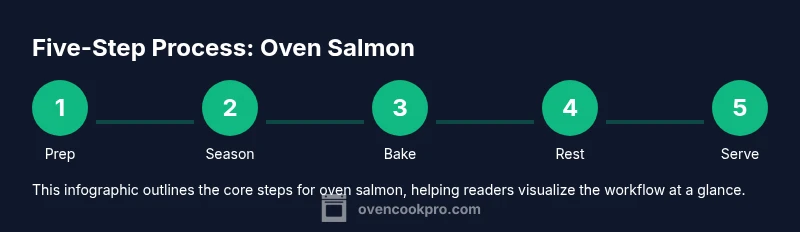
The cooking process can be summarized in a few key phases: preheat and prepare, season and arrange, bake, then rest. Starting with a hot oven ensures you’ll crack the crust quickly and seal in juices. Layering flavors with herbs or glaze toward the end prevents excessive caramelization that could mask the fish’s natural sweetness. The resting period after baking allows juices to redistribute, yielding a juicier bite. While the oven does most of the work, precise timing and gentle handling are what separate good from great results.
Cooking Tips for Even, Juicy Salmon
Even cooking requires spacing and pan setup. Use a single layer of fillets with space between them to avoid steaming. If you’re cooking multiple fillets, rotate the pan midway through to ensure even exposure to heat. Paring knives or a fish spatula helps transfer fillets without breaking the delicate flesh. A thermometer is the best safeguard against overcooking, but if you don’t have one, use the fork test and check for a gentle flake before considering it done. For crispier edges, finish under a brief high-heat blast or a quick broil, watching closely to avoid burning.
Serving Suggestions and Make-Ahead Variations
Salmon pairs beautifully with green vegetables, citrusy salads, or creamy sauces that complement its richness. Try roasted asparagus, sautéed spinach, or a light cucumber-dill yogurt sauce for contrast. For meal prep, bake the salmon in advance and portion it for quick lunches or dinners. You can also turn leftovers into cold salmon salads, wraps, or grain bowls. If you want a glaze, brush it on during the last few minutes of baking to preserve its sheen and avoid burning sugar.
Troubleshooting Common Issues
If the salmon seems dry, it may have been overcooked or started with too little fat. Ensure your fillets are not crowded and that the oven temperature is accurate. If the fish looks pale or opaque too soon, reduce the oven temperature slightly or shorten the cooking time for the next batch. If you notice uneven browning, a quick brush of oil on the exposed surfaces helps. For a strong fishy smell, ensure you’re using fresh fillets and keep the kitchen well-ventilated during cooking.
Clean-Up, Storage, and Reheating
Let the baked salmon cool briefly before storing to maintain texture. Refrigerate leftovers in an airtight container for up to three days. Reheat gently in a low-temperature oven or on the stovetop with a splash of broth or water to preserve moisture. Freezing is possible for longer storage, but texture may change after thawing; plan to reheat slowly to avoid dryness. Wipe down the sheet pan after it cools to prevent stubborn residue from setting, and consider a quick soak if needed to simplify cleaning.
Tools & Materials
- Salmon fillets (skin-on or skinless)(4-6 oz portions are common; adjust for appetite)
- Parchment paper or silicone baking mat(Line the sheet pan for easier cleanup)
- Sheet pan (rimmed)(Sturdy enough to hold fish without warping)
- Olive oil or neutral oil spray(Lightly coat to promote browning)
- Salt and black pepper(Basic seasoning foundation)
- Lemon or lemon zest(Adds brightness (optional))
- Garlic clove or garlic powder(For extra aroma (optional))
- Measuring spoons(Accurate seasoning)
- Kitchen thermometer(Check internal temperature to avoid under/overcooking)
- Tongs or fish spatula(Gentle handling to prevent breaking flesh)
Steps
Estimated time: Total time: 25-40 minutes
- 1
Gather and preheat
Collect all ingredients and preheat the oven to 400–425°F (204–218°C). A hot oven helps form a light crust and seals in moisture. If you plan to finish with a glaze, have it ready but not applied yet.
Tip: Preheating while you assemble ensures minimal lag between prep and cooking. - 2
Pat dry and oil
Pat the salmon dry with paper towels to remove surface moisture. Lightly oil both sides or mist with spray to help seasonings adhere and promote browning.
Tip: Drier surface = crisper exterior when baked. - 3
Season generously
Season with salt and pepper, adding optional lemon zest, garlic, or herbs. Avoid heavy sauces at this stage to prevent soggy fillets.
Tip: Even, light coating yields more uniform flavor. - 4
Arrange on pan
Place fillets skin-side down (if skin-on) on a parchment-lined sheet pan with space between pieces.
Tip: Crowding leads to steaming rather than roasting. - 5
Bake to doneness
Bake for 12–15 minutes for 1-inch thick fillets; add 3–5 minutes for thicker portions. Start checking at 12 minutes.
Tip: For thinner fillets, start at 10 minutes and monitor closely. - 6
Rest briefly
Remove from oven and rest 3–5 minutes before serving to let juices redistribute.
Tip: Resting improves moisture and texture. - 7
Optional glaze or finish
Brush on a glaze or finish with a quick broil for 1–2 minutes if you want a glossy crust.
Tip: Watch closely to avoid burning sugar.
Questions & Answers
What temperature should I bake salmon at in the oven?
Most bakings use 400–425°F (204–218°C). Adjust within that range based on thickness and desired doneness. A hotter start yields quicker crust, while a gentler bake preserves moisture.
Most bakings use 400 to 425 degrees Fahrenheit. Adjust by thickness and your preferred doneness. A hotter start helps browning, while a gentler bake preserves moisture.
How can I tell when salmon is done?
Check for opaque flesh that flakes easily with a fork. If you use a thermometer, aim for about 125–130°F for medium, or higher if you want it fully cooked. Remember carryover heat will finish the job after removal.
Look for opaque flesh that flakes easily; that's usually done. If using a thermometer, 125 to 130 for medium is common, higher for fully cooked. Don’t skip the rest.
Can I cook salmon from frozen in the oven?
Yes, but expect longer cooking times and check doneness more carefully. If possible, thaw overnight for even cooking. If you bake from frozen, add several minutes and verify with a thermometer.
You can bake from frozen, but expect longer time and check doneness carefully. Thawing first helps, but it isn't required.
Skin on or skin off? Does it affect cooking?
Skin-on helps protect the flesh and adds crispness if you finish with a quick high-heat blast. Skinless is common for easy portioning and quicker site-specific cooking.
Skin helps protect the fish and can crisp up if you finish with high heat. Skinless is common for quick cooking.
Is parchment paper necessary for this recipe?
Parchment or a silicone mat prevents sticking and makes cleanup easier, though you can oil the sheet directly if needed.
Parchment makes cleanup easier and prevents sticking, but you can oil the pan if you don’t have parchment.
How long can leftovers be stored and how to reheat?
Leftovers store well in the fridge up to three days. Reheat gently in a low oven or skillet with a splash of liquid to preserve moisture.
Store in the fridge for up to three days and reheat gently to keep moisture.
Watch Video
Main Points
- Preheat hot ovens for reliable browning.
- Keep fillets spaced to ensure even cooking.
- Use a thermometer for precise doneness.
- Rest salmon before serving for juicier texture.