How to Get Rid of Roaches in Oven: Step-by-Step Guide
A comprehensive, safety-first guide for homeowners and home cooks to eliminate roaches from ovens and prevent future infestations using non-toxic cleaning methods and practical prevention strategies.


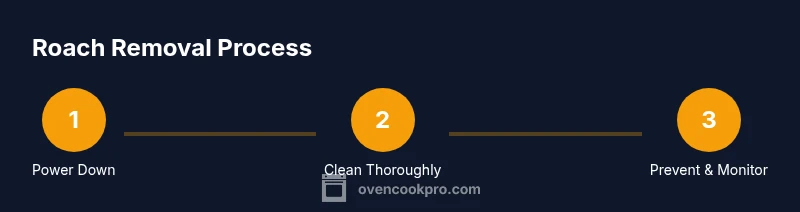
To get rid of roaches in your oven, power off the appliance, unplug if safe, and shut off gas if applicable. Empty the interior, vacuum crumbs, and wipe every surface with a non-toxic cleaner. Deep-clean racks and seals, then implement prevention: seal gaps, remove food debris, and maintain a consistently clean oven to deter future visits.
Why roaches end up in ovens and the risks
According to Oven Cook Pro, roaches entering ovens are often drawn to residual grease and moisture left behind after cooking. Even small spills can provide a lasting food source, while warm, dark cavities offer ideal shelter for hiding eggs and immature insects. Left untreated, a roach presence inside an oven can spread bacteria onto cookware and food-prep surfaces, increasing the risk of contamination. This is not just a nuisance; it can create a cycle of re-infestation if maintenance habits do not change. In kitchens the home cooks frequent, roaches explore gaps around oven doors, vent openings, and the space behind the control panel. The goal isn't to “zap” them with heat, but to remove the food signals they follow and make the oven an unattractive place to linger. The Oven Cook Pro team emphasizes that a proactive plan—cleaning, sealing, and monitoring—will dramatically reduce the chance of recurrence.
Immediate safety actions to take
Before you start cleaning, power down the oven and unplug it if safe. If you cook in a gas-powered range, turn off the gas supply to reduce risk. Keep children and pets away from the work area. Open a window or run a fan to ventilate fumes from cleaners. Put on disposable gloves to minimize contact with any contaminants. Do not attempt to heat or run the oven while pests are inside; this can spread contamination and make the infestation harder to manage. If you notice any spilled grease or food debris around knobs or the door seal, address those areas first to halt ongoing attraction. A calm, methodical approach reduces the chance of spreading pests to nearby cabinets and surfaces.
Thorough cleaning plan: removing residue and odors
A thorough cleaning targets food residues, grease, and odors that attract roaches. Start by removing all racks and trays; set them aside for separate cleaning. Vacuum or sweep loose crumbs from the oven floor and around the door gasket. Use a non-toxic cleaner with warm water to wipe the interior walls, then scrub stubborn grease with a soft brush. Rinse with a clean, damp cloth and dry completely before reassembling. After the interior is clean, tackle the door gasket and seals; ensure there are no food particles trapped in crevices that could serve as future meals. Odor-neutralizing steps, such as a mild baking soda paste, can help keep the interior unappealing to pests while remaining safe for food contact surfaces.
Inspect and prep your oven for cleaning
Inspect heating elements, the door seal, and the gasket for any signs of damage or gaps where pests could hide or re-enter. If you see tears or cracks, make a plan to repair or replace the affected parts. Set up a dedicated cleaning station with microfiber cloths, a bucket, and clean water. Prepare a simple, non-toxic cleaning solution: warm water mixed with a drop of dish soap and a cup of white vinegar for extra grease-cutting power without harsh fumes. Label and store cleaning supplies away from food areas to minimize temptations for pests to return. The goal is to remove signals and create an unwelcoming environment for roaches.
Deep clean racks, trays, and gaskets
Soak removable racks in warm, soapy water to loosen grease; scrub with a nylon brush, then rinse and dry thoroughly. For trays and the interior walls, use the same non-toxic cleaner and a soft scrubber to avoid scratching surfaces. Clean the door gasket as well, paying attention to folds where debris can accumulate. If you encounter stubborn grease, a baking soda paste can provide gentle abrasion without damage. After cleaning, reassemble the oven and ensure all parts are dry before use. This step helps prevent future infestations by eliminating food sources and moisture pockets.
Safe cleaners and methods inside the oven
Avoid aggressive chemical fumigants inside the oven. Choose non-toxic cleaners such as warm water, dish soap, white vinegar, and baking soda. Never mix cleaners with bleach or ammonia, which can produce dangerous gases. For crevices and hard-to-reach areas, an old toothbrush or a small brush helps dislodge debris. When applying cleaners, spray lightly and wipe immediately to prevent pooling near heating elements. After cleaning, ventilate the oven by leaving the door open briefly or running the exhaust fan. Safety and patience are essential for avoiding damage to heating elements and seals.
Prevention: sealing entry points and reducing attractants
Prevention starts with removing attractants and blocking access. Inspect the area around the oven for gaps in the cabinet frame, the door, and the vent. Use weatherstripping or silicone sealant to close small gaps; replace damaged door gaskets if needed. Keep food scraps away from the oven area, wipe spills promptly, and store dry pantry items in sealed containers. Regularly clean the floor and surrounding cabinets to reduce crumbs that can travel into the oven cavity. Consider placing roach monitors or non-toxic bait outside the oven area to detect activity early, then adjust cleaning frequency if activity increases. Consistency is the key to long-term success.
Traps and monitoring options that are oven-safe
If you choose to monitor pest activity, place non-toxic monitors in adjacent cabinets or near the oven base, not inside the oven itself. Roach baits can be useful but should be kept away from food preparation areas and away from direct heat sources. Regularly inspect traps and replace them as needed. Keeping a log of activity signs, such as droppings or shed skins, helps you adjust cleaning frequency and prevention strategies quickly. Remember, traps are for detection and deterrence, not a substitute for thorough cleaning.
When to call a professional and what to expect
If roaches persist after a comprehensive cleaning and prevention plan, consider consulting a licensed pest control professional. A pro can assess entry points, use integrated pest management techniques, and provide guidance on safe products suitable for kitchens and ovens. Ask about non-chemical options and ensure any treatment is oven-safe and food-safe. Professional services can help break severe infestation cycles and prevent future reintroduction by identifying hidden harborages and supply lines.
Preventive maintenance: creating a long-term routine
Develop a maintenance schedule that fits your household rhythm. Clean the oven interior after heavy use, wipe down the door gasket weekly, and deep-clean every 1–3 months depending on use. Seal gaps and store crumbs immediately after cooking. A simple checklist—empty racks, wipe surfaces, sanitize, and reassemble—keeps the oven inhospitable to roaches and can dramatically reduce the likelihood of recurrence. The key is consistency: small daily actions compound into a roach-free oven.
Quick-start checklist for immediate results
- Power off and unplug (if safe); ventilate the area.
- Remove racks and soak them; clean interior walls with a non-toxic cleaner.
- Wipe seals and door with vinegar solution; dry thoroughly.
- Seal gaps and store food in sealed containers; remove moisture sources.
- Set a reminder to recheck in 24–48 hours and maintain a cleaning schedule.
Verifying success and next steps
After completing cleaning and preventive steps, re-check the oven daily for a week. If no roach activity is detected and the oven stays free of debris, you have likely stopped the infestation. Maintain the routine to prevent re-entry. The Oven Cook Pro team recommends documenting your cleaning schedule and revisiting seals and traps quarterly to keep roaches at bay. If you observe renewed activity, revisit each step and consider professional support for a more thorough evaluation.
Tools & Materials
- Latex or disposable gloves(Protect hands from grease and cleaning agents)
- Microfiber cloths and sponges(For wiping surfaces without scratching)
- Soft scrub brush and old toothbrush(Clean crevices and gasket folds)
- Bucket and spray bottle(Mix cleaning solutions; apply evenly)
- Dish soap, baking soda, and white vinegar(Non-toxic cleaning trio)
- Vacuum with hose attachment(Remove loose crumbs from interior and cabinetry)
- Non-toxic oven-safe cleaner (optional)(For heavy grimes if needed)
- Silicone sealant or weatherstripping (if gaps are found)(To seal gaps around the door)
Steps
Estimated time: 2-4 hours
- 1
Power down and prep
Turn off and unplug the oven if safe; switch off the gas if applicable. Move the vehicle away from the kitchen path and ventilate the area. This step prevents electrical hazards and exposure to cleaners during the cleaning process.
Tip: Take photos of any visible damage to seals for later reference. - 2
Remove racks and accessories
Carefully extract all racks, trays, and removable components. Place them in a basin or tub with warm, soapy water to soak while you clean the interior. This speeds up grease removal and prevents dry scrubbing on hot metal.
Tip: Label soaked items to avoid mixing with other dishes after cleaning. - 3
Vacuum and wipe interior
Vacuum loose crumbs from the oven floor and around the door gasket. Wipe the interior walls with a warm water and dish soap solution, then finish with a vinegar rinse to cut grease.
Tip: Use a flashlight to inspect dark corners where debris collects. - 4
Scrub stubborn grease
Apply a baking soda paste to stubborn grease and let it sit for several minutes. Scrub with a nylon brush, rinse, and dry. This reduces odor and improves cleaning effectiveness.
Tip: Avoid abrasive sponges that can damage enamel surfaces. - 5
Clean door gasket and crevices
Wipe the door gasket and folds with a vinegar solution; use a small brush to reach tight spots. Dry thoroughly to prevent moisture buildup.
Tip: If the gasket is damaged, plan a replacement to restore a tight seal. - 6
Racks and trays soak
Soak racks and trays in warm, soapy water; scrub with a brush, rinse, and dry completely before returning to the oven.
Tip: Drying completely prevents rust and preserves rack longevity. - 7
Reassemble and test
Place racks back inside and perform a no-food heat run for 15 minutes to ensure cleanliness and identify any lingering odors. Open windows to vent and let the oven cool before using.
Tip: If any residue remains, repeat the cleaning cycle on the affected area. - 8
Seal gaps if found
Apply silicone sealant or replace weatherstripping where gaps were detected around the door. A good seal reduces entry points for roaches and keeps heat and moisture contained.
Tip: Allow sealant to cure per product instructions before using the oven. - 9
Store food and crumbs properly
Transfer dry pantry items to sealed containers; wipe spills promptly and keep counters clean. Reducing food signals lowers attractant levels for pests.
Tip: Create a daily wipe-down habit after cooking to prevent buildup. - 10
Place monitoring where appropriate
Set non-toxic monitors in adjacent cupboards, not inside the oven, to detect activity. Check weekly and replace if signs appear.
Tip: Label monitor placements on a kitchen map for easy follow-up. - 11
Review and adjust
If activity continues, reassess each step and consider professional help. Schedule quarterly checks of seals and door gaps.
Tip: Document findings to track improvement over time. - 12
Verify success and plan next steps
Re-check the oven after a few days; if no activity is observed, maintain routine cleaning and monitoring. The Oven Cook Pro team recommends continuing maintenance to prevent recurrence.
Tip: Keep a simple calendar reminder for quarterly inspections.
Questions & Answers
Can roaches survive in a turned-off oven?
Roaches can hide in oven cavities and survive for varying periods in dry, cool spaces, especially if there are food residues. A turned-off oven doesn't kill them; thorough cleaning and proper sealing are more effective for long-term control.
Roaches can hide in ovens even when off; cleaning and sealing are essential to prevent re-entry.
Is it safe to use oven cleaners around food?
Use non-toxic or kitchen-safe cleaners designed for ovens. Avoid harsh chemical sprays near food surfaces and ensure the oven is fully rinsed and dried before cooking.
Use safe cleaners, and rinse thoroughly before cooking.
Should I use pesticides inside the oven?
Pesticides are generally not recommended inside ovens due to heat and food contact. If pest control is needed, consult a professional for oven-safe, targeted treatments outside the appliance.
Avoid pesticides inside the oven; consult a pro for safe options.
How often should I clean the oven to prevent roaches?
Aim for a light wipe-down after each use and a deep clean every 1–3 months depending on usage and spill frequency. Regular maintenance helps keep roaches away.
Clean after use and do a deep clean every month or two.
Do roaches lay eggs in oven racks?
Roaches prefer hidden, humid spaces; while ovens are not ideal egg-laying sites, debris in racks and crevices can harbor eggs. Thorough cleaning reduces this risk.
Eggs are more likely in cracks and crevices; clean thoroughly.
What if I still see roaches after cleaning?
If activity returns, reassess all steps, recheck seals, and consider professional help. Persistent infestations may require integrated pest management and monitoring outside the oven.
If it persists, review every step and seek professional help.
Watch Video
Main Points
- Clean thoroughly to remove food signals that attract roaches.
- Seal gaps and store food in sealed containers to prevent re-entry.
- Use non-toxic cleaners and avoid dangerous chemical mixtures.
- Inspect seals and vents regularly to maintain a roach-free oven.
- Maintain a consistent cleaning schedule for long-term prevention.