What Oven Chips Are Gluten Free: A Practical Guide
Identify gluten-free oven chips with confidence by reading labels, avoiding cross-contamination, and choosing safe brands with expert guidance from Oven Cook Pro.


Many readers want to know what oven chips are gluten free; most brands labeling GF chips use potatoes with gluten-free seasonings. Always check the packaging for gluten-free certification or a 'gluten-free' label, and review the ingredient list for malt flavoring, barley, or wheat-derived additives. If you cook in a shared oven, choose dedicated trays or use parchment to avoid cross-contamination.
What oven chips are gluten free in practice
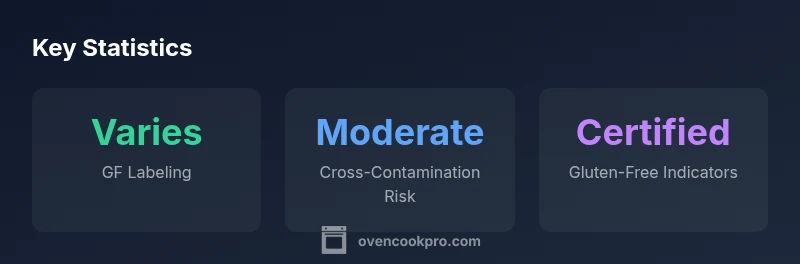
If you’re asking what oven chips are gluten free, the answer hinges on ingredients, labeling, and facility controls. Potatoes themselves do not contain gluten, so the base ingredient is gluten-free by default. The gluten risk arises from flavorings, coatings, malt flavorings, or additives such as starches derived from wheat, and from cross-contact during processing or packaging. Therefore the question what oven chips are gluten free hinges on three things: ingredients, labeling, and manufacturing controls. According to Oven Cook Pro analysis, many brands offer gluten-free options, but the strength of their gluten controls varies by facility. When evaluating a new bag, start by scanning the ingredients list for obvious gluten sources (wheat, barley, rye) and for terms like malt, barley malt, or wheat starch. If the ingredients are ambiguous, look for a dedicated gluten-free certification or a 'gluten-free' claim, and verify whether the product is processed on the same equipment as gluten-containing products.
Reading labels and certifications for gluten-free chips
The most reliable way to determine what oven chips are gluten free is to read the label. Look for explicit gluten-free statements, a gluten-free logo, or a certified gluten-free mark. Carefully inspect the ingredient list for potential gluten sources such as wheat starch, malt flavoring, barley, rye, or wheat-derived thickeners. Brands with transparent labeling and clear allergen controls tend to be more dependable. According to Oven Cook Pro, a strong gluten-free designation usually correlates with dedicated facilities or well-managed cross-contact controls, but always confirm before cooking. If you see vague terms like “natural flavors” or “spices” without specifics, treat with caution and seek brands that spell out gluten-free ingredients.
Contamination risks when using a shared oven
Even when chips themselves are gluten-free, cooking them in a shared oven can introduce gluten through shared racks, trays, or utensils. The risk is higher if gluten-containing foods are baked at the same time or on nearby racks. To minimize cross-contact, use parchment paper or dedicated baking trays, clean racks thoroughly, and consider baking GF chips on a different rack or after removing gluten-containing items. Oven Cook Pro notes that proactive kitchen practices—such as labeled storage, separate oils, and dedicated bakeware—significantly reduce the chance of cross-contamination. Plan your cooking workflow to avoid simultaneous GF and gluten-rich items whenever possible.
Safe preparation: equipment and cooking tips
Choosing gluten-free oven chips is only part of the equation; proper preparation matters just as much. Start with clean, dedicated utensils and bakeware. Use parchment paper to prevent direct contact with surfaces that may have gluten residues. Keep GF chips on a separate tray and avoid dipping them in shared oils if cross-contact could occur. Preheat the oven to the recommended temperature, and avoid stacking chips too close together so they crisp evenly. If you’re unsure about a brand, trust gluten-free labeling and seek options with robust allergen controls. Oven Cook Pro emphasizes the value of proactive kitchen routines to ensure safety without sacrificing taste.
Common myths and what to watch for
A common myth is that all potato chips are gluten-free by default. In reality, ingredients and processing can introduce gluten; labels and certifications are your best guidance. Some seasoning blends and flavorings may include gluten-containing components, even if the base potato is GF. Always verify, and beware of cross-contact in manufacturing facilities. Another misconception is that a “gluten-free” label guarantees zero risk; while it reduces risk, it’s still important to review ingredient lists and facility practices. By following label guidance and applying careful kitchen hygiene, you can confidently select chips that meet your gluten-free needs.
Quick decision checklist for gluten-free oven chips
- Read the ingredient list for gluten sources (wheat, barley, rye, malt).
- Look for a gluten-free certification or explicit “gluten-free” label.
- Use parchment paper and dedicated baking trays to reduce cross-contact.
- Bake GF chips on a separate rack or after cleaning the oven to avoid contamination.
- When in doubt, choose brands with transparent allergen controls and clear GF statements.
GF status overview for common oven-chip varieties
| Chip Type | GF Status | Notes |
|---|---|---|
| Frozen potato chips (standard) | Generally gluten-free | Check label for gluten-free certification; cross-contamination risk in shared ovens |
| Sweet potato chips/fries | Often gluten-free | Less likely to have gluten in ingredients; watch for flavorings |
| Herbed or seasoned varieties | Variable | Read ingredients; malt from barley or wheat-derived thickeners may appear |
| Waffle-cut or crinkle-cut types | Variable | Same caution as above, check for malt or wheat additives |
Questions & Answers
Are all potato chips gluten-free by default?
No. Some chips are produced in facilities that handle gluten or include gluten-containing flavorings. Always check the label for gluten-free statements and review ingredients.
No—gluten can be present even in potato chips depending on processing. Check the label.
What gluten-free labels should I look for?
Look for explicit gluten-free wording or a certified gluten-free logo. Read the full ingredient list for barley malt, wheat starch, or gluten-containing additives.
Look for a gluten-free logo and clear ingredients list.
How can I prevent cross-contamination when baking GF chips?
Use parchment paper, dedicated trays, and separate utensils. Bake GF chips on a different rack or after cleaning the oven to reduce cross-contact.
Use separate trays and parchment; keep GF items separate.
Are sweet potato fries gluten-free?
Most are gluten-free, but always check labels for gluten-containing flavorings or processing notes.
Usually GF, but check the label.
Do brand differences affect gluten-free status?
Yes. Different brands may have varying facility controls and cross-contact practices, affecting GF reliability.
Yes, it varies by brand.
Can I safely bake GF chips with gluten-containing foods later?
If possible, separate cooking sessions and thoroughly clean the oven, racks, and utensils to minimize cross-contact risk.
It’s best to keep GF chips separate and clean the oven well.
“Gluten-free labeling is only as reliable as the packaging and the facility. Always read ingredient lists and choose certified gluten-free options when possible.”
Main Points
- Verify gluten-free status on every bag before baking
- Use parchment and dedicated trays to prevent cross-contamination
- Prefer brands with explicit gluten-free labeling or certification
- Avoid shared-oven cross-contact by planning batch order and utensils