Mastering the ooni 16: The Complete How-To Guide
Learn to operate the ooni 16 outdoor pizza oven safely and effectively with a step-by-step guide from preheating to cleanup, including tips from Oven Cook Pro.


You will learn how to safely set up and bake with the ooni 16 pizza oven at home, from initial setup to first pie. This guide covers preheating, fuel options, dough handling, heat management, and post-bake cleanup, with practical tips to avoid common mistakes. Ready to turn out restaurant-quality pies in your backyard?
Why the ooni 16 is a smart choice for home pizza
For home cooks who want neighborhood-pizza results, the ooni 16 offers portability and high-heat capability that standard indoors ovens can’t match. In this guide, the Oven Cook Pro team explains how to maximize performance with the ooni 16, from setup to serving. When you invest time in the right preheat and dough handling, you can achieve crisp crusts with blistered edges and blistered toppings. According to Oven Cook Pro, choosing the right fuel and proper insulation dramatically improves heat retention in outdoor ovens like the ooni 16, helping you reach even more consistent results. This section will cover why the ooni 16 is worth considering for beginners and seasoned home cooks alike, along with a roadmap for getting steady, repeatable results.
Key features to understand before cooking with the ooni 16
The ooni 16 is designed for backyard pizza nights and offers features that set it apart from indoor ranges. You’ll typically find a compact, portable footprint that fits on a sturdy patio surface, a high-extension chimney, and compatibility with multiple heat sources. The ability to switch between gas and wood fuel is a key advantage for those who want control over burn rate and smoke. The ooni 16’s insulation and insulated body help minimize heat loss during long cooks, and its pizza stone or steel surface provides a reliable base for achieving a blistered bottom crust. Understanding these features helps you tailor preheating times, dough hydration, and topping choices to your specific setup.
Preheating and dough prep for best results
Preheating is the single most important step for a good pie. With the ooni 16, you should start heating well in advance of when you plan to bake, aiming for a hot surface that yields a crisp base and short bake times. While preheating, prepare your dough and toppings so everything is ready to move quickly. Hydration, flour type, and dough rest can all influence how easy it is to shape and how well the crust rises. The Oven Cook Pro team emphasizes consistent dough handling and a dry workspace to keep the dough from sticking. For beginners, practice a few small rounds to dial in your technique before attempting larger pizzas.
The cooking workflow: a practical backyard pizza session
A successful night with the ooni 16 blends timing, heat management, and a steady rhythm. Start by placing the oven on a stable, heat-resistant surface outdoors and lighting according to the model’s guidelines. Once the oven is hot, stretch and top your dough, then slide it onto the stone with a smooth, quick motion. Rotate the pizza to ensure even browning, monitor movement, and adjust flame as needed. Retrieve the finished pie with a proper pizza peel and transfer it to a cutting surface. Keep a clean, organized station so you can repeat the process for multiple pies in the same session.
Cleaning, maintenance, and safety tips
Safety comes first when using any outdoor oven. Always wear heat-resistant gloves and keep flammables away from the cooking area. After cooking, allow the oven to cool fully before reassembly or cleaning. Remove ash and leftover fuel according to manufacturer guidance, then wipe the exterior with a damp cloth. For maintenance, inspect seals and gaskets periodically and replace worn parts as needed. Store accessories like the pizza peel and covers in a dry place to prevent corrosion. This discipline helps extend the life of your ooni 16 and keeps it safe for future sessions.
Troubleshooting common issues
Even with careful setup, you may encounter issues during a session. If the crust is undercooked, raise the heat or extend bake time with careful rotation. If the dough sticks to the peel, dust the surface with more flour or cornmeal and use a light, quick motion to transfer. If you notice uneven browning, check stone height and ensure the oven is level on the surface. For smoke or instability, review fuel type and air intake, adjusting as necessary to stabilize the flame. Clear, systematic checks help you quickly diagnose and fix problems during a backyard cook.
Putting it all together for repeatable results
To consistently produce great pies with the ooni 16, build a routine that covers preheat, dough handling, topping prep, and cleanup. Prepare your workspace in advance, preheat the oven to the target heat, then stage toppings and dough for rapid assembly. Practice controlled heat management by rotating your pizza and adjusting fuel, then finish with a brief rest before slicing. With regular practice and a simple, repeatable routine, you’ll turn backyard pizza nights into dependable, chef-like experiences.
Tools & Materials
- Ooni 16 outdoor pizza oven(Ensure stable placement on a heat-resistant surface)
- Pizza stone or steel compatible with outdoor ovens(Use a surface rated for high heat)
- Pizza peel(Dust with flour or cornmeal to prevent sticking)
- Heat-resistant gloves(Protect hands when handling hot components)
- Wood pellets, wood chunks, or gas canister (model dependent)(Select fuel per model instructions)
- Cornmeal or flour for dusting(Helps dough release from the peel)
- Infrared thermometer (optional)(Helps monitor surface temperature)
- Kitchen towel and spray bottle (optional)(For quick cleanup and moisture control)
Steps
Estimated time: 60-90 minutes
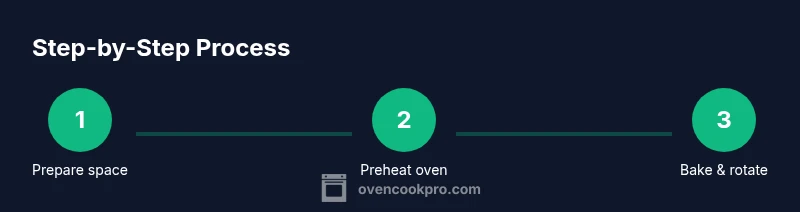
- 1
Prepare your outdoor space
Set up on a stable, heat-resistant surface outdoors, away from walls or overhangs. Unpack the oven carefully and inspect for any transport damage. Gather all tools within arm's reach so nothing slows you down.
Tip: Keep the area clear of children and pets; establish a safe perimeter before you start. - 2
Select and prep fuel
Choose the fuel type compatible with your ooni 16 model and prepare for use. If using gas, connect according to manufacturer guidelines and perform a quick leak check. If using wood, gather dry hardwood and keep fuel off to the side until needed.
Tip: Never mix fuel types in a single session unless the manual explicitly allows it. - 3
Preheat the oven
Ignite and allow the oven to come to full temperature. Preheating typically takes several minutes; you’ll know it’s ready when the surface is hot and the flame stabilizes. Keep airflow balanced by adjusting vents as recommended by the manual.
Tip: Avoid opening the door during the first few minutes to maintain heat; use the vent controls to stabilize the flame. - 4
Prepare dough and toppings
While the oven heats, portion dough, dust with flour or cornmeal, and pre-measure toppings. Have sauce, cheese, and toppings organized in the order you’ll assemble them. This helps you work quickly once the oven is ready.
Tip: Hold dough portions at room temperature long enough to relax; cooler dough is easier to shape without springing back. - 5
Stretch dough on the peel
Gently stretch the dough to your desired diameter on a well-floured surface. Transfer to the wooden peel with a quick, confident motion. Dust the edge to prevent sticking during transfer.
Tip: Keep it thin toward the center and leave a slightly thicker rim for a climb-worthy crust. - 6
Bake with rotation
Slide the dough onto the stone and rotate the pizza to promote even browning. Monitor color and blistering, making small adjustments to turn timing if needed. Keep the peel ready for quick moves in and out.
Tip: Rotating in small increments prevents hot spots from burning the crust. - 7
Check doneness and remove
When the crust is blistered and the cheese gently bubbles, slide the pizza off the stone onto a cutting surface. Use a clean motion to prevent toppings from sliding off. Let it rest briefly before slicing.
Tip: Use a long, confident pull to avoid dragging toppings off the crust. - 8
Rest, slice, and serve
Allow the pie to rest for a minute or two to set, then slice and serve. Keep a cloth handy to blot any condensation on the surface. Enjoy immediately for best texture.
Tip: Rest time helps the crust finish setting; rushing slices can ruin the texture. - 9
Cleanup after the bake
Allow the oven to cool completely before cleaning. Remove ash and any spent fuel per the manufacturer’s guidance. Wipe the exterior with a damp cloth and dry thoroughly before storage.
Tip: A clean oven performs more consistently and lasts longer. - 10
Storage and planning next bake
Store tools like the peel and brush in a dry place and keep fuel canisters in a vented area. Plan your next bake by reviewing what worked and what to adjust, such as dough hydration or topping choices.
Tip: Keep a simple log of temps and bake times to reuse successful settings.
Questions & Answers
Beginners with ooni 16?
Yes, with proper safety steps and a simple routine, beginners can achieve excellent results. Start with a basic dough and a small cheese-first topping plan to learn heat management and timing.
Yes. Start with a simple dough and basic toppings to learn heat and timing safely.
Fuel types for ooni 16?
The ooni 16 model supports different fuels depending on configuration. Follow the manual for fuel compatibility, connections, and safety checks before lighting.
Follow the manual for fuel compatibility and safety checks before lighting.
How hot does the ooni 16 get?
The oven is designed for very high heat appropriate for fast pizza baking. Preheat until the surface is hot and the structure feels stable, then adjust heat as needed during cooking.
Preheat until the surface is hot and the flame is stable, then adjust as needed.
Other foods besides pizza?
Yes, you can cook flatbreads, roasted vegetables, and small meat items with careful heat control. Keep in mind specialized cooking times and space on the stone.
Yes, you can cook flatbreads and vegetables with careful timing.
Cleaning after use?
Let the oven cool fully, then remove ash and clean the exterior with a damp cloth. Inspect seals and gaskets and store tools in a dry place.
Allow cooling, clean exterior, and inspect parts for wear.
Safe outdoor setup?
Place on a stable, non-flammable surface with clear wind conditions. Ensure ventilation and keep combustibles away from the cooking area.
Set up on a stable surface with good ventilation and clearance.
Watch Video
Main Points
- Preheat properly to maximize crust texture.
- Use the right fuel and airflow for consistent heat.
- Organize toppings to speed up the bake.
- Clean thoroughly after sessions to extend oven life.