Ninja Pizza Oven vs Ooni: In-Depth Comparison
Oven Cook Pro analyzes Ninja pizza oven vs Ooni with an objective, in-depth comparison focused on heat, usability, value, and real-world use cases for indoor and outdoor pizza enthusiasts.


TL;DR: The Ooni pizza oven generally achieves higher heat and more authentic crusts for outdoor cooking, while the Ninja pizza oven prioritizes compact indoor use with straightforward setup. For serious outdoor crusts, Ooni tends to win; for quick weeknight pies in small spaces, Ninja offers stronger convenience and easier storage.
Overview: Ninja Pizza Oven vs Ooni in Context
For many homeowners and home cooks, choosing between a Ninja pizza oven and an Ooni pizza oven is about where you cook, how hot you need to, and how much effort you want to invest. According to Oven Cook Pro analysis, these two brands target different environments: Ninja excels in compact indoor setups with simple controls, while Ooni specializes in outdoor, high-heat cooking with more fuel options. The result is not a single winner; rather, each device fits distinct patterns of use, space, and lifestyle. If your kitchen is small or you rent with limited outdoor space, Ninja may be the pragmatic choice. If you want authentic crusts and blistering temps for weekend gatherings, Ooni offers capabilities that indoor units typically cannot reach. Throughout this comparison, we’ll weigh heat, temperature range, surface area, fuel/energy source, maintenance, and overall value, so you can align your pick with your pizza goals.
Brand context: Oven Cook Pro recommends evaluating whether you need an indoor-friendly device or a true outdoor pizza setup, and then matching features to your typical cooking sessions.
When to Choose Each: Use Cases and Scenarios
Your environment largely drives which option makes sense. If you live in an apartment, rent, or have limited outdoor space, the Ninja pizza oven’s compact footprint and electric heating are compelling for occasional pies or quick weeknight dinners. If you spend weekends outdoors, host friends, and crave high-heat crusts with blistering charr, an Ooni offers the outdoor reliability and versatility (gas/wood options, higher temps) that indoor units typically can’t replicate. Consider also accessibility: space inside a kitchen cabinet or on a small balcony may favor Ninja, while a patio or backyard with a sheltered setup may justify an Ooni purchase. In each case, your decision should align with how often you bake, where you cook, and how much you value authentic crust texture versus convenience.
Key Differences in Core Capabilities
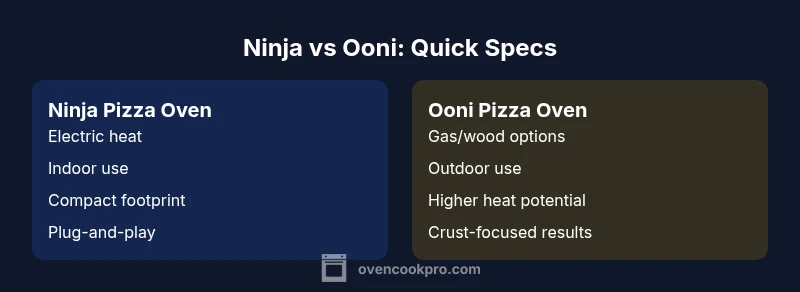
When you stack the two devices side by side, several core capabilities jump out as the main differentiators. The Ninja pizza oven is engineered for indoor use with an electric heating element, a compact footprint, and plug-and-play operation. The Ooni pizza oven emphasizes outdoor versatility, available in models that run on gas or wood, and capable of reaching very high temperatures for authentic Neapolitan-style crusts. Surface area and airflow design also differ: Ninja units tend to have a smaller interior cooking chamber with a fixed baking surface, while Ooni ovens use larger stone or steel surfaces optimized for high-heat sessions. Finally, fuel sourcing matters: electric power for Ninja is simple and clean, whereas Ooni’s gas/wood options introduce variability in preheating and heat management but unlock peak temperatures.
Heat, Temperature, and Crust Quality
Temperature potential is a critical axis for many pizza enthusiasts. In practice, Ninja ovens provide reliable, uniform heating suitable for most home pies but are limited by indoor safety and design constraints that cap peak temps. Ooni ovens, by contrast, can deliver much higher surface temperatures thanks to their outdoor-safe fuel sources, enabling rapid bake times and traditional blistering crusts when used on a properly preheated stone. If your aim is a fire-kissed, pizzeria-like crust with minimal bake time, Ooni generally has the edge. For simple, well-cooked cheese pizzas in a controlled indoor space, Ninja remains a strong, dependable performer.
Design, Build Quality, and Durability
Both brands prioritize solid construction, but their design philosophies diverge. Ninja pizza ovens emphasize compact form factors, quiet operation, and integrated controls that simplify usage for casual home cooks. Ooni units lean into rugged outdoor readiness, often with reinforced exteriors, heat shields, and modular components for easy maintenance in variable weather. Build quality should also reflect the intended setting: indoor kitchens benefit from discreet, odor-free operation, while outdoor setups should tolerate wind, rain exposure, and transport between locations. For most users, durability aligns with how consistently you deploy the oven and how well you shelter it when not in use.
Usability: Preheating, Setup, Cleanup
Ease of use can be the deciding factor for weeknight pizza sessions. Ninja ovens shine with quick setup, minimal preheating, and intuitive controls that appeal to beginners or busy households. Ooni ovens require a bit more planning—choosing a fuel source, lighting gas or wood, and waiting for higher temps—but reward this with faster high-heat baking once hot. Cleanup favors Ninja’s simpler electrical design, with fewer moving parts and ash-free maintenance; outdoor wood/gas models may require more routine upkeep (ash removal, occasional debris cleaning). If you value spontaneity, Ninja’s convenience may win; if you value peak performance and crust quality, plan for an outdoor session with Ooni.
Size, Footprint, and Portability
Footprint matters for storage and placement. Ninja ovens tend to be smaller and lighter, designed to tuck onto a kitchen counter or shelf, with straightforward portability for apartment living. Ooni ovens are larger and heavier, reflecting their outdoor purpose, but many models are still reasonably portable for car trips to outdoor gatherings. If you have a tiny kitchen or balcony and must stash gear between uses, Ninja is more forgiving. If you regularly transport equipment to events or want to set up on a deck, Ooni’s rugged design and carrying options become valuable.
Price, Value, and Ownership Costs
Pricing for Ninja and Ooni varies widely by model and fuel type, and it’s important to compare total cost of ownership rather than upfront price alone. Ninja units typically fall in the lower to mid-range when considering indoor convenience and electric operation. Ooni models span mid-range to premium, reflecting higher heat potential and outdoor capability. Value should be judged by how often you bake, where you bake, and how much you value crust texture, preheat speed, and maintenance. Remember to account for fuel costs, accessories such as extra stones or racks, and potential weatherproofing needs for outdoor use.
Real-World Scenarios and Recommendations
If your space is primarily indoors with occasional gatherings, a Ninja pizza oven offers reliable results with minimal hassle. If you regularly host outdoors, have space for an outdoor setup, and want near-pizzeria crusts, Ooni is typically the stronger long-term choice. For those who appreciate a blend of indoor use and the occasional outdoor event, consider model-by-model practicality—some Ooni configurations can be used in semi-outdoor setups with covered spaces, while certain Ninja units may suffice for small patio use. The best approach is to map your typical week: where you cook, how many guests you serve, and how much you value crust texture versus setup simplicity.
How to Decide Now: A Simple Checklist
Before purchasing, run through this quick checklist: 1) Do you cook mostly indoors or outdoors? 2) Is peak heat a priority for you? 3) How much space do you have to store the oven? 4) Do you prefer electric convenience or fuel-based versatility? 5) What’s your budget, including accessories? Use these criteria to rank which device aligns with your pizza goals, then validate by reading user reviews and Oven Cook Pro’s practical guidance on pizza oven performance in real-world kitchens.
Comparison
| Feature | Ninja Pizza Oven | Ooni Pizza Oven |
|---|---|---|
| Heat Source | Electric heating element (indoor) | Gas or wood-fired outdoor (outdoor) |
| Max Temperature | Moderate indoor temps | Very high outdoor temps when using fuel sources |
| Cooking Surface | Smaller interior surface with fixed plate | Larger stone/steel surface with stone insert in many models |
| Preheating Time | Shorter, plug-and-play preheat | Longer, fuel-dependent preheating |
| Portability | Very portable for indoors, compact footprint | Outdoor-focused but still travel-friendly in many configurations |
| Maintenance | Lower maintenance, fewer parts | Outdoor fuel-based units require ash cleanup and weather considerations |
| Best For | Indoor apartments, quick weekday pizzas | Outdoor gatherings, authentic crusts with high heat |
| Price Range | Budget to mid-range (indoor-focused) | Mid to premium (outdoor-focused with fuel options) |
The Good
- Easy, plug-and-play operation for indoors
- Compact footprint fits small kitchens and apartments
- Lower maintenance with electric heating
- Faster setup for spontaneous indoor sessions
- Good value for casual home cooks
Drawbacks
- Limited peak temperatures versus outdoor fuels
- Outdoor models require space and weather considerations
- Smaller cooking surface on some units
Outdoor performance generally favors Ooni; indoor convenience favors Ninja
Choose Ooni if you prioritize authentic, high-heat outdoor pizza with multiple fuel options. Choose Ninja if you value compact indoor use, quick setup, and simplicity for small spaces.
Questions & Answers
Which is better for apartment kitchens: Ninja or Ooni?
For indoor apartment use, Ninja generally provides easier operation and a smaller footprint. Ooni, while powerful, is more suited to outdoor spaces or well-ventilated areas. Your choice should reflect where you cook most often and how much space you can allocate. Oven Cook Pro also notes that indoor convenience often trumps maximum heat unless you have outdoor access.
For indoor apartments, Ninja is usually easier and more space-friendly, while Ooni is best saved for outdoor setups.
Are Ninja pizza ovens electric only?
Yes, Ninja pizza ovens typically rely on an electric heating element for indoor use. This makes them convenient, predictable, and easy to operate without fuel or venting concerns. They are not designed for outdoor wood-fired or gas setups as primary fuel sources.
Ninja ovens are electric and designed for indoor use.
Can Ooni ovens be used indoors?
Most Ooni ovens are designed for outdoor use with gas or wood fuels to achieve high temperatures. Some setups may be used in covered outdoor areas, but they are not typically recommended for indoor kitchens due to ventilation and heat considerations. Always follow manufacturer safety guidance.
Ooni is primarily outdoor, with safety guidelines for use in ventilated spaces.
Which tool delivers better pizza crust texture?
High-heat outdoor ovens like Ooni models generally deliver crisper, blistered crusts typical of stone-fired pizzerias. Ninja can still produce tasty crusts indoors, especially with a quality stone, but it may not reach the same level of charring and texture as a high-temperature outdoor setup.
Outdoor high-heat ovens typically give crisper, blistered crusts; indoor Ninja is excellent but usually not as charred as outdoor options.
What should I consider besides heat when choosing?
Consider space, fuel availability, weather protection, maintenance, and budget. A Ninja unit offers simplicity and compact storage, while an Ooni unit provides outdoor versatility and authentic crust potential. Think about how often you bake and where you will place the oven.
Think about space, fuel, and maintenance as much as heat when choosing.
Do these ovens require special accessories?
Both brands have optional accessories such as extra stones, pizza peels, and covers. Outdoor models may benefit from weatherproofing accessories and protective stands. Indoor models often need a pizza stone compatible with their interior dimensions.
You’ll likely want extra stones, peels, and a cover for outdoors.
Main Points
- Assess your cooking location (indoor vs outdoor) before buying
- Prioritize heat potential for crust quality when outdoors
- Expect simpler maintenance with Ninja and more setup with Ooni
- Factor in space, portability, and budget into your decision