How to Use Microwave Oven and Convection: A Complete Guide
Learn to combine microwave oven and convection modes for faster, even cooking. This expert guide from Oven Cook Pro covers mode differences, timing, safety, and step-by-step techniques for reliable results.


By the end of this guide you will confidently use microwave oven and convection modes together to cook faster with even results. You’ll learn when to switch between microwave, convection, or combo settings, how to adjust times and temperatures, and practical safety steps for handling hot dishes.
Understanding the Two Modes: Microwave vs Convection
Microwave heat concentrates inside the food, speeding up cook times for reheating and tenderizing. Convection uses a fan to circulate hot air, promoting browning and crisp texture. When you combine these modes in a microwave oven and convection setup, you can thaw, heat, and finish with browning in a single cycle. This approach is especially useful for meals that should stay moist on the interior but crispy on the exterior. For the home cook, the key is recognizing what each mode does best and applying it deliberately to different foods. According to Oven Cook Pro, grasping these basics lays the groundwork for more advanced techniques and consistent results. Note that different brands label combo settings differently; some ovens call it micro+ convection, others use combo or dual-mode. The core idea remains the same: understand the strengths and limits of each function and plan your steps accordingly. With practice, you will fine tune power levels, timing, and vessel placement to achieve reliable, tasty outcomes.
When to Use Microwave + Convection vs Either Mode Alone
There are times when microwave alone is enough, and other moments when convection is necessary. For reheated leftovers that should stay moist on the inside and not dry out, start with a short microwave heat, then finish with convection to regain texture. For baked items like small muffins or reheated pizza, convection alone often works, but a brief microwave phase can speed up warming without overcooking. A combination is ideal for defrosting frozen meals that need both even heating and a crisp exterior. The key is recognizing the dish and mapping it to a plan: if moisture is the priority, favor microwave; if texture is the priority, favor convection; if both matter, use a short hybrid cycle. Oven Cook Pro recommends testing with simple recipes first to build intuition before tackling complex meals. By practicing mode switch timing and keeping track of results, you will develop a practical sense for when to apply which setting and how to adjust times for your specific oven model.
How the Combo Oven Heats: The Science Behind It
In a dual mode oven, the electronics determine when to energize the magnetron microwave and when to run the convection fan. During a hybrid cycle, the microwave phase may preheat the interior while the convection fan begins to work, distributing heat and promoting browning. The result is that you get the best of both worlds: fast interior heating and exterior texture. For accurate results, keep the dish in a central position on the turntable to maximize even exposure. Preheating may or may not be necessary depending on the dish and the selected mode. If your model supports a preheat indicator, follow it. The science behind this approach is straightforward: microwave energy raises internal temperature quickly, while convection air speeds surface cooking. The interaction between these processes is what makes combo cooking effective for a wide range of foods.
Dishes That Benefit Most from Combo Cooking
Combo cooking shines with foods that benefit from rapid heating and surface browning. Lean proteins like chicken breasts or fish stay moist inside when given a quick microwave start, then finish with convection to develop color. Starchy sides, casseroles, and frozen entrées heat evenly without drying out when the interior is warmed fast and the top is crisped. Vegetables that are tender crisp after a brief microwave phase can become perfectly roasted with a short convection finish. Reheating leftovers, especially pizza and pasta bakes, benefits from the blend of moisture retention and crust development. In general, use the combo approach for items that require both even interior heating and an appealing exterior texture. This strategy reduces total cook time while preserving flavor and moisture, which is why many home cooks prefer it for weeknight meals.
Step-by-Step: Setting Up and Cooking with Microwave plus Convection
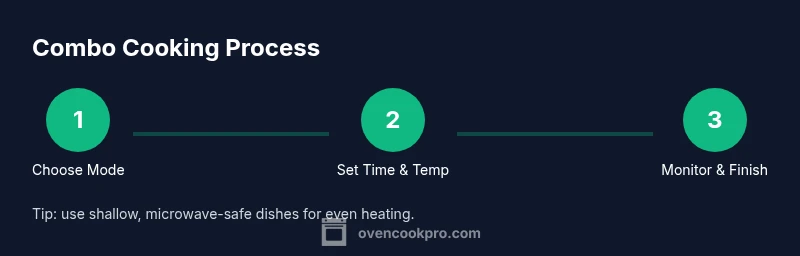
To keep this section focused, remember that the detailed actions appear in the STEP BY STEP block. Here is a practical overview to help you plan before you start: assess the dish, choose the mode, and prepare the cookware. Place the dish in the center of the turntable, ensuring even exposure to microwave energy and air flow. For many tasks, begin with a short microwave burst, then switch to convection at a higher temperature to finish browning. If the oven supports a two stage setting, set the microwave stage to 60 70 percent power and program the convection stage to a moderate bake temperature. Always verify internal temperature with a thermometer before serving. By testing on a simple dish first, you will learn how long each stage should run and how to adjust based on your oven performance.
Common Pitfalls and How to Avoid Them
One common pitfall is over reliance on microwave heat that leaves surfaces under browned. Balance the cycle by finishing with convection or by using a browning pan. Another issue is using the wrong cookware: metal and foil should be avoided in convection or combo modes. Always choose microwave safe glass or ceramic for the interior and a shallow pan for the convection finish if your oven permits. Under estimating time is another trap; reheating and cooking times vary by dish and wattage. If in doubt, start with shorter intervals and check progress frequently. Finally, remember that some foods do not respond well to hybrid cycles, such as delicate dairy based sauces; in those cases, preserve texture by using individual mode periods instead of a full combo cycle.
Advanced Techniques: Crisping, Browning, and Reheating Leftovers
Crisp up crusts by finishing with convection while using a light spray of oil on the top or edges. For reheated vegetables, a short convection burst can restore texture without overcooking. If you want a faster warm up without sacrificing moisture, use a brief microwave start followed by a longer convection phase at a moderate temperature. To reheat meat safely, aim for an internal temperature near 165 F as your target, and use the thermometer to avoid overcooking. Timing depends on the dish, thickness, and starting temperature, so log results to build a reliable personal profile for your oven model. Keep interior moisture level by using a covered dish during the microwave stage and uncovering for the convection finish if needed.
Maintenance, Safety, and Cleaning for Dual-Mode Ovens
Regular cleaning of both microwave and convection cavities helps maintain performance and flavor. Wipe spills promptly to prevent scorching and odors, then perform a light rinse to remove any residues. For safety, always use oven mitts when handling hot dishes and never operate the appliance with a loose door or damaged seal. Ensure cookware is appropriate for microwave and convection use, and avoid metal in any hybrid mode. Periodically check that the turntable rotates smoothly and that the fan duct is free of obstructions. If your user manual suggests a descaling or cleaning cycle, follow the instructions. By establishing a routine cleaning schedule, you will extend the life of the appliance and maintain consistent cooking results.
Tools & Materials
- Microwave-safe dish with lid(Glass or ceramic with a vented lid or microwave-safe cover)
- Oven-safe baking tray or shallow pan(Light-colored if possible to promote browning)
- Silicone mat or parchment paper(Prevents sticking and makes cleanup easier)
- Food thermometer(To verify internal temperature (target 165 F / 74 C for leftovers/meat))
- Silicone spatula(For turning and lifting without scratches)
- Oven mitts or heat-resistant gloves(For safe handling of hot dishes)
- Measuring cups/spoons(For precise seasoning or sauce additions)
Steps
Estimated time: 25-45 minutes
- 1
Assess dish and decide mode
Review the recipe or leftovers to determine whether to start with microwave, convection, or a combo. Consider moisture, texture, and desired finish. If you want quick heating with minimal browning, start microwave; for browning, plan convection after.
Tip: Start with a simple test on a small portion to calibrate timing. - 2
Set initial microwave phase
Program an initial microwave burst at 60–70% power for a short period appropriate to the dish (often 3–5 minutes). This boosts internal temperature quickly without drying surfaces.
Tip: Use short bursts and check progress after each burst. - 3
Switch to convection for texture
After the microwave phase, switch to convection and set a temperature suitable for the dish. Use a shallow pan and ensure the dish is centered to promote even browning.
Tip: Rotate or stir if possible to promote uniform browning. - 4
Verify doneness with a thermometer
Check internal temperature and surface doneness. If under target, extend in short intervals using the same mode sequence. For leftovers, ensure safety guidelines are met before serving.
Tip: Never rely on appearance alone; measure internal temperature. - 5
Rest briefly and serve
Let the dish rest a few minutes after cooking. Resting helps distribute moisture and finish cooking through carryover heat.
Tip: Cover loosely with a breathable lid to retain moisture while letting steam escape. - 6
Clean and store equipment
Allow the oven to cool, wash cookware and wipe the cavity to prevent residue buildup. Store tools ready for the next hybrid session.
Tip: Regular maintenance prevents flavor transfer and ensures reliable results.
Questions & Answers
Can I use both modes at the same time on any microwave oven?
Some models support a dedicated combo or dual mode, but features vary by brand. Always consult your manual or the manufacturer’s site for your exact model.
Some ovens offer a combo mode, but check your manual to confirm capability for your model.
Is preheating necessary when using convection?
Preheating is often beneficial for baked items to start browning and cooking evenly, but it can be optional for simple reheats. If your recipe calls for a crisp finish, preheating helps.
Preheating is usually helpful for convection finishes, but not always required for quick reheats.
What cookware is best for combo cooking?
Use microwave-safe glass or ceramic inside the dish and nonmetal pans for the convection finish if allowed by your model. Avoid metal, foil, and certain coated pans that aren’t rated for high heat.
Prefer microwave-safe glass or ceramic, and avoid metal for all hybrid cycles.
How do I reheat leftovers without drying them out?
Reheat with a short microwave burst to warm the center, then finish with convection to restore texture. Use a vented cover or wrap to retain moisture.
Warm in short microwave bursts, then crisp with convection, and cover to keep moisture in.
Are there safety concerns with dual-mode ovens?
Follow manufacturer guidelines, avoid overheating, and use oven mitts. Keep the cavity clean and inspect seals regularly to prevent accidents.
Stick to the manual, use mitts, and keep the oven clean for safe operation.
Watch Video
Main Points
- Master microwave and convection modes separately before using combo cycles
- Plan your timing with short bursts and rest periods
- Use microwave-safe cookware and avoid metal in hybrid modes
- Monitor internal temperature for safe, tasty results
- Regular cleaning preserves performance and flavor