Induction Oven Review: Performance, Value, and Guidance
In-depth induction oven review analyzing performance, energy savings, cookware compatibility, safety, and value to help homeowners choose the right induction oven.


Overall verdict: Induction ovens deliver fast, precise heating, high energy efficiency, and excellent control for most home cooks. They excel with compatible cookware and clear temperature feedback, though higher upfront costs and cookware requirements can deter casual users. The overall rating leans high for performance-focused kitchens.
What is an induction oven and how it works
Induction ovens heat cookware directly through magnetic induction. A copper coil beneath a heat-resistant glass-ceramic surface generates an oscillating magnetic field when current passes through it. This field induces electric currents in ferromagnetic cookware, and the friction converts energy into heat inside the pan. Because the heat is generated in the cookware rather than the oven walls, the cooktop stays comparatively cool, reducing burn risk and making messes easier to wipe away.
In a typical kitchen setup, induction is paired with convection or radiant elements to support baking and roasting. The pan's magnetic properties become the gatekeeper: if the pot isn’t magnetic, it won’t heat, even if the burner lights underneath. This means a simple magnet test can save you from buying incompatible cookware. Another practical note is that preheat times and precise temperature control are among the strongest advantages of induction. You’ll often see quick adjustments, stable simmering, and fast recovery after adding cold ingredients, which translates into more consistent results across dishes.
For homeowners reading an induction oven review, consider your cookware lineup, kitchen layout, and whether you want a full range or a standalone cooktop with an integrated wall oven. The technology itself is mature, reliable, and well-supported by reputable manufacturers, but success hinges on matching the cookware to the system and understanding the control interface.
Performance: speed, precision, and cooking results
The most noticeable edge in an induction oven review is speed. A robust induction system can bring water to a boil significantly faster than most gas or electric ranges, and the heat responds to changes in temperature almost instantaneously. This level of responsiveness translates into better control for delicate tasks like melting chocolate or tempering sauces, where a few degrees can mean the difference between success and scorching. In baking, even heat distribution—often aided by convection—helps with uniform browning and consistent crumb. Of course, real-world results depend on the model, pan size, and how you interact with the controls. Some units excel at maintainable low simmer, while others offer rapid boost modes for searing or wok-style cooking. A thorough induction oven review should compare preheat times, heat-up responsiveness, and recovery after adding ingredients across multiple dishes. When evaluated with a practical cooking test, the best models demonstrate minimal temperature drift, steady convection performance, and reliable pan detection that prevents idle heat from wasting energy. The overall takeaway is clear: speed and precision are the hallmarks of successful induction cooking, with user feedback often highlighting smoother workflows and fewer temperature surprises compared with traditional electric ranges.
Cookware compatibility and everyday workflows
Induction cooking relies on magnetic induction, so cookware compatibility is non-negotiable. A quick magnet test is your friend: if a magnet clings to the base, the pan will heat; if not, it won’t. Ferrous materials—cast iron, many stainless steels with magnetic bases, and some enameled pans—heat reliably and evenly. Aluminum or copper cookware without a magnetic bottom won’t heat unless you attach a special base adapter. Base thickness and flatness matter: uneven bases can cause hotspots and reduce heat transfer efficiency. For daily use, assemble a core set of reliable pans that cover everything from delicate sauces to high-heat searing. Nonstick options can work on induction, but always verify the base compatibility. In a real-world induction oven review, most families prefer a few high-quality frying pans, a large stock pot, and a dependable sauté pan. Organize your cabinet so you can reach your essential cookware without moving the cooking surface. The more you align your cookware with the system, the more you’ll appreciate the precision and energy savings that induction cooking promises.
Energy efficiency and cost of operation
Energy efficiency is a primary reason many homeowners pursue induction ovens. Because energy is delivered directly to the cookware, there is less energy wasted through ambient heat. When combined with smart sensors, pan detection, and efficient cooling, induction systems typically consume less energy for the same tasks compared with traditional electric coils or gas. In an induction oven review, analysts observe shorter preheat cycles and faster recovery times, which translates into practical savings over weeks and months. The economic argument strengthens for households that cook frequently or prepare multiple courses in one session. Keep in mind that the upfront price premium and the need for compatible cookware can influence payback, and the actual savings depend on your cooking habits and local energy costs. If you’re evaluating models, calculate potential energy savings against installation and cookware upgrades to determine your personal break-even point. With careful planning, you can enjoy both performance gains and meaningful energy efficiency improvements.
Safety, cleaning, and durability
Safety features on modern induction ovens are well-developed. Pan-detection prevents heat from turning on when there’s no pot on the surface, auto shut-off guards against dry cooking, and surface temperature indicators help you avoid burns. Because the surface stays relatively cool, there’s less risk of scorching spills and accidental contact injuries. Cleaning is straightforward: wipe the glass-ceramic surface with a damp cloth and a non-abrasive cleaner, avoiding harsh chemicals that could degrade coatings. Scratches are a cosmetic concern rather than a safety issue, but you’ll want to protect the surface with proper cookware and mats. Durability varies by brand and model; most units withstand daily kitchen use if cleaned regularly and treated with care. In a thorough induction oven review, reviewers weigh maintenance needs, the reliability of control panels, and how serviceable the product is given regional availability of parts and technicians. Overall, the safety and upkeep profile tends to be favorable for long-term use.
Real-world use cases: baking, roasting, and multi-course meals
Induction ovens handle complex cooking tasks with ease. For example, you can sear a steak to perfection on high heat and then switch to a precise bake temperature for finishing in a convection-tan environment. Roasting a chicken with vegetables benefits from quick, even heat and the ability to adjust heat rapidly without overshooting. For multi-course meals, the predictable heating curve helps maintain consistent results across dishes with very different requirements. Many cooks use induction ovens for pastry and delicate bakes because the precise control reduces the risk of scorching or drying out edges. In this section of an induction oven review, note whether the model offers flexible zone sizing, accurate temperature hold, and reliable pan detection when you expand your menu. The practical takeaway is that mastering induction cooking is less about raw wattage and more about how fast and accurately the system responds to your commands.
Design considerations: where induction ovens fit in kitchen layouts
Integrating an induction oven into a kitchen involves more than selecting a model. Space planning matters: ensure your cabinet cutouts match the unit’s dimensions, account for ventilation needs, and plan for safe clearance around the cooking surface. Induction cooktops are well-suited for island installations and open-plan rooms because their heat is largely contained in the cookware. If you’re choosing a wall oven with an induction cooktop, consider how access, service routing, and oven-height ergonomics align with your cooking style. Some homes require upgrading electrical circuits or adding dedicated outlets, particularly for high-wattage models with multiple burners. In a well-considered induction oven review, reviewers highlight installations that minimize distance between the cooktop and prep zones, maintain airflow for cooling, and use compatible downdraft or range hoods. Finally, account for future kitchen changes: a different countertop depth, cabinet configuration, or even a move can affect long-term satisfaction with your induction system.
Price, warranties, and value comparison
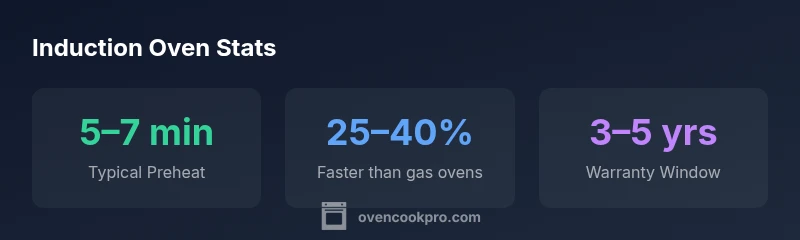
Price generally rises with features, wattage, and brand reputation. Entry-level induction ovens can be more accessible, while premium lines offer advanced controls, multi-zone heat, and integrated sensors. A common price band for mid-range units sits in the range of roughly $1,200–$2,500, with higher-end configurations or commercial-grade builds surpassing $3,000. Warranties vary by manufacturer and region, but many include 1–3 years of coverage for parts and labor, with optional extended plans. When evaluating value, consider energy savings, preheat reduction, and the cost of upgrading cookware. If you cook often or host gatherings, the improved control and speed may justify the elevated purchase price. A thoughtful induction oven review will contrast these factors across several models, helping you identify which configuration offers the best payoff over a typical ownership horizon.
How to choose the right induction oven: a decision checklist
Use this checklist to guide your choice: 1) Define your kitchen layout and electrical capacity; 2) Decide between a standalone induction cooktop, a full induction range, or an oven with an induction top; 3) Compare preheat times, pan detection, and control interfaces; 4) Confirm cookware compatibility requires ferromagnetic metals; 5) Review warranty terms and service availability; 6) Check for energy-saving features and smart controls; 7) Read user reviews and compare real-world performance in an induction oven review. With these criteria, you’ll select a model that fits your cooking style, family size, and budget.
Troubleshooting common issues
Even the best induction ovens may present minor issues. If a pan won’t heat, re-test with magnetic cookware and verify the pan’s base is flat and fully contacting the surface. If the surface seems cool but the pan won’t heat, check the power supply and circuit breaker, and confirm the control lock isn’t engaged. For inconsistent heat, calibrate the temperature settings and inspect cookware compatibility. If residue interferes with pan detection, clean the surface thoroughly and ensure nothing is stuck on the sensor area. When in doubt, consult the user manual or contact customer support. Regular maintenance and correct usage typically resolve most common problems, and a well-chosen model will provide reliable performance for years.
The Good
- Fast, precise heating for better control
- Energy-efficient operation and reduced preheat times
- Excellent temperature stability for simmering and delicate baking
- Cooler cooktop surface reduces burn risk
- Clear, responsive controls and modern safety features
Drawbacks
- Higher upfront cost than many electric or gas ranges
- Requires compatible cookware and potential replacement of existing pots
- May have a learning curve for first-time users
- Some models have smaller oven cavities or more complex controls
Strong overall for performance-focused kitchens
Induction ovens deliver fast, precise heating and energy efficiency, making them ideal for serious home cooks. They require cookware upgrades and incur higher upfront costs, but long-term cost savings and better control justify the investment for most households.
Questions & Answers
What is an induction oven and how does it work?
Induction ovens heat cookware directly via magnetic fields. The heat is generated in the pan, not in the air or oven walls, which leads to rapid heating and precise control.
Induction heats the pan, not the air, so it heats fast and stays cooler to the touch. If you’re unsure about cookware, try a simple magnet test.
Are induction ovens safe?
Yes. Induction systems include auto-off features, pan-detection, and cool surfaces, reducing burn risk. Always follow manufacturer guidelines and use compatible cookware.
Induction ovens are very safe: the surface stays cool and the system shuts off if a pan is removed or something goes wrong.
Can I use all cookware on induction ovens?
Only pots and pans with ferromagnetic bases heat efficiently on induction. A magnet test helps. Some aluminum or copper cookware works with a magnetic base adapter.
Most steel and cast iron pans work fine; if in doubt, check the magnet test.
Is preheating faster with induction ovens?
Yes, preheating is typically faster due to direct heat transfer and responsive controls. The exact time depends on pan size and the model.
Preheating is usually quicker with induction. Use a compatible pan for best results.
Do induction ovens require special installation?
Some models may require dedicated electrical circuits or ventilation, but many fit standard kitchen wiring. Check the unit’s installation guide and local codes.
Some setups may need a dedicated circuit. Your installer can confirm wiring and clearance.
How do I clean an induction oven?
Clean the surface with a damp microfiber cloth after use; avoid abrasive cleaners. Keep the sensor area clear of residue to prevent misreads.
Wipe the surface with a damp cloth; avoid harsh cleaners and keep sensors clean.
Main Points
- Induction ovens excel at speed and control
- Ensure compatible cookware to unlock full performance
- Factor in higher upfront costs and potential replacement pots
- Expect sharp energy efficiency and precise simmering
- Measure your kitchen space for the right size and ventilation