How to Get Oven Fries Crispy: Step-by-Step Guide
Learn how to get oven fries crispy with a proven method: russet potatoes, even-cut sticks, soaking, drying, a light cornstarch dusting, and hot roasting for unbeatable crunch.


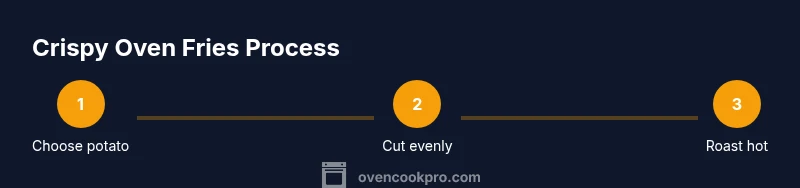
Goal: Crispy oven fries using simple steps: choose a starchy potato, cut into uniform sticks, soak and dry thoroughly, apply a light cornstarch coating, toss with oil, and roast on a hot sheet pan in a single layer, flipping halfway for even browning. Finish with salt and serve immediately. For best results, keep fries dry and avoid overcrowding the pan.
Why potato selection and cut size determine crispiness
Crispiness starts with the right foundation. For oven fries, use a high-starch potato like Russet (Idaho) rather than waxy varieties. The starch content helps form a crust when exposed to high heat. Aim for uniform sticks about 1/4 to 1/2 inch thick so all pieces brown at roughly the same rate. Irregular sizes lead to some fries overcooking while others stay soft, sabotaging the overall texture. In addition, keep the potato skin on if possible; the skin acts as a natural barrier and adds extra crunch. If you prefer skinless fries, trim evenly and dry thoroughly to reduce moisture.
Preparation mindset: soaking, drying, and starching for extra crunch
Soaking the cut potatoes in cold water for 30 to 60 minutes helps remove surface starch that can make fries soggy. After soaking, drain and pat completely dry with towels. The drier the surface, the better the oil will adhere and the crisper the fries will become. A light dusting of cornstarch or arrowroot on the dry fries creates an additional crispy crust as it absorbs surface moisture and promotes browning. If you don’t have cornstarch, a tiny amount of flour can work, but starch is the most reliable option for a crackly crust.
Heat, oil, and roasting technique for maximum crunch
Roasting at a high temperature is crucial. Preheat the oven to 425–450°F (220–230°C) and use a preheated, lightly oiled sheet pan. Toss the fries with just enough oil to coat (about 1–2 tablespoons per pound) so they fry rather than steam. A single, even layer on parchment or a silicone mat prevents sticking and ensures consistent browning. If your oven runs cool on one side, rotate the pan halfway through to avoid uneven browning. Convection can help move hot air and improve crispness, but it’s not mandatory if you don’t have it.
Pan setup and layout: avoid soggy, crowded fries
Spread fries in a single layer with space between pieces. Crowding traps steam and yields limp edges. If you’re cooking for a crowd, use two shallow pans or bake in batches to preserve the crispiness. A wire rack set inside a sheet pan works wonders by letting air circulate around every fry, though you’ll need to monitor so the bottoms don’t burn. Bake on the middle rack to maintain stable heat and browning across all fries.
Finishing touches and serving ideas to maximize impact
When the fries emerge golden and crisp, season immediately with salt while the surface is hot. Consider finishing with garlic powder, smoked paprika, or grated parmesan for extra depth. Serve right away with dipping sauces like garlic aioli, ketchup, or a tangy yogurt dip. To keep them crisp if you’re holding for a few minutes, place the fries on a rack in a warm (not hot) oven for 2–3 minutes before serving.
Troubleshooting: common issues and quick fixes
If fries are soggy, check moisture removal and ensure the pan is hot before adding fries. If browning is uneven, rotate the pan and consider a very light dusting of starch on larger potatoes. If you must bake in advance, reheat on a hot sheet for 5–7 minutes to refresh crispiness. Remember: crispness is a balance of dryness, heat, and space.
Authoritative sources for further reading
For evidence-based guidance on potatoes and cooking methods, consult authoritative sources such as the USDA, university extension programs, and reputable cooking publications. These resources provide foundational information on potato varieties, moisture management, and safe cooking techniques that support achieving crispy oven fries.
Tools & Materials
- Russet potatoes (or other high-starch potatoes)(3-4 medium potatoes per person; cut into uniform sticks 1/4–1/2 inch thick)
- Water(For soaking potato sticks)
- Large bowl(For soaking and tossing)
- Sharp knife and cutting board(Even cuts prevent uneven cooking)
- Clean kitchen towels or paper towels(For drying fries thoroughly)
- Colander or draining rack(Draining and rinsing potatoes)
- Parchment paper or silicone baking mat(Prevents sticking and makes cleanup easier)
- Two rimmed baking sheets (or one, baked in batches)(Single layer helps air flow)
- Cornstarch or arrowroot starch(Dusting for extra crisp (optional))
- Neutral oil with high smoke point (canola, vegetable, or peanut)(Light coating to aid browning)
- Salt(Season immediately after baking)
- Optional seasonings (garlic powder, paprika, pepper)(Add for enhanced flavor)
Steps
Estimated time: 60-90 minutes
- 1
Preheat oven and prepare sheet
Preheat the oven to 425–450°F (220–230°C) and position a rack in the middle. Line two rimmed baking sheets with parchment or a silicone mat. A hot, prepared surface starts the browning process immediately, helping fries crisp rather than steam.
Tip: Preheating the sheet pan is a simple trick that boosts browning from the moment you slide in the fries. - 2
Cut potatoes into uniform sticks
Wash and dry potatoes, then cut into uniform sticks about 1/4–1/2 inch thick. Uniform size ensures consistent cooking and color across all pieces.
Tip: Keep the knife steady and use a guide to maintain even thickness for best results. - 3
Soak to remove surface starch
Soak the cut sticks in cold water for 30–60 minutes. This step draws out surface starch, reducing sogginess and enabling crisper edges once baked.
Tip: If you're short on time, a quick rinse and thorough drying can help, but longer soaking yields crisper fries. - 4
Dry and apply starch (optional)
Drain and pat fries completely dry with towels. Lightly dust with 1–2 tablespoons of cornstarch per pound of potatoes to promote crust formation during roasting.
Tip: Ensure there is no moisture left; moisture is the enemy of crisp. - 5
Oil and season, then spread in a single layer
Toss the fries with enough neutral oil to coat each piece lightly. Spread them in a single layer on the lined sheets, giving each fry space to breathe.
Tip: Over-oiling can make fries greasy; a thin coat is enough for color and crunch. - 6
Roast and flip for even browning
Roast 25–35 minutes, turning or flipping the fries halfway through. Look for deep golden edges and crisp surfaces when they’re ready.
Tip: If your oven runs cool on one side, rotate the pans to even out heat exposure. - 7
Finish and serve immediately
Remove from the oven, season with salt, and serve immediately with your favorite dips. A brief rest helps set the crust before plating.
Tip: Add a pinch of extra salt right before serving to maximize flavor and maintain crispness.
Questions & Answers
What potato is best for oven fries?
Russet potatoes are ideal for crispy oven fries due to their high starch content, which promotes browning and crust formation. They brown evenly when cut into uniform sticks and roasted at a high temperature.
Russets are best for crispy fries because their starch helps them brown nicely.
Why are my fries soggy even after baking?
Sogginess usually comes from moisture on the surface, overcrowding the pan, or insufficiently hot oven. Ensure thorough drying, use a single layer with space, and bake at a high temperature.
Moisture and crowding cause soggy fries; dry well and keep them spaced out.
Can I skip soaking the potatoes?
Soaking reduces surface starch and helps with crispness, but you can skip it if you’re short on time. Dry thoroughly and consider a light cornstarch dusting for better texture.
Soaking helps, but you can still get good results with thorough drying.
Is convection necessary for crispy fries?
Convection helps by moving hot air around the fries, improving browning. It’s not essential; you can achieve crispiness with a hot oven and proper spacing.
Convection helps, but it isn’t strictly necessary.
How can I reheat fries without making them soggy?
Reheat fries in a hot oven (425°F/220°C) for 5–10 minutes on a single layer until crisp again. Avoid microwaving, which makes them soft.
Reheat in a hot oven to restore crispiness.
What oil should I use for crispiness?
Use a neutral oil with a high smoke point (like canola or light olive oil) for even browning without overpowering flavor.
Neutral oil with a high smoke point is best to brown evenly.
Can I add garlic or spices directly?
Yes. Mix garlic powder, paprika, or pepper into the oil before tossing the fries for extra flavor. Avoid wet pastes that could add excess moisture.
You can season with spices in the oil for extra flavor.
Watch Video
Main Points
- Choose Russet potatoes for maximum starch and crunch.
- Dry thoroughly after soaking to prevent soggy fries.
- Roast hot and in a single layer with space between pieces.
- Dust with cornstarch for extra crispiness, if desired.
- Season immediately and serve hot for best texture.