How to Bake While Camping: A Complete Guide for Beginners
Learn practical, safe camping baking with a camp stove and Dutch oven. This step-by-step guide covers gear, heat control, recipes, safety, and cleanup for delicious outdoor baking.


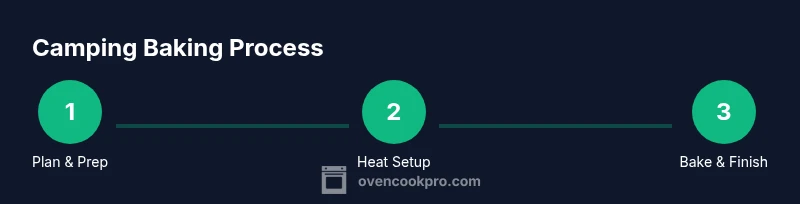
By the end of this guide you will know how to bake outdoors using a camp stove or Dutch oven, with reliable gear, heat-control techniques, and simple recipes. You’ll learn prep steps, timing, and safety practices that maximize flavor while minimizing risk. This quick answer previews the core method: plan your bake, manage heat with coals or a stove, and use sturdy bakeware designed for camping.
The Case for Camping Baking
If you’re wondering how to bake when camping, you’re about to discover that outdoor baking is not just possible but deeply rewarding. The key is adapting familiar kitchen techniques to a rugged, variable environment. You’ll use heat sources like a camp stove or a campfire, but the real magic happens when you control heat with careful setup, reliable bakeware, and smart timing. According to Oven Cook Pro, the most dependable outdoor bakes hinge on choosing recipes with forgiving textures and prep that travels well. In practice, this means selecting doughs or batters that rise reliably without dairy-heavy requirements, and using tools that distribute heat evenly. Expect to craft crusty breads, tender muffins, and simple desserts that emerge from a Dutch oven, cast-iron skillet, or foil packets with a crisp exterior and a moist interior. The goal is to create an enjoyable, low-stress experience where you can savor the process as much as the result, even when your cooking site shifts with wind, rain, or varying fuel supply. This section will frame the why and the what of camping baking and set expectations for rest of the guide.
Keywords to note: camping baking, outdoor cooking, camp stove, Dutch oven, heat management, simple recipes, leave-no-trace.
Essential Gear for Outdoor Baking
Outdoors, reliability matters more than fancy gadgets. The core gear list below keeps you flexible across most campsites and conditions. Start with a sturdy Dutch oven (5-6 quart works well for doughs and foiled meals), a cast-iron skillet, and a reliable camp stove or grill grate. You’ll want oven-safe bakeware, such as silicone molds, parchment paper, and a metal baking pan that fits inside your Dutch oven. Use heat-safe gloves and long-handled tongs to handle hot lids and pans, and bring a thermometer or an instant-read timer to track internal temperatures when necessary. Parchment paper and aluminum foil are your best friends for easy cleanup and versatile cooking—think foil-wrapped banana bread, no-muss, no-fuss breakfasts, and simple veggie sides that bake alongside pastry goods. Finally, pack a small fan or windbreak to stabilize heat in gusty conditions. With the right gear, you’ll expand your outdoor menu from basic hot dogs to breads, muffins, and even desserts.
Pro tip: Label and pre-measure ingredients at home to simplify measuring at the campsite, especially in windy or dim light conditions.
Planning Ahead: Best Baked Goods to Make Outdoors
Outdoor baking shines when you choose recipes that adapt well to camp-life constraints: limited ingredients, no electricity beyond your fuel source, and the need for predictable timing. Great starters include campfire bread or skillet bread, banana bread in a Dutch oven, and muffins baked in a small oven-safe tin. Foil packets are your friend for sachets of cinnamon apples, peach halves, or savory herb potatoes steaming alongside a main bake. Muffins, quick breads, and simple yeast breads can be adjusted to bake in a Dutch oven using indirect heat, while cookies and bars can be made by pre-mixing dry ingredients and bringing wet components in a resealable container. When selecting recipes, prioritize ones that do not rely on specialized ingredients or precise rising times. Convenience, reliability, and flavor should guide your choices. Always plan a backup option in case fuel or heat is slower than expected, and keep portions moderate so you can restock during a hike or camp setup.
Key idea: start with one or two dependable recipes and gradually expand as you gain confidence and camp setup consistency.
Mastering the Fire: Temperature and Heat Management
Heat control is the backbone of successful camping baking. Direct flame can quickly scorch crusts, while too little heat yields dense interiors. The best approach is a hybrid system: radiant heat from the flame for browning plus indirect heat from the Dutch oven or pan resting on a bed of coals. For indirect heat, build a stable hot layer by arranging 8-12 hot coals beneath the oven or pan and another 8-12 on the lid. Rotate the pot a quarter-turn every 10 minutes to ensure even cooking. Preheat the Dutch oven lid to act as a thermal mass, and consider using a rack to lift the bakeware off the bottom of the pot. If you’re working with a camp stove, stabilize the flame to a medium-low setting and use a diffuser plate if possible. Keep a thermometer handy for monitoring internal temperatures—bread should be around 190-200°F (88-93°C) for doneness, while muffins and quick breads land near 180-190°F (82-88°C). In all cases, plan for a 20-30 minute bake window and check frequently once you’re near the end of time.
Safety note: never leave a stove or fire unattended. Maintain a clear space around the heat source and keep flammables away from the cooking area.
Dutch Oven Techniques and Alternatives
The Dutch oven is a camping baker’s best friend. It traps heat, seals in steam, and creates a crust that rivals home ovens. Start by lightly oiling the interior and lining with parchment for easier removal. For breads, place dough directly inside the well-oiled pot, seal the lid, and use indirect heat so the crust forms evenly without burning the bottom. If you don’t have a Dutch oven, alternatives exist: heavy cast-iron skillets with tight-fitting lids, or foil packets placed on a grate over hot coals. Foil packets are ideal for quick breads and fruit desserts, letting steam do the work while you monitor doneness by checking for a clean toothpick or internal color change. Temperature control remains essential: never crank up the heat to speed up cooking, and avoid direct flames under the bakeware, which can cause scorching. Cleanliness matters too—cool the cookware gradually to prevent warping and wash with a small amount of soap if water is available, or wipe clean with a damp cloth and dry thoroughly when water is scarce.
Tip: shade your lid with a damp cloth to reduce surface scorching and help even browning.
Simple Camping Baking Recipes You Can Start Today
Here are three reliable recipes that adapt well to camp life while keeping prep simple and mess minimal.
- Campfire Dutch Oven Bread: Mix basic dough at home or at the site with flour, water, yeast, and a pinch of salt. Knead lightly, let rise briefly, and bake in a greased Dutch oven over indirect heat, turning the pot as described earlier. The result should yield a crusty exterior and a soft, chewy interior.
- Foil-Wrapped Banana Bread: Combine mashed ripe bananas, flour, sugar, eggs, and a touch of baking powder. Pour into a loaf pan or directly into foil-wrapped forms. Bake close to indirect heat for a gentle rise and moist crumb. Remove when a skewer comes out clean and the top browns nicely.
- Skillet Cornbread: A quick cornbread batter baked in a cast-iron skillet with a light touch of oil yields a golden crust and tender interior. Temperature management is key here to avoid burnt edges while keeping the center fully cooked.
Each recipe is designed for minimal cleanup and portability. Carry dry ingredients in labeled jars or bags and bring wet ingredients in small, sealed containers to reduce weight and space consumption. A simple checklist helps ensure you don’t forget essentials when hiking or moving campsites.
Troubleshooting Common Camping Baking Challenges
Outdoor baking comes with unique hurdles. Wind, unpredictable heat, and limited water can complicate timing and texture. If your crust browns too quickly, shield the pan with a heat-safe lid or foil layer, and reduce ambient heat by moving heat sources away from direct exposure. If the interior looks underbaked, give it additional indirect heat in small intervals while monitoring closely—check for a firm bottom and a clean toothpick or skewer test in the center. When moisture is insufficient, add a tablespoon of water to the batter or dough and re-cover to reintroduce steam.
Keeping a small, weather-resistant notebook helps you track what works best at your site, so you can adjust for wind, altitude, and fuel type in future trips. Remember that practice improves outcomes more than chasing perfection on the first try. The more you bake outdoors, the more you’ll understand how your heat source behaves and how to adjust for variations in real-time.
Safety, Cleanup, and Leave-No-Trace Practices
Outdoor cooking should leave minimal impact on the environment. Always follow Leave No Trace principles: choose established fire rings if available, avoid placing pans on unburned ground where heat could cause scarring, and fully extinguish flames before leaving the site. Clean up by wiping down surfaces with a damp cloth if water is accessible, or by carrying out soapy water in a bottle for later disposal away from natural water sources. After baking, allow cookware to cool gradually; sudden temperature shifts can warp metal. Store leftovers safely in sealed containers or reuse ingredients in another meal before you pack up. Finally, store all fuel sources and tools securely to prevent wildlife interference. Keeping these practices consistent ensures camping remains enjoyable and safe for everyone nearby.
Quick-Reference: Timing and Heat Chart
- Bread in a Dutch oven: indirect heat with a 20-30 minute bake, rotate every 5-10 minutes; target internal temp around 190-200°F (88-93°C).
- Muffins or quick breads: 15-25 minutes indirect heat, check for springy texture and golden top.
- Foil packets: 15-25 minutes on indirect heat, turn once for even browning.
- Desserts: 10-20 minutes depending on thickness and heat consistency; monitor for scorching on the bottom and sides.
Use a timer with a loud alarm to account for wind. When heat is uneven, rotate your bakeware and adjust positioning to keep temperature stable throughout the cook.
Tools & Materials
- Dutch oven (5-6 quart)(Fits standard coals; provides indirect heat; lid doubles as a cooking surface.)
- Cast-iron skillet with lid(Alternative to Dutch oven; use tight lid for similar heat retention.)
- Camp stove or campfire grate(Primary heat source; ensure fuel is available for the duration of baking.)
- Parchment paper(Prevent sticking and simplify cleanup.)
- Aluminum foil(Create packets for even cooking and cleanup convenience.)
- Oven-safe bakeware (pan or mold)(Silicone molds or metal pans fit inside the Dutch oven.)
- Heat-safe gloves and long-handled tongs(Protect hands when handling hot lids and pans.)
- Thermometer or timer(Monitor internal temperatures and timing precisely.)
Steps
Estimated time: 60-120 minutes
- 1
Plan the bake
Choose a recipe suitable for camping and confirm you have all ingredients and tools. Estimate heat needs and decide whether to bake on direct or indirect heat. Prepare portions and pre-measure dry ingredients to reduce campsite mess.
Tip: Pre-measure dry ingredients at home to speed up the process and keep ingredients organized. - 2
Assemble gear
Layout bakeware, parchment, foil, and utensils within easy reach. Preheat the Dutch oven or skillet by warming it on the stove or near the heat source to speed up browning.
Tip: Have a windbreak ready to prevent heat loss in gusty conditions. - 3
Prepare dough or batter
Mix ingredients in a light bowl or sealed container. For breads, let dough rest briefly if time allows; for muffins, fill cups or molds 2/3 full. Use parchment to ease removal later.
Tip: Avoid overly sticky dough; add small amounts of flour if necessary to maintain shape. - 4
Set up heat
Create a bed of coal or set the camp stove to a stable medium heat. If using a Dutch oven, place on a trivet and add 8-12 hot coals under the pot with a similar amount on the lid.
Tip: Rotate the pot every 10 minutes for even heating. - 5
Bake with indirect heat
Cover and monitor the bake, checking visuals and texture. Use the lid as a baking surface to promote even browning. If the bottom browns too quickly, shift the pot slightly away from direct heat.
Tip: Keep a small water bottle handy to reintroduce moisture if the crust browns too fast. - 6
Check for doneness
Use a toothpick or skewer to test center items like bread or muffins. When clean, remove from heat and let rest briefly before serving.
Tip: If the center remains soft, cover and bake a few more minutes in 5-minute bursts. - 7
Cool and store
Cool baked goods on a heat-safe surface before packing. Use breathable containers to maintain texture and prevent sogginess.
Tip: Label containers to simplify rehydration timing or use within a day for best taste. - 8
Cleanup and packing
Let cookware cool slowly, then wipe clean with a damp cloth or minimal soap if water is available. Pack leftovers in sealed containers and store fuel away from sleeping areas.
Tip: Leave no trace by cleaning up thoroughly and properly disposing of waste.
Questions & Answers
Do I really need a Dutch oven to bake while camping, or are alternatives okay?
A Dutch oven is ideal for even heat and moisture retention, but you can bake with a cast-iron skillet or foil packets if you don't have one. The key is controlling heat and using a lid or foil to trap steam.
You can bake with alternatives, but the Dutch oven is the easiest for even heat and moisture. Cast iron or foil packets work in a pinch.
What heat source works best for camping baking?
A camp stove or campfire with indirect heat is best for camping baking. Building a coal bed and using a lid helps maintain steady temperatures for even cooking.
A camp stove or a fire with indirect heat is best. Use a lid and a coal bed to keep temperatures steady.
How long should camping baked goods stay on the heat?
Bake times vary by recipe, but plan for 15-30 minutes for quick breads and muffins, and 20-40 minutes for loaves, with checks every 5-10 minutes as you approach doneness.
Most camp bakes take 15 to 40 minutes. Check early and often as you approach doneness.
Can I bake without preheating?
Preheating helps build stable heat, but you can bake without it by giving the oven or pan time on a gentle heat to come up gradually. Expect longer bake times and monitor texture closely.
Preheating helps, but you can bake without it by baking longer and watching closely for doneness.
What are some easy camping-friendly recipes?
Bread, muffins, cornbread, and simple foil-wrapped desserts are ideal. Choose recipes with minimal heavy ingredients and predictable rises. Pack dry ingredients and measure wet ingredients at the site when possible.
Bread, muffins, cornbread, and simple foil desserts are great. Keep ingredients light and simple.
Watch Video
Main Points
- Plan ahead with gear and recipes tailored to camping.
- Master indirect heat using a Dutch oven for even browning.
- Keep cleanup simple with parchment, foil, and proper storage.
- Choose forgiving recipes that adapt to outdoor constraints.