Gas Convection Oven: Practical How-To Guide
Discover how a gas convection oven works, why it matters for even browning, and step-by-step techniques to bake, roast, and maintain safely in a home kitchen.


Goal: maximize even browning and faster cooking using a gas convection oven. You’ll need a gas oven, proper ventilation, an oven rack that allows airflow, and reliable thermometer checks. This guide covers differences from standard ovens, step-by-step usage, safety tips, and maintenance practices to help home cooks achieve consistent results.
What is a gas convection oven and why it matters
A gas convection oven combines a gas-fired heat source with a built-in fan that circulates hot air around the interior. The result is more uniform heat distribution, faster cooking, and better browning on foods that benefit from a steady, dry heat. For many home cooks, this means you can bake cookies more evenly, roast vegetables with less drying on the edges, and achieve a consistent crust on breads. According to Oven Cook Pro, understanding how the fan and flame interact helps you predict outcomes and reduce trial-and-error sessions. Your kitchen’s ventilation is important here, because gas combustion produces moisture and heat that can influence flavor and appliance longevity. Expect crisper exteriors and juicier interiors when you learn to leverage air movement rather than fighting it with closed doors and crowded pans.
In practice, you’ll notice the convection fan pushes hot air across the food, helping surface moisture evaporate and promoting browning. When used correctly, this can shorten overall cooking times and provide more repeatable results across multiple batches. The key is to think in terms of air flow, placement, and a calibrated temperature that compensates for the added circulation. Homeowners who adopt a few best practices—such as preheating with the fan on and avoiding overcrowding—often see noticeable improvements in both texture and consistency.
From a safety and maintenance perspective, gas convection ovens require the same caution you’d apply to any gas appliance: ensure proper ventilation, check ventilation filters if your model has them, and keep an eye on venting when you’re running the oven at high heat. Regular cleaning of racks and interior surfaces helps air move freely, preventing hotspots that can burn food or stain oven walls. By comprehending how the convection system interacts with gas heat, you’ll be better prepared to adapt recipes and troubleshooting strategies for reliable results.
The Oven Cook Pro team emphasizes that mastery comes with practice and a clear mental model of how air moves inside the cavity. Start with simple tests—bake two batches of the same sheet pan at the same temperature, one on a single rack and one with a second rack above—to observe how results vary. Then adjust future timings and temperatures based on what you learn, rather than relying on guesswork.
role_name_placeholder_for_field_alignment_unknown_unused_if_empty_since_json_structure_requires_string_bodyBlocks_can_accept_multiple_entries_they_are_defined_above
Tools & Materials
- Oven thermometer (probe-style)(Reads current oven air temperature; place away from vents for an accurate read)
- Baking sheets or metal pans(Shallow pans promote better air flow and crust development)
- Extra racks or rack spacers(Useful for multi-rack cooking; ensures air movement around all foods)
- Oven-safe mitts and towels(Heat-resistant, protects hands during loading and rotating)
- Ventilation setup(Range hood or open window; gas ovens benefit from good air exchange)
- Mild dish soap and non-abrasive sponge(For post-use cleaning of racks and interior surfaces)
Steps
Estimated time: 25-40 minutes
- 1
Identify convection mode and preheat
Consult your oven’s manual to confirm convection or fan-assisted mode. Turn on the convection fan and set the oven to your target temperature before loading food, allowing the interior to reach a steady state. This ensures even heat distribution from the start.
Tip: If you’re unsure about the fan operation, test a small bake at a modest temperature to confirm airflow. - 2
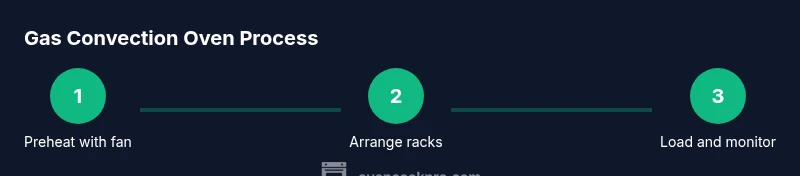
Preheat with the fan on
Preheat the oven with the fan running until the thermometer reads the desired setpoint. Avoid opening the door during preheat; each opening can cause temperature fluctuations and uneven browning.
Tip: Use the thermometer probe to monitor real-time temperature rather than relying solely on the oven’s display. - 3
Arrange racks for optimal airflow
Place food on racks that allow air to circulate around all sides. Leave space between pans and avoid crowding the cavity. If cooking multiple items, stagger their positions to maximize air movement.
Tip: Two-tier cooking is great for convection; rotate pans midway through to equalize exposure. - 4
Load food and start timing
Insert trays or pans carefully to avoid disrupting airflow. Start with a slightly shorter time than a conventional bake and check for doneness using a thermometer or visual cues. The fan can speed up both outer browning and interior cooking.
Tip: Check the internal temperature early for proteins; convection can push beyond target temperature quickly. - 5
Adjust temperature and rotate as needed
If browning is behind or uneven, slightly reduce the temperature (by about 25°F / 15°C) and rotate items. Reassess after a short interval; convection cooking rewards small, iterative adjustments rather than a single big change.
Tip: Keep a log of adjustments to reproduce consistent results on future cooks. - 6
Finish, rest, and clean
Once done, remove food and let it rest as appropriate. Allow the oven to cool before removing racks for cleaning. Regular cleaning prevents residue buildup that can impede airflow.
Tip: Wipe interior surfaces after cooling; avoid using abrasive cleaners that can damage coatings.
Questions & Answers
What is a gas convection oven and how does it work?
A gas convection oven uses a built-in fan to circulate heated air created by a gas burner. The moving air helps foods brown more evenly and can reduce overall cooking times. Understanding airflow and temperature adjustments helps you translate convection benefits into reliable results.
A gas convection oven uses a fan to move hot air around the food, which helps it brown evenly and cook a bit faster. Knowing how airflow affects timing makes convection cooking easier.
Can I use gas convection ovens for baking cookies and pastries?
Yes. Convection improves surface browning and can shorten bake times. For delicate cookies, use moderate temperatures and monitor closely to prevent over-browning. You may also reduce the recipe’s suggested temperature by about 20-25 degrees Fahrenheit if you notice excessive browning.
Absolutely. Convection helps cookies brown nicely; start with a lower temperature and watch closely the first few batches.
Do I need to adjust temperature when using convection mode?
Most convection cooking benefits from lowering the standard recipe temperature by about 25°F to 50°F, depending on your oven and recipe. If your food browns too quickly, drop the temperature a bit more or shorten the bake time. Always test with a small batch first.
Usually you lower the recipe temperature a bit when using convection, then adjust based on results.
Is convection cooking safe for gas ovens?
Gas convection ovens are generally safe when used with proper ventilation and routine maintenance. Ensure the range hood is functioning, keep the interior clean, and avoid leaving the oven unattended at high heat. If you smell gas or suspect a leak, exit the area and contact your gas provider immediately.
Gas ovens with convection are safe when you ventilate properly and maintain the unit. If you smell gas, leave and call for help.
How should I clean and maintain a gas convection oven?
Regular cleaning of racks and the interior helps air circulate freely and prevents flavor transfer between dishes. Use mild soap, warm water, and a non-abrasive sponge. Check the door seals and vents periodically for signs of wear or blockages.
Keep racks clean and vents clear; clean with mild soap and water and inspect seals from time to time.
What foods benefit most from a gas convection oven?
Roasts, vegetables, and baked goods with crisp exteriors tend to benefit most from convection. Foods where you want a soft interior or delicate crumb may require lower temperatures or shorter times to avoid over-drying.
Roasts and crispy veggies shine in convection; delicate breads may need adjustments.
Watch Video
Main Points
- Understand airflow drives convection results
- Preheat with fan on for even heating
- Space and rotate for consistent browning
- Monitor with a thermometer for accuracy
- Ventilation supports safe operation and flavor