Pizza Oven Specs: What Home Cooks Need to Know
Explore pizza oven specs—from temperature ranges to insulation and heat retention. A data-driven guide for homeowners with practical, step-by-step insights.


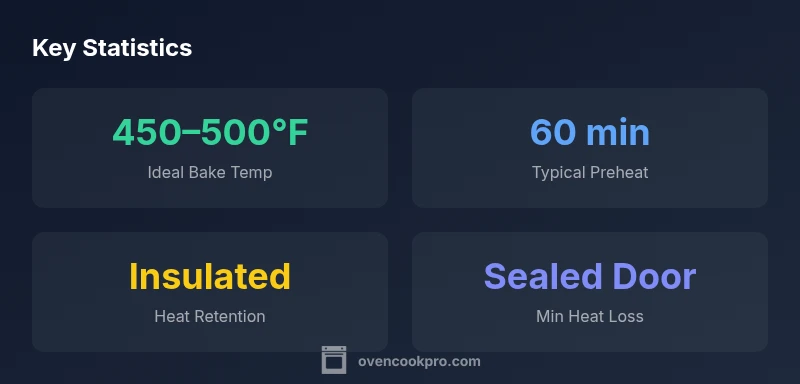
Pizza oven specs determine bake quality by temperature range, heat retention, insulation, and door design. According to Oven Cook Pro, a model that can reach 450–500°F and hold heat steadily typically yields crisper crusts and uniform doneness. This quick guide highlights the key specs to compare and how to translate them into real-world pizza performance.
Why pizza oven specs matter
For home pizza lovers, the oven is more than a heat source—it's a tool that shapes crust texture, chew, and char. The key specs determine how heat moves through the dough and how quickly you can repeat results. According to Oven Cook Pro, the most impactful specs are temperature range, heat retention, insulation efficiency, and door sealing. A unit that can reach and hold a hot range reduces cold spots and uneven bake, enabling consistent results across different dough hydration levels and toppings. The Oven Cook Pro Team found that even small improvements in insulation, door gasket fit, and airflow can translate into a noticeably better crust.
Key specs to compare
When evaluating pizza ovens, focus on four core specs: temperature range, heat retention, insulation, and door design. A stable 450–500°F range is a common target for classic Neapolitan-style pies, while higher-end outdoor ovens push toward 700°F and beyond for ultra-charred edges. Insulation quality determines how quickly the oven reaches temperature and how well it preserves heat during baking. A tight door seal minimizes heat loss during the bake, which reduces hot spots and under-baked spots. Stone decks typically retain heat longer than thin stainless steel, influencing bottom crust texture. Fuel type—gas, wood, or electricity—also governs preheat dynamics, smoke flavor, and cost of operation.
Reading a spec sheet like a pro
A spec sheet usually lists temperature range, heat-up time, heat retention, insulation, and door features. Start by locating the upper and lower temperature limits; compare models that sit within your target range. Next, evaluate heat retention—the ability to maintain a stable temperature during bake. Insulation and an airtight door are often the easiest way to shave minutes off preheat times and improve consistency. Finally, consider accessories like stones or steels, and whether the oven supports both indoor and outdoor use.
Practical setup tips for consistent pizzas
Preheating is crucial. For best results with a stone deck, preheat the oven and stone together for at least 30–60 minutes, depending on the stone thickness and oven type. Use a proper pizza stone or steel to maximize heat transfer, and rotate pizzas halfway through bake to account for uneven heat distribution. Position the oven away from drafts, and ensure proper ventilation if using outdoor units. Regular cleaning and seal checks help maintain performance over time.
Trade-offs and decision scenarios
If space and budget are limited, a compact indoor pizza oven with solid insulation can deliver reliable results at moderate temps. For true Neapolitan-style pies with blistered cornicione, prioritize a high-temp outdoor unit with excellent heat retention and a capable fuel system. Weigh maintenance needs and operating costs against performance gains to choose the best fit for your kitchen or patio.
Common oven types and their relative specs
| Oven Type | Temperature Range | Heat Retention | Fuel/Power |
|---|---|---|---|
| Conventional Home Oven | 350–550°F | Medium | Electric/Gas |
| Indoor Dedicated Pizza Oven | 450–600°F | High | Gas/Electric |
| Outdoor Pizza Oven | 500–750°F | Very High | Wood Pellet / Gas |
Questions & Answers
What is the ideal temperature range for baking a home pizza?
Most high-quality home pizzas bake best around 450–500°F. Use this as a target when comparing ovens, but adjust for crust thickness and toppings. This range helps balance crust texture with toppings and moisture content.
Aim for around four hundred fifty to five hundred degrees for a good crust.
Does insulation affect pizza crust quality?
Yes, good insulation reduces heat loss and shortens preheat time, leading to more even bake. Poor insulation can cause hotspots and longer bake times.
Yes—better insulation keeps heat steady, so your crust bakes evenly.
Stone versus steel deck: which is better for pizza?
A stone deck retains heat and helps develop a crisp bottom; steel heats quickly but often benefits from a supporting stone or steel deck.
Stone helps crust, steel heats fast.
Can a regular kitchen oven compete with a dedicated pizza oven?
You can bake pizza in a regular oven, but dedicated pizza ovens reach higher temps and stabilize heat, yielding more authentic results. For best outcomes, use a pizza stone and proper preheating.
You can, but dedicated pizza ovens usually bake better.
What maintenance matters most for pizza oven specs?
Regular cleaning, seal maintenance, and vent checks keep heat efficient and bake consistent.
Keep the door seal tight and vents clean.
“Pizza oven specs matter because heat stability drives crust texture and even bake. Prioritize temperature range, insulation, and door sealing to unlock consistent results.”
Main Points
- Prioritize stable heat (450–500°F) for classic pizzas
- Good insulation reduces preheat time and heat loss
- Door sealing is critical for bake consistency
- Stone decks foster crisp bottoms; steel decks heat quickly
- Outdoor setups offer higher max temps but require space and weather considerations